Environment
Arunachal: 69 ex-civil servants seek scrapping of Demwe dam amid Siang protests
Appeal flags ecological risks and flawed wildlife clearances as opposition to mega hydropower projects intensifies in state
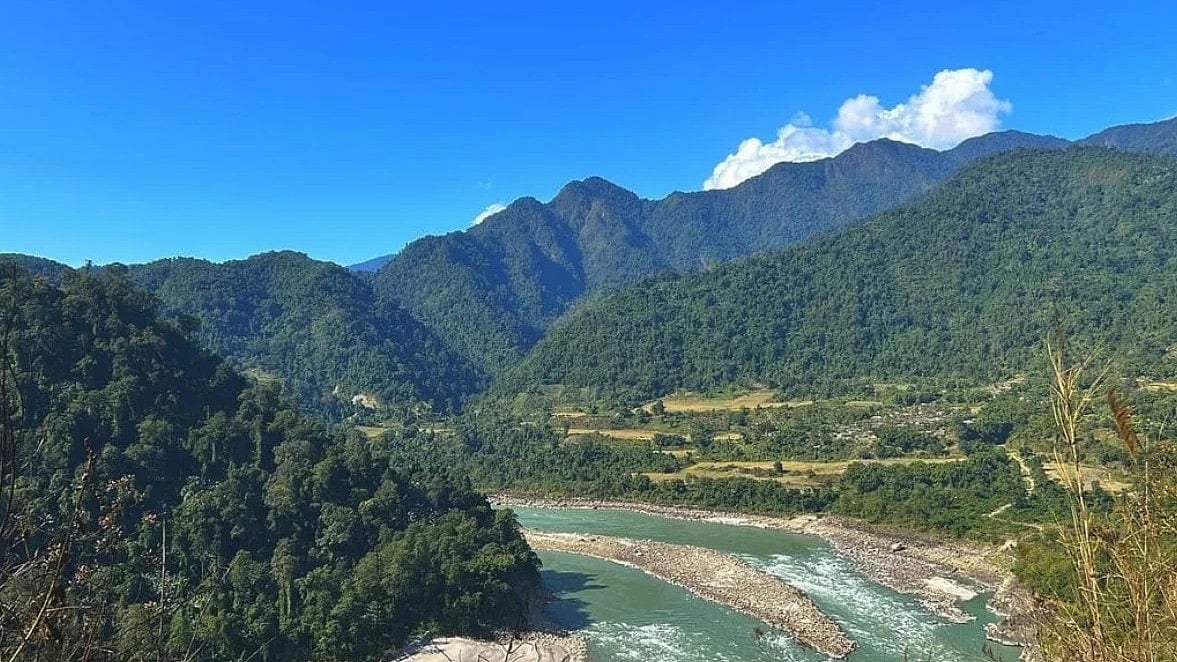
As protests against the proposed Siang Upper Multipurpose Project continue in Arunachal Pradesh, 69 former civil servants have urged the Centre and the state government to scrap the 1,750-MW Demwe Lower Hydroelectric Project on the Lohit river, citing ecological concerns, flawed wildlife clearances and sustained opposition from local communities.
In a letter dated 23 November, the Constitutional Conduct Group (CCG), a collective of former all-India and Central services officers, called for the project to be abandoned, warning of extensive forest loss, threats to endangered wildlife and downstream ecosystems, and the erosion of safeguards governing environmental clearances.
The intervention comes amid mounting tensions over hydropower development in the state, where protests against the proposed 11,200-MW Siang Upper Multipurpose Project have brought questions of tribal rights, community consent, displacement and the state's handling of dissent to the fore.
The Demwe Lower project, proposed as a concrete gravity dam across the Lohit river, would require the diversion of 1,416 hectares of forest land, submerge approximately 1,590 hectares and entail the felling of around 43,000 trees, according to the letter.
The signatories warned that the project could have serious consequences for the region's fragile rainforest ecosystem and wildlife, including the critically endangered white-bellied heron. They also flagged potential damage to downstream habitats, riverine ecosystems and wildlife corridors linking Kamlang, Namdapha and the proposed Dibang Tiger Reserve.
The letter further questioned the project's wildlife clearance process, alleging that expert objections had been overridden and subsequent reviews had failed to adequately comply with directions issued by the National Green Tribunal (NGT).
The project has had a chequered clearance history. The letter recounts how the Standing Committee of the National Board for Wildlife (SC-NBWL) considered the proposal in 2011, with its non-official expert members opposing it over downstream ecological risks. The signatories allege that wildlife clearance was subsequently granted despite these objections.
In 2017, the NGT suspended the project's approvals and directed a fresh consideration of the proposal, including its cumulative downstream impact. However, the CCG alleges that subsequent reviews did not adequately meet the tribunal's requirements and relied on outdated ecological assessments.
The former civil servants also raised concerns about the composition of the wildlife committee, arguing that the reduction in independent experts has weakened institutional scrutiny of projects in ecologically sensitive areas. They called for the Standing Committee to be reconstituted with a majority of independent, non-government experts.
Siang protests continue
The appeal comes as resistance to the Siang Upper Multipurpose Project continues, with indigenous organisations opposing preliminary survey and drilling work for the proposed mega dam.
The 11,200-MW project, which the government has pitched partly as a strategic response to China's proposed hydropower development upstream, has faced opposition from communities concerned about displacement, loss of ancestral land, livelihoods and the ecological impact of altering the Siang river.
Tensions escalated following protests, arrests and violence in the region, with anti-dam groups demanding a halt to survey activities and the withdrawal of security forces. The state government, meanwhile, has initiated village-level consultations in an attempt to break the deadlock, although opposition groups continue to maintain their resistance.
A fresh mass rally has also been called by anti-dam organisations, underscoring that the release of detained activists and government outreach have yet to resolve the underlying dispute.
The Demwe appeal similarly invokes local resistance, alleging that communities have opposed the project for years over its impact on ancestral land, forests, downstream ecosystems and the sacred Parashuram Kund.
The signatories have urged the government to abandon the project and protect the ecological integrity of the region while addressing community concerns instead of confronting protesters.
The two projects are distinct, but the opposition surrounding them highlights the growing contest over Arunachal Pradesh's hydropower ambitions — between the government's energy and strategic priorities and indigenous communities' concerns over their land, rivers, livelihoods and the ecological cost of mega dams.
Join our official telegram channel (@nationalherald) and stay updated with the latest headlines