World
16 killed, 46 injured after 7.0-magnitude quake hits Tibet
Rescue operations continue in northern Tibet after the earthquake damages at least 339 homes
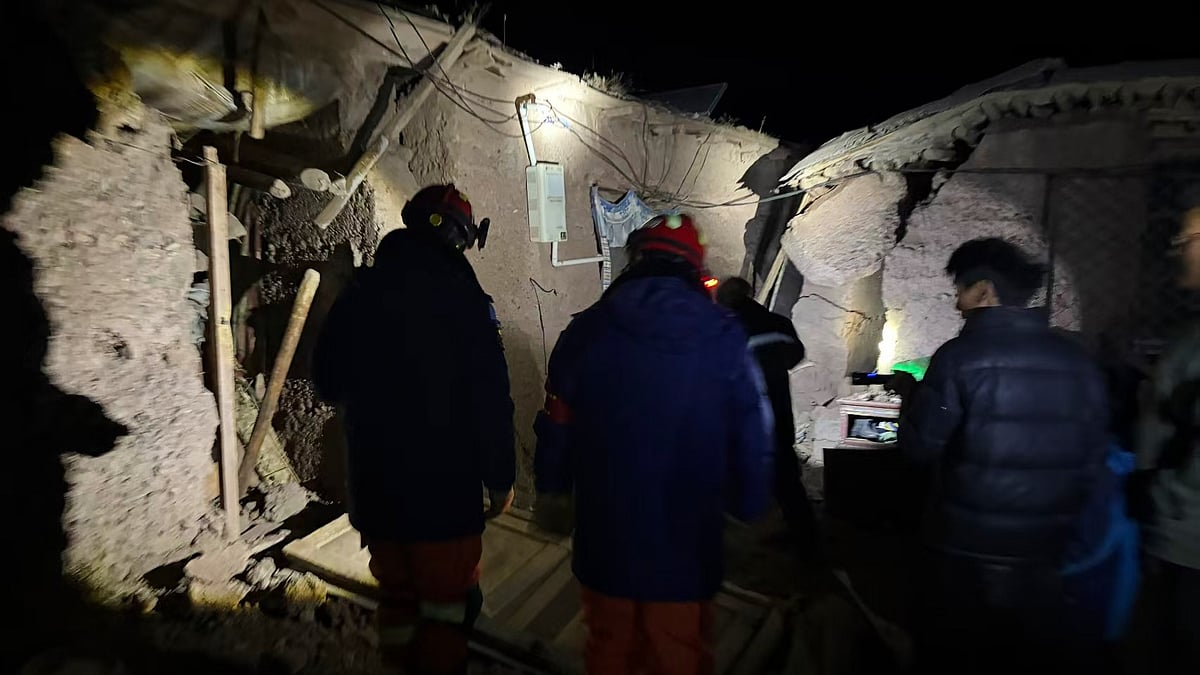
A 7.0-magnitude earthquake in Tibet kills 16 people, injures 46 and damages hundreds of homes
Rescue teams provide aid as power outages, rockfalls and harsh weather hamper operations
Authorities assess damage and provide shelter and supplies amid ongoing seismic risks
At least 16 people have been killed and 46 others injured after a 7.0-magnitude earthquake struck China's Tibet Autonomous Region on Thursday night, 22 October. Emergency teams are working to reach affected communities, rescue survivors and provide medical assistance, while officials continue to assess the damage caused by the tremor.
The earthquake struck Maru township in Baqen County, under Nagqu city in northern Tibet, at around 10:33 pm local time. According to the latest available reports, at least 339 homes have collapsed or sustained damage, while 20 livestock sheds have also been affected.
Of the 46 injured, 11 are reported to be in serious condition, while 35 have sustained minor injuries. Earlier reports had put the number of injured at 32, highlighting how casualty figures have evolved as authorities continue their assessment.
Emergency response teams have been mobilised to assist residents in the earthquake-hit areas. More than 300 police officers have been dispatched to the epicentre, while the regional fire and rescue corps has deployed 347 personnel for search-and-rescue and relief operations, according to reports by Xinhua news agency.
More than 1,600 personnel have reportedly been involved in the wider emergency response. Relief supplies, including tents, temporary accommodation units, folding beds, flashlights and winter clothing, are being distributed to support affected residents.
The earthquake has also disrupted electricity and telecommunications services in some areas. Rockfalls have prompted traffic restrictions on sections of National Highway 317, making access to certain locations more difficult. Railway operations have also faced restrictions as authorities carry out safety inspections.
The region's remote terrain, high altitude and cold weather conditions are adding to the challenges faced by rescue workers. Falling temperatures and the possibility of snowfall have increased concerns about the need for emergency shelter and supplies for displaced families.
The United States Geological Survey (USGS) placed the epicentre around 191 kilometres east-northeast of Nagqu and approximately 390 kilometres northeast of Lhasa, Tibet's regional capital. The agency estimated the earthquake's depth at around 18 kilometres, while Chinese seismic authorities reported a depth of approximately 10 kilometres.
Differences in reported depth reflect separate assessments by seismic monitoring agencies. The earthquake was followed by several aftershocks, some of which reportedly exceeded magnitude 4, prompting continued monitoring of the affected region.
Authorities are inspecting damaged buildings and infrastructure while coordinating rescue efforts and assessing the needs of communities affected by the tremor.
The latest earthquake has renewed attention on the seismic risks facing the Himalayan region, which experiences frequent earthquakes due to the ongoing collision of the Indian and Eurasian tectonic plates.
In January 2025, a magnitude 6.8 earthquake struck Tingri County in southern Tibet, killing at least 126 people and injuring 188 others, according to official figures. The disaster damaged thousands of homes and triggered extensive rescue and relief operations.
The latest tremor again highlights the vulnerability of communities in remote mountainous areas, where difficult terrain, limited access to emergency services and vulnerable buildings can increase the impact of natural disasters.
Scientists have also expressed concern about the broader environmental changes affecting the Qinghai-Tibet Plateau, including rising temperatures, glacier retreat and increasingly extreme weather events. However, these changes should not be directly linked to individual earthquakes without supporting scientific evidence, as earthquakes in the region are primarily driven by tectonic processes.
Rescue and relief operations remain underway as authorities work to reach affected settlements, provide essential supplies and determine the full extent of the damage. Emergency teams are also assessing infrastructure and arranging temporary accommodation for residents whose homes have been destroyed or rendered unsafe.
The death toll, injury figures and damage estimates could change as more information becomes available from remote areas.
The immediate priority remains locating anyone who may be trapped, treating the injured and ensuring that affected families have access to shelter, food, medical care and other essential services.
With agency inputs
Join our official telegram channel (@nationalherald) and stay updated with the latest headlines