World
Almost 700 dead across SE Asia as Indonesia, Thailand, Malaysia reel from devastating floods
Record-breaking rain, landslides and extreme weather underscore climate risks as restoration efforts intensify
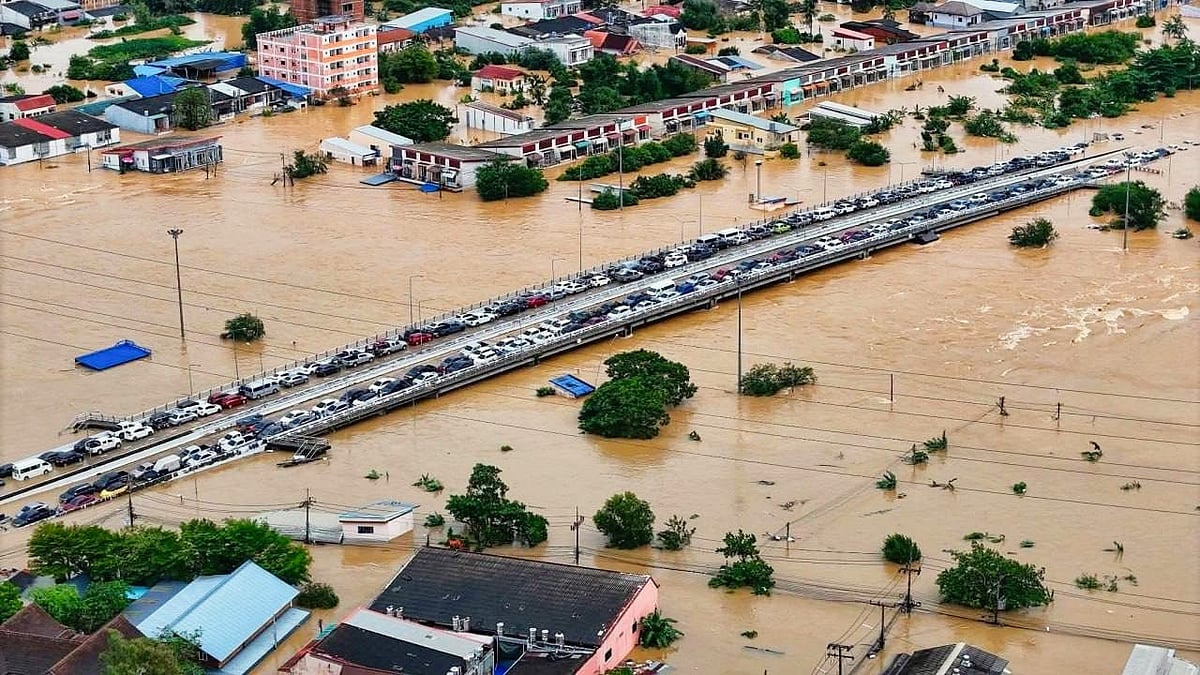
Widespread flooding and landslides across Indonesia, Thailand and Malaysia have killed at least 681 people and displaced millions, according to official figures released on Monday, marking one of Southeast Asia’s deadliest climate-linked disasters in recent years.
Indonesia has borne the brunt of the catastrophe, reporting 502 deaths, 508 missing, and damage to more than 28,000 homes, with 1.4 million people affected. Under unexpectedly clear skies in Palembayan, West Sumatra, residents slogged through knee-deep mud, clearing debris amid scenes of wrecked homes and mangled infrastructure.
Camouflage-clad responders searched heaps of twisted sheet metal, concrete and uprooted trees, while pickup trucks transported desperate families looking for missing relatives. Many tried to salvage identity documents, motorcycles and household valuables from the sludge.
President Prabowo Subianto, who visited the three worst-hit provinces, praised survivors’ courage, calling the situation a “catastrophe” but lauding Indonesians for meeting it with “resilience and solidarity.”
He added, “There are roads that are still cut off, but we're doing everything we can to overcome difficulties… Our nation is strong right now, able to overcome this.”
Relief operations are now focused on restoring roads, bridges and telecommunications, which remain disrupted across several districts.
Thailand: Record rainfall and mass evacuations
Thailand’s death toll climbed to 176, with catastrophic flooding affecting eight southern provinces and three million people. The military has launched a major mobilisation, especially to evacuate critical hospital patients and stranded residents.
The southern hub of Hat Yai remains ground zero for Thailand’s emergency response. The city recorded 335 mm of rain in a single day on November 21 — its heaviest in 300 years — followed by relentless downpours that submerged large parts of the city.
In Songkhla province, where 138 deaths occurred, authorities say 85 per cent of water services have been restored, with full restoration expected by Wednesday. Prime Minister Anutin Charnvirakul has directed that residents should be able to return home within seven days.
Meanwhile, Malaysia reported three deaths, while 11,600 people remain in evacuation centres as authorities brace for potential second and third waves of flooding, according to the national disaster agency.
Extreme weather driven by climate change
The devastation follows months of severe weather across Southeast Asia, including typhoons in the Philippines and Vietnam and persistent floods across the region.
Scientists have repeatedly warned that global warming is making extreme rainfall events more intense and frequent, heightening risks in low-lying and densely populated regions.
As recovery operations continue, officials across the three nations say the scale of destruction underscores the urgent need for improved climate resilience, early warning systems and long-term adaptation measures in Southeast Asia — one of the world’s most climate-vulnerable regions.
Join our official telegram channel (@nationalherald) and stay updated with the latest headlines