World
Bangladesh polls: TikTok, Facebook, YouTube emerge as key battlegrounds
With nearly three-quarters online and over 40% of voters aged 18–37, digital narratives could shape Bangladesh’s political future
A pulsating song, rich with rural imagery and rhythmic urgency, has swept across Bangladesh’s social media feeds, its lyrics seemingly nostalgic but its message unmistakably political.
“The days of the boat, the sheaf of paddy and the plough have ended; the scales will now build Bangladesh,” the song proclaims — a pointed rejection of the symbols of parties that have long dominated the country’s politics.
Behind the viral tune lies an unmistakable allegiance: support for Jamaat-e-Islami, whose election symbol is the scales. The boat represents the Awami League of former prime minister Sheikh Hasina, toppled by a student-led uprising in August 2024; the sheaf of paddy belongs to the Bangladesh Nationalist Party (BNP); and the plough to the Jatiya Party, a former Awami League ally.
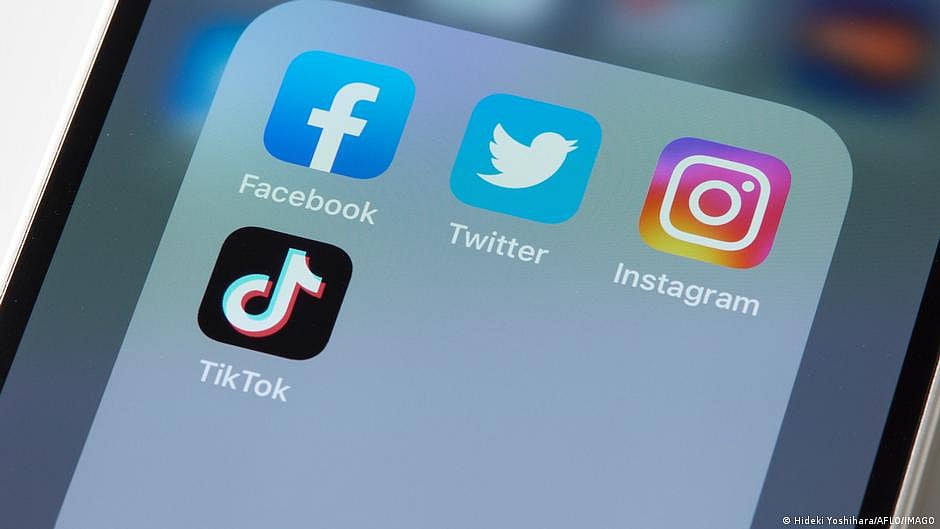
As Bangladesh heads towards elections on 12 February — widely seen as a straight contest between the BNP and a Jamaat-led alliance — political battle lines have been drawn not just on the streets but across TikTok, Facebook, YouTube and Instagram, the Al Jazeera reported.
While on-the-ground campaigning begins on 22 January, the digital war for hearts and minds, particularly among Gen Z voters who helped bring down Hasina’s government, has been raging for months.
The runaway popularity of the pro-Jamaat song triggered a musical arms race. The BNP responded with its own anthem emphasising people over power and country over party, while the student-led National Citizen Party (NCP), born out of the 2024 protests, also launched a song that found wide online traction.
But music is only one strand of an expansive digital push. Short videos, emotive interviews, memes, satire and policy explainers now flood social platforms, reflecting a political reality where online reach rivals — and often surpasses — mass rallies.
This year’s online contest carries stakes beyond parliamentary seats. Voters will also decide in a referendum on the July National Charter, a sweeping reform package championed by interim prime minister and Nobel laureate Muhammad Yunus, aimed at curbing executive power, strengthening democratic institutions and preventing a return to authoritarian rule.
With nearly three-quarters of Bangladesh’s population online and over 40 per cent of voters aged between 18 and 37, analysts say digital narratives could shape the country’s political future. As one campaigner put it, while offline mobilisation still matters most, it is online that conversations begin — and elections may be won or lost.
Join our official telegram channel (@nationalherald) and stay updated with the latest headlines