World
China and Pakistan propose five-point plan to de-escalate West Asia tensions
Joint initiative calls for ceasefire, renewed diplomacy and secure shipping routes through Strait of Hormuz
China and Pakistan have jointly unveiled a five-point proposal aimed at de-escalating tensions in West Asia, urging an immediate halt to hostilities and the resumption of diplomatic efforts to restore stability in the Gulf region.
The proposal emerged following talks in Beijing between Chinese Foreign Minister Wang Yi and Pakistan’s deputy prime minister and foreign minister Ishaq Dar, who visited the Chinese capital for discussions on the evolving regional situation.
During the meeting, both sides reviewed developments in the Gulf and wider West Asia. Dar briefed his Chinese counterpart on recent diplomatic engagements with counterparts from Turkiye, Egypt and Saudi Arabia, which were focused on encouraging dialogue between the United States and Iran.
In a joint statement issued after the talks, Beijing and Islamabad called for an immediate ceasefire and emphasised the need to prevent the conflict from widening. They also urged that humanitarian assistance be allowed to reach all affected areas without obstruction.
The proposal stresses the importance of initiating peace negotiations at the earliest opportunity, underscoring that dialogue and diplomacy remain the only viable path to resolving the crisis. It also highlights the need to respect the sovereignty, territorial integrity and security of countries in the region, including Iran and Gulf states.
Both countries further called for strict adherence to international humanitarian law, urging all parties to refrain from targeting civilians and non-military infrastructure. This includes critical facilities such as energy installations, desalination plants and nuclear power sites.
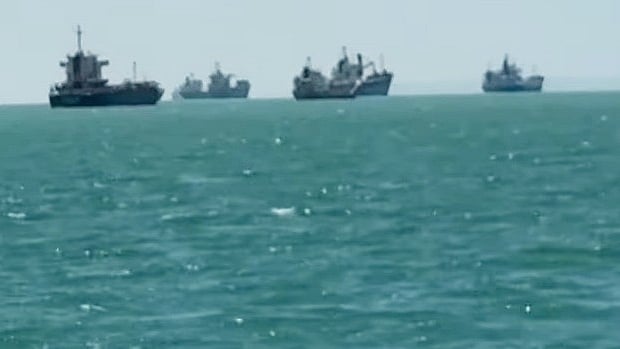
A key component of the proposal focuses on safeguarding maritime security, particularly in the Strait of Hormuz — a vital global artery for energy supplies and trade. China and Pakistan called for the protection of vessels and crew operating in the area and urged the swift restoration of normal shipping operations.
The two nations also reaffirmed the importance of upholding the United Nations Charter as the foundation for resolving international disputes and maintaining global peace.
The initiative comes amid heightened tensions in the region, with concerns over disruptions to global oil supplies and shipping routes. China, a major importer of Iranian oil, has repeatedly called for restraint and the uninterrupted functioning of the Strait of Hormuz.
Chinese officials recently confirmed that several of the country’s oil shipments had safely transited the waterway following coordination with relevant parties, reflecting ongoing diplomatic engagement behind the scenes.
As geopolitical uncertainties persist, the joint proposal signals a renewed push by Beijing and Islamabad to position diplomacy at the centre of efforts to stabilise the region.
With PTI inputs
Join our official telegram channel (@nationalherald) and stay updated with the latest headlines