World
Death toll in Nepal's Himlung Himal avalanche rises to 7
Three more bodies recovered as 14-member rescue team resumes search for workers and guides buried at mountain base camp
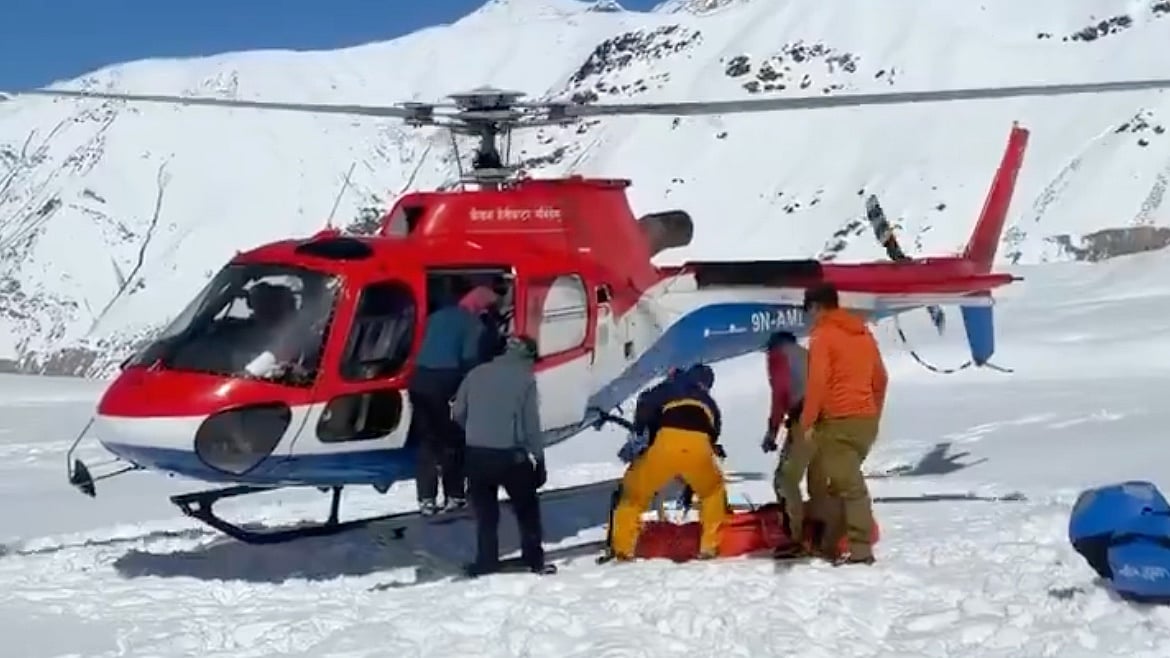
Himlung Himal avalanche: toll rises to 7; nine Nepalese workers and guides still missing
Three more bodies recovered on Wednesday after bad weather hampered Tuesday’s rescue effort
Avalanche struck base camp amid heavy rain and snowfall; Nepal still reeling from August flash floods
Three more bodies were recovered from Nepal’s Himlung Himal peak on Wednesday, 30 September, taking the death toll from Sunday’s avalanche to seven, with nine people still missing.
The avalanche struck the base camp of the 7,126-metre Himlung Himal in the Nar Phu area of Manang district, burying tents where 16 people, including mountain guides and support staff, had been sheltering.
Officials said all seven bodies recovered so far were of Nepalese nationals, as were the nine people still missing.
Rescue operations were hampered by bad weather on Tuesday but resumed on Wednesday, with teams recovering three more bodies.
A 14-member rescue team has been deployed to search for the missing workers and guides, who provide logistical and other support to climbing expeditions.
Around two dozen Nepali high-altitude workers and guides from Himalayan Holidays and Imagine Nepal Trek and Expedition had travelled from Kathmandu to Himlung Himal about two weeks ago to prepare for the climbing season.
They had been working on the climbing route and preparing the base camp when the avalanche struck on Sunday.
Nepal’s mountain regions are facing a succession of weather-related disasters this year, with heavy rainfall, flash floods, landslides and avalanches disrupting communities and damaging infrastructure. The repeated events have also exposed the vulnerability of settlements and mountain routes to increasingly volatile weather conditions.
Scientists and environmental experts have warned that rising temperatures are accelerating the melting of glaciers and destabilising high-altitude terrain across the Himalayas, increasing the risks from glacial lake outbursts, landslides and other hazards. Changes in snowfall and rainfall patterns are also complicating conditions for mountaineering and communities dependent on the mountains.
The disaster comes as Nepal continues to recover from devastating flash floods in August that killed more than 1,450 people and left around 5,000 missing.
With PTI inputs
Join our official telegram channel (@nationalherald) and stay updated with the latest headlines