World
Donald Trump extends ceasefire but orders blockade to continue
US blockade of Hormuz and Iranian ports to hit trade and oil output, says Bessent; Iran warns it may break blockade by force
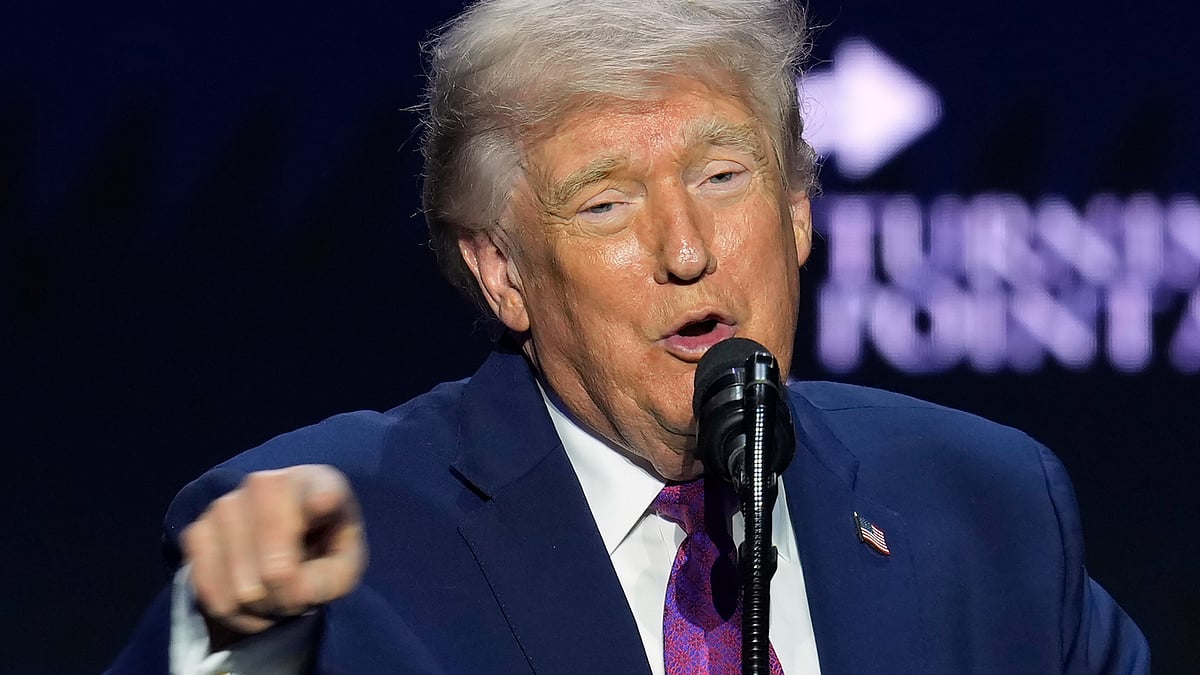
US President Donald Trump on Tuesday (2:27 am Wednesday IST) stepped back from a likely resumption of conflict in the Persian Gulf, announcing an extension of the ceasefire on Truth Social.
Hours earlier, Iran’s foreign minister Seyed Abbas Araghchi had warned that blockading Iranian ports amounts to an act of war and violates the ceasefire, adding that Iran can defend its interests and counter such actions.
“Based on the fact that the Government of Iran is seriously fractured, not unexpectedly so and, upon the request of field marshal Asim Munir, and Prime Minister Shehbaz Sharif, of Pakistan, we have been asked to hold our Attack on the Country of Iran until such time as their leaders and representatives can come up with a unified proposal. I have therefore directed our military to continue the Blockade and, in all other respects, remain ready and able, and will therefore extend the Ceasefire until such time as their proposal is submitted, and discussions are concluded, one way or the other”, the US president’s post read.
Pakistan’s prime minister Shehbaz Sharif followed up by thanking Trump and posting, “On my personal behalf and on behalf of Field Marshal Syed Asim Munir, I sincerely thank President Trump for graciously accepting our request to extend the ceasefire to allow ongoing diplomatic efforts to take their course. With the trust and confidence reposed in, Pakistan shall continue its earnest efforts for negotiated settlement of conflict. I sincerely hope that both sides will continue to observe the ceasefire and be able to conclude a comprehensive ‘Peace Deal’ during the second round of talks scheduled at Islamabad for a permanent end to the conflict.”
Iran-born Swedish writer and activist Trita Parsi, known for his expertise on US-Iran relations reacted by saying, “Trump caves and agrees to extend the ceasefire, while presenting it as a function of the Iranian government being in disarray. Very importantly, he is also extending the ceasefire INDEFINITELY, which reflects the outcome I have argued is the most likely: No deal, no sanctions relief, no nuclear compromise, no return to
war, while Iran continues to control the Strait. Not a stable situation, but one in which Trump pockets the central thing he sought - exiting the war - while Iran is bereft of the main thing it was looking for: Sanctions lifting”.
Not all analysts agree with the assessment that Trump has climbed down. They believe by extending the ceasefire but continuing with the blockade, Trump has denied Iran the advantage they enjoyed till now during negotiations.
Trump has achieved the off-ramp he was looking for by walking away from the war and leaving it to Iran to break the ceasefire and the blockade. He has also denied Iran the ‘long war’ it wanted and has forced the Gulf nations to negotiate with Iran and put enough pressure on Iran to open the Strait of Hormuz. The ceasefire still remains fragile and can break at any time but the US and Trump get some breathing time while keeping a chokehold on Iran, they think.
The former director at the US counterterrorism centre who resigned in March protesting Trump’s war on Iran, Joe Kent, concurred. “This is a good move — it buys us time. It’s essential that we use it wisely. Acknowledge that under current conditions, there are no military solutions and a true settlement is unlikely. Follow the Reagan-in-’84 model: pull our forces out of the region, let our Gulf allies negotiate to reopen the SOH, and refocus on the issues at home and winning the next election, like Reagan did. This is the opposite of what Israel wants us to do. To prevent Israel from pulling us deeper into this war, we must impose real restraint by limiting military aid to Israel.”
Join our official telegram channel (@nationalherald) and stay updated with the latest headlines