World
Trump faces backlash over Russia oil deal as Graham Act deadline nears
Kremlin envoy Kirill Dmitriev defends the deal, arguing it could lower diesel prices, while several US lawmakers demand its reversal
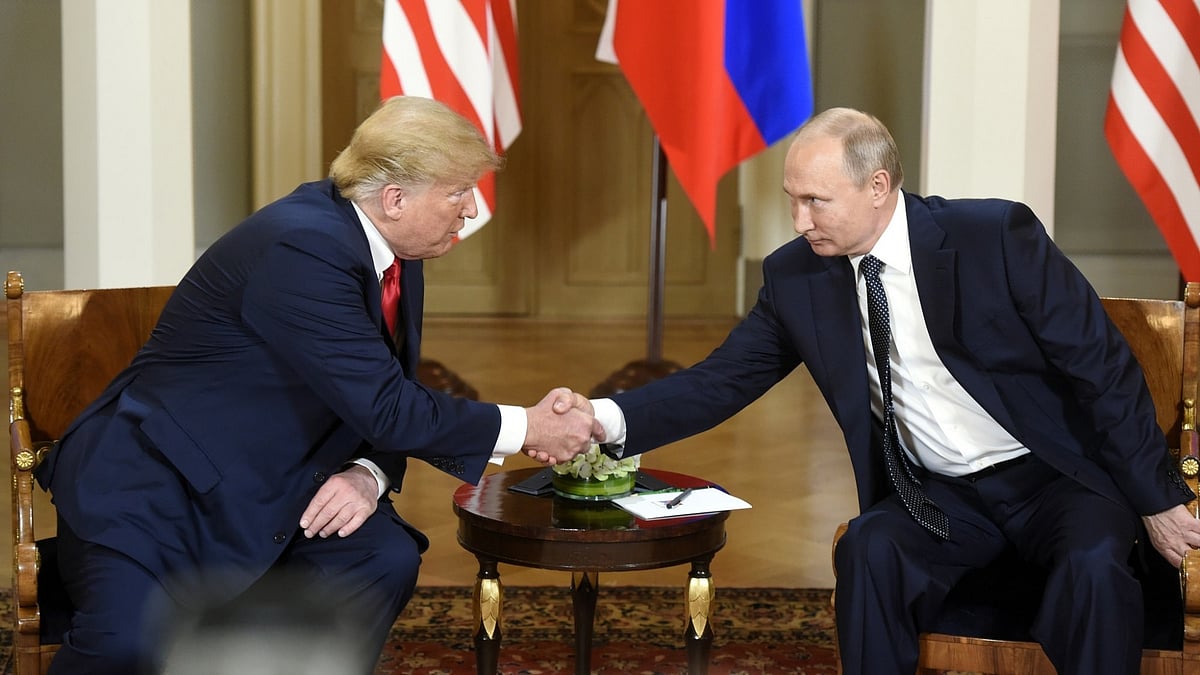
Indian-American Congressman Raja Krishnamoorthi accused Trump’s Russian diesel deal of funding Putin’s war effort without significantly lowering US fuel prices
Kremlin envoy Kirill Dmitriev argued that the agreement could reduce diesel prices, while several US lawmakers demanded its reversal
An 18 October sanctions deadline could lead to tariffs of up to 100 per cent on imports from countries meeting specified criteria for continued Russian energy purchases
Indian-American Congressman Raja Krishnamoorthi has intensified his criticism of US President Donald Trump’s decision to allow transactions involving Russian-origin diesel, accusing the administration of helping finance Russian President Vladimir Putin’s war effort while failing to provide meaningful relief to American consumers facing high fuel prices.
The criticism comes days before the 18 October deadline under the Lindsey O. Graham Sanctioning Russia and Iran Act of 2026, which could pave the way for steep tariffs on countries that continue purchasing Russian oil and natural gas under specified conditions, including major buyers such as India and China.
In a post on X on Wednesday, Krishnamoorthi, a Democrat representing Illinois, accused Trump of pursuing contradictory policies toward Russia and Ukraine.
“Trump started an illegal war with Iran that sent fuel prices soaring. Now he's rewarding Putin with a Russian diesel deal while pressuring Ukraine to stop striking Russian oil facilities,” he wrote.
“Putin gets billions. Ukraine gets more Russian attacks. Americans get stuck with the bill,” he added.
In a subsequent post, the congressman argued that the agreement would provide financial support to Moscow without delivering significant benefits to American consumers.
The deal, he said, “would help bankroll Putin's war machine without meaningfully lowering fuel prices for Americans”.
“It's illegal, ineffective, and no substitute for ending Trump's Iran war,” Krishnamoorthi wrote.
Kremlin envoy Kirill Dmitriev, who serves as Russian President Vladimir Putin's special representative for investment and economic cooperation, defended the arrangement, arguing that access to affordable energy should take priority.
“All pragmatic world leaders who care about their people want affordable diesel, gas and oil, including from Russia,” Dmitriev wrote on X.
In another post, Dmitriev criticised The Economist for allegedly overlooking the deal's benefits. He cited what he described as a 5 per cent decline in diesel prices following the agreement, arguing that the reduction benefited American farmers, consumers and energy markets.
However, he did not explain how the figure was calculated or specify the period over which the reported decline occurred.
The competing claims have intensified the debate over whether allowing Russian diesel transactions can ease US energy costs or primarily benefit Moscow by sustaining revenue from its energy exports.
Krishnamoorthi is not the only US lawmaker opposing the administration's approach. Several Democratic members of Congress have also warned that easing restrictions on Russian energy could undermine Washington's support for Ukraine and weaken economic pressure on the Kremlin.
Senator Richard Blumenthal, a Democrat from Connecticut, said he was leading 12 colleagues in demanding that Trump reverse the decision.
“It betrays American security interests & brave Ukrainians fighting Putin's bloody slaughter,” Blumenthal wrote on X.
Representative James Clyburn of South Carolina also criticised the move, arguing that easing sanctions on Russian diesel would have little impact on US fuel prices while providing additional revenue to Russia.
Representative Greg Stanton of Arizona described the plan as “likely illegal and unlikely to lower prices”. He also warned that the arrangement could funnel billions of dollars into the Russian economy.
Representative Mike Levin of California called the deal “a lifeline for Russia's war machine”, citing a New York Times estimate that approximately $4 billion in American money could flow into Russia's economy.
The lawmakers' objections centre on the potential consequences for US foreign policy, particularly Washington's efforts to constrain Russia's ability to finance its war against Ukraine.
The US Treasury Department's Office of Foreign Assets Control issued General License 135 on Friday, authorising certain transactions involving Russian-origin diesel through April 2027.
The authorisation has become a focal point of the dispute, with critics questioning whether permitting such transactions is consistent with the administration's broader sanctions policy toward Russia.
Opponents argue that continued purchases of Russian energy could provide Moscow with an important source of revenue despite international efforts to restrict its economic resources.
Supporters of the arrangement, meanwhile, argue that access to Russian energy supplies could help maintain affordability and stability in global fuel markets.
The debate also raises questions about the extent to which additional Russian diesel supplies would translate into lower prices for American households and businesses.
The controversy comes ahead of the 18 October deadline under the Lindsey O. Graham Sanctioning Russia and Iran Act of 2026.
Section 113 of the legislation requires the President to raise duties to “up to 100 per cent” on goods imported from countries that meet specified criteria, including being among the five largest importers of Russian crude oil or natural gas and knowingly making new purchases after the deadline.
The law also allows the President to waive the duties by certifying to Congress that a waiver is in the national interest.
India and China, both major purchasers of Russian energy, could face heightened scrutiny under the law. However, the precise application of the provisions will depend on the statutory criteria and the administration's implementation decisions.
The Trump administration has not publicly clarified how it intends to apply the legislation or whether it will grant any exemptions.
New Delhi has consistently defended its purchases of Russian oil, arguing that its energy procurement decisions are guided by national interests, market conditions and the need to secure affordable supplies for its large population.
India has also maintained that it faces different expectations from Western countries that continue to engage in trade with Russia while criticising other nations for purchasing Russian energy.
As the 18 October deadline approaches, the dispute over Russian diesel is becoming part of a wider debate over sanctions enforcement, energy prices and the economic consequences of continued trade with Moscow.
The outcome could have implications not only for US-Russia relations but also for major energy-importing countries such as India and China, which face uncertainty over how Washington will use tariffs and sanctions to influence purchases of Russian oil and gas.
With IANS inputs
Join our official telegram channel (@nationalherald) and stay updated with the latest headlines