World
Donald Trump pauses Iran strike amid diplomatic push by Gulf nations
US president directs defence secretary and top military commanders to stay ready for a “full-scale assault” if talks with Iran collapse
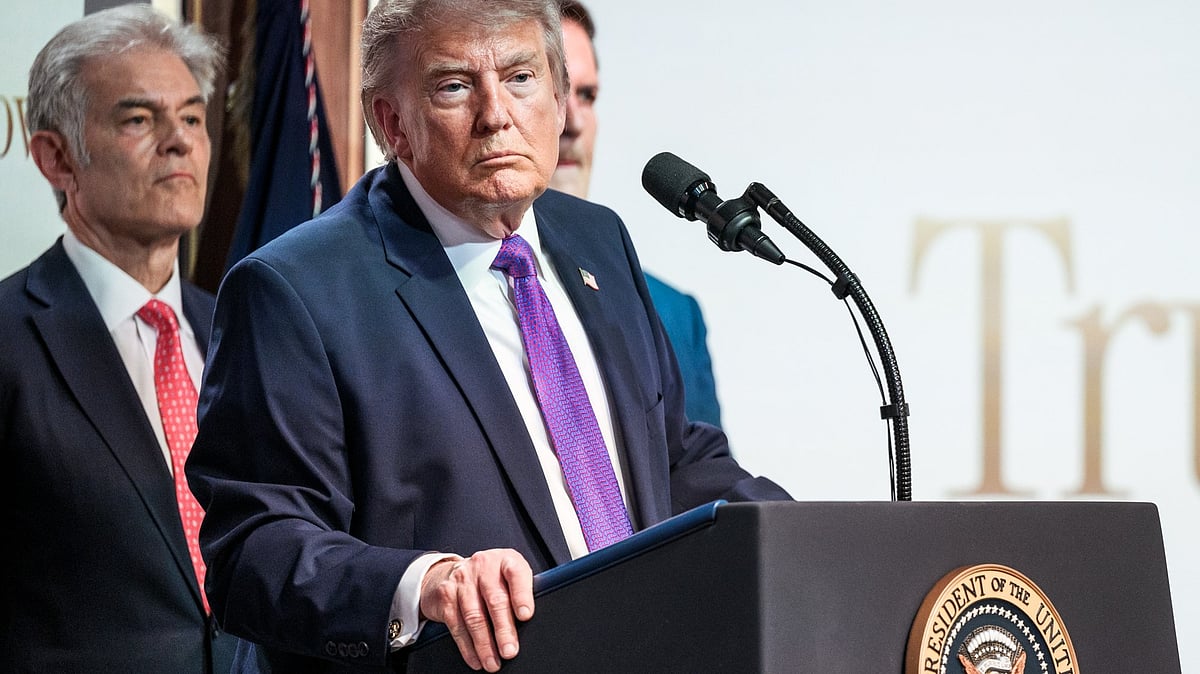
US President Donald Trump said he postponed a planned military strike on Iran after urgent appeals from Gulf leaders seeking more time for diplomacy, raising hopes of a possible breakthrough in high-stakes negotiations over Tehran’s nuclear programme.
Speaking at a White House healthcare event, Trump revealed that the United States had been prepared to launch a “very major attack” on Iran as early as Tuesday but agreed to delay action following requests from leaders in Saudi Arabia, Qatar and the United Arab Emirates.
“Well, other countries have come to me and they said we were getting ready to do a very major attack tomorrow,” Trump told reporters. “I've put it off for a little while, hopefully, maybe forever.”
The US president said Gulf nations believed negotiations with Tehran were “getting very close to making a deal” and had urged Washington to pause military action for a few days to give diplomacy a final chance.
“I was asked by Saudi Arabia, Qatar, UAE and some others if we could put it off for two or three days, a short period of time, because they think that they are getting very close to making a deal,” Trump said.
“If we can do that where there's no nuclear weapon going into the hands of Iran, I think, and if they're satisfied, we will be probably satisfied also,” he added.
Trump stressed, however, that the military option remained firmly on the table if negotiations failed.
“We cannot let Iran have a nuclear weapon,” he said. “If we can do that without bombing the hell out of them I'd be very happy.”
He also claimed recent US operations had crippled Iran’s military leadership and capabilities.
“We've totally destroyed their military,” Trump said. “Their leaders are gone at the first level.”
According to reports by Axios, Trump has directed defence secretary Pete Hegseth and top military commanders to remain prepared for a “full-scale assault” should talks with Tehran collapse.
The latest developments come after months of rising tensions between Washington and Tehran over Iran’s nuclear activities and its role in regional conflicts. Gulf countries, several of which host major American military bases, have increasingly warned that a wider confrontation could destabilise West Asia and disrupt global energy markets.
With IANS inputs
Join our official telegram channel (@nationalherald) and stay updated with the latest headlines