World
Doubts and distrust over Islamabad talks as Strait of Hormuz is mined
Although Iran’s ambassador to Pakistan briefly indicated the delegation would arrive on Thursday night before deleting his post, reports suggest the talks may still go ahead
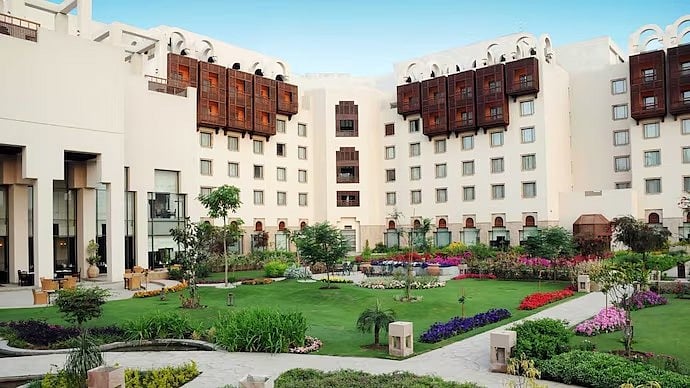
The ‘peace talks’ following the two-week ceasefire brokered by Pakistan is still on schedule, claimed various news outlets on Thursday evening despite growing doubts.
Pakistan has declared a two-day holiday till Friday and Serena Hotel, the venue for the talks, was requisitioned with guests asked to vacate till 12 April. The talks are likely to be led by U.S. Vice President J.D. Vance and the Iranian Speaker of Parliament Mohammad Bagher Ghalibaf, with Pakistan mediating.
Iran’s 10‑point proposal—including demands for withdrawal of sanctions, recognition of Iran and Oman’s control over the Strait of Hormuz, acceptance of a Hormuz transit tax in lieu of reparations are some of the conditions on the table and will likely form the basis of discussions.
Iran however publicly linked its participation in Islamabad talks to an immediate halt in Israeli strikes on Lebanon, making Beirut the decisive variable in whether diplomacy moves forward. The next few hours may determine whether Islamabad becomes a real negotiation track-or collapses before it begins. The strait of Hormuz remains "open," claimed Iran’s foreign ministry spokesman but confirmed that it has been mined, so all ships must use channels that are controlled by Iran until the mines are cleared.
There were no signs till late Thursday of any restraint by Israel, which appeared to be going ahead with its ‘Greater Israel’ project by continuing with both aerial attacks and ground invasion into Lebanon. From Beirut war correspondent Steve Sweeny confirmed that more than 250 people had been killed in Israeli strikes in Beirut and many more are missing under the rubble, children have been orphaned, Israel also bombed a funeral and a cafe, killing several people. Emergency workers and ambulances were targeted, and civilian buildings have been levelled by Israel, he reported, all of which would amount to acts of terrorism.
However, Israel framed its attacks on Lebanon as a military operation aimed at terrorists. The IDF (Israel Defence Forces) continued to bomb South Lebanon and in multiple posts during Thursday afternoon on 9 April, informed that it had ‘eliminated’ “Ali Yusuf Harshi, the personal secretary to Hezbollah Secretary-General Naim Qassem in Beirut; Muhammad Samir Muhammad Washah, a Hamas terrorist operating under the guise of an Al Jazeera journalist; Abd al-Rahman Ammar Hassan Khudari described as ‘a terrorist in the Islamic Jihad terror organization’; Maher Qassem Hamdan, commander of the Lebanese Resistance Brigades in the Chebaa area in southern Lebanon and others.
Meanwhile, pressure is building up on Iranian leaders against abandoning Lebanon and Hezbollah. Large demonstrations were held in Tehran by people who raised slogans in favour of allies and saying that betrayal of Hezbollah would amount to betrayal of Islamic values. President Pezeshkian of Iran declared that “Renewed aggression by the Zionist regime against Lebanon blatantly violates the initial ceasefire. Such actions signal deception and non-compliance, rendering negotiations meaningless. Our hands remain on the trigger. Iran will never forsake its Lebanese brothers and sisters”.
In another tweet posted on X, he declared, “Israel's renewed incursion into Lebanon is a blatant violation of the initial ceasefire agreement. This is a dangerous sign of deception and lack of commitment to potential agreements. The continuation of these actions will render negotiations meaningless. Our fingers remain on the trigger. Iran will never abandon its Lebanese sisters and brothers”.
Iran's Deputy Foreign Minister, Saeed Khatibzadeh told ITV that Iran's delegation will attend peace talks in Islamabad only if Israel stops attacking Lebanon. He reiterated that Lebanon was part of the ceasefire, while Israel and the U.S. have insisted that operations against Hezbollah was not part of the truce.
“The coming hours will be critical”, Iran’s Deputy Foreign Minister said adding, “The Iranian delegation will head to Islamabad but the US must stop Israel’s attacks on Lebanon based on its commitment. Any peace in the region must include Lebanon. Iran was on the verge of responding to the ceasefire violation last night. However, Pakistan intervened and conveyed messages regarding US control over Israel”.
Mahdi Mohammadi, strategic adviser to Iranian parliament speaker Mohammad Bagher Ghalibaf, also issued a clear warning as Israeli strikes on Lebanon continued despite the declared ceasefire. “Without the complete restraint of America’s dogs in Lebanon, there will be no ceasefire or negotiations, and the missiles are ready to fly,” he posted in Persian. Mohammadi added that the “equation of shared destiny among the components of the Axis of Resistance” as part of what he called a new regional order “must be solidified — if possible, with kind words; otherwise, with war.”
Iran held its fire, declaring that it was giving diplomacy a ‘last chance’. The UAE, which by all accounts carried out attacks on Iranian refineries on Wednesday and had called for an end to Tehran’s ‘terrorism’, also appeared peaceful and officially stated that no drone or missile had been intercepted by it on Thursday.
Join our official telegram channel (@nationalherald) and stay updated with the latest headlines