World
DR Congo Ebola cases top 5,000 as WHO warns outbreak is far from over
WHO chief Tedros Adhanom Ghebreyesus urges global support, warning Ebola epidemic remains far from under control
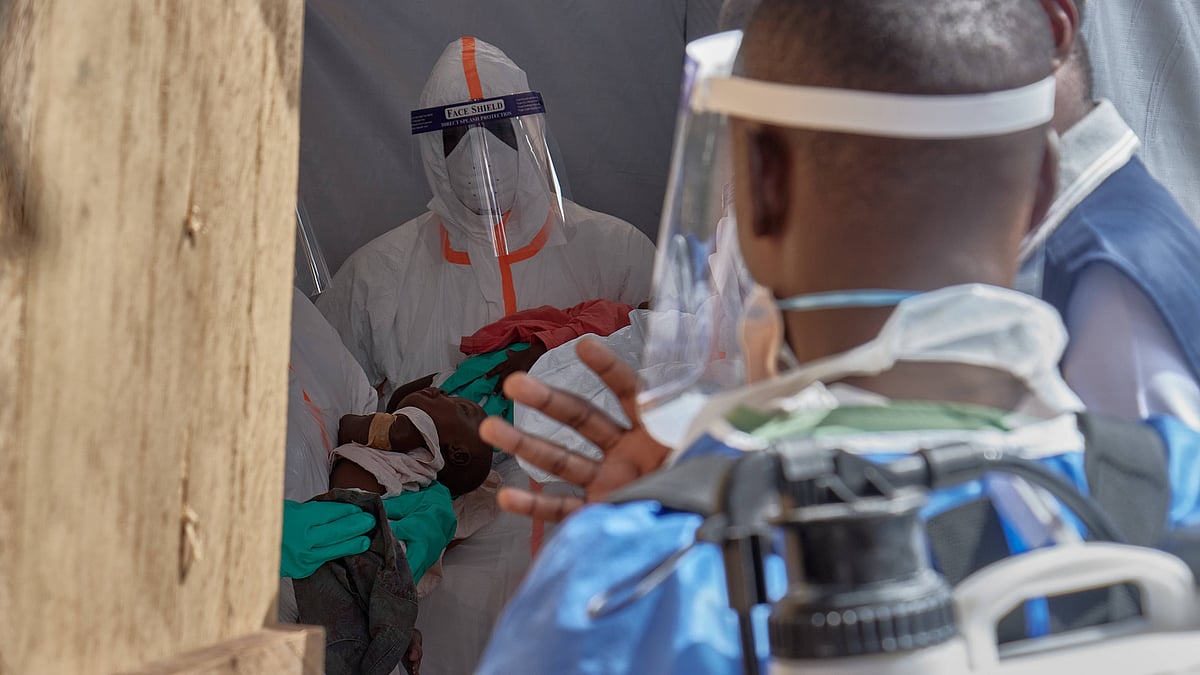
The Ebola outbreak sweeping the Democratic Republic of the Congo (DRC) remains a global health emergency, with the number of cases surpassing 5,000 and the death toll climbing above 2,320, the World Health Organization (WHO) has warned.
Following an emergency meeting on Tuesday, WHO director-general Tedros Adhanom Ghebreyesus urged the international community to step up support for the containment effort, warning that the epidemic remains dangerously beyond control.
“We must be frank: The epidemic is far from being under control,” Tedros told the meeting. “It had a big head start, and we are still playing catch-up.”
The outbreak, the DRC’s 17th, has now become the deadliest in the country’s history, eclipsing the 2,299 lives lost during the 2018-2020 Ebola epidemic.
The latest crisis has set off alarm bells for several reasons. The outbreak is being driven by the Bundibugyo strain of Ebola, for which there is currently no approved vaccine or treatment. The response is also unfolding against the backdrop of armed conflict in the mineral-rich country, while misinformation, distrust of health workers and deeply rooted cultural practices continue to complicate efforts to contain the virus.
Tedros warned that the disease is spreading at an “unprecedented speed”, with the geographical distribution of deaths suggesting that several chains of transmission have yet to be identified.
The WHO chief stressed that the outbreak will persist until every chain of transmission is traced and broken — a daunting task in a country where insecurity and limited access to affected communities can hinder surveillance and treatment.
Health workers are consequently turning to unlikely frontline allies. WHO medic Thierno Balde said motorbike riders have become a major focus of the response because of their role in transporting patients and bodies, making them critical links between communities.
“Hand-washing stations and disinfectant have been made available, but the new objective is to recruit them as surveillance and response officers,” Balde told reporters, as the WHO seeks to deepen community participation in the fight against the virus.
Although the outbreak was officially declared on 17 May, genetic sequencing has revealed that transmission had already been under way for about three months, beginning in February. The delay has further complicated efforts to reconstruct transmission chains and contain the disease before it reaches new communities.
There is, however, a glimmer of hope on the horizon. The first volunteer to receive an experimental vaccine targeting this strain of Ebola was vaccinated in the United Kingdom last month. Hundreds of thousands of doses of the vaccine, developed by scientists at Oxford University, have already been manufactured in India and are poised for deployment if clinical trials establish that the vaccine is effective.
For now, however, the WHO’s message remains stark: the outbreak is moving faster than the response, and the race to find and break every chain of transmission is becoming increasingly urgent.
Join our official telegram channel (@nationalherald) and stay updated with the latest headlines