World
Dutch hospital quarantines 12 staff over Hantavirus exposure precautions
Spanish health minister Monica Garcia says one of 14 evacuees from the vessel has preliminarily tested positive for hantavirus in Madrid
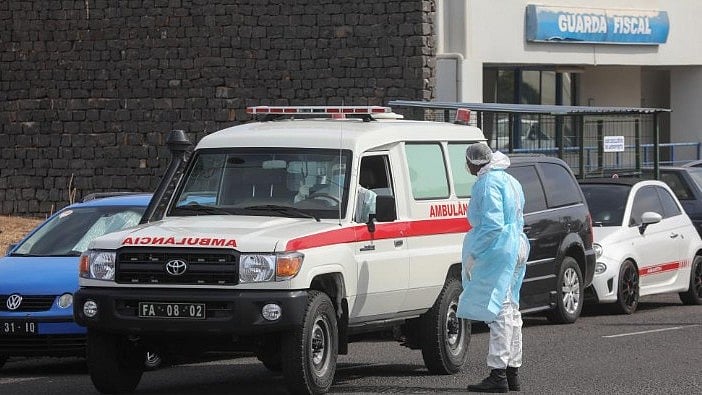
Radboud University Medical Center has placed 12 employees under preventive quarantine for six weeks after incorrect safety procedures were followed while treating a patient infected with hantavirus linked to the cruise ship MV Hondius.
The hospital, also known as Radboudumc, said the lapse involved the handling and processing of blood samples as well as the disposal of the patient’s urine.
“This blood was processed according to standard procedure. Due to the nature of the virus, this blood should have been processed according to a stricter procedure,” the hospital said in a statement on Monday, without detailing the additional safeguards required.
The medical centre added that it became clear on Saturday that the latest international guidelines for disposing of the patient’s urine had also not been followed.
As a precaution, 12 staff members who may have been exposed have now entered quarantine, although officials stressed the risk of infection remains very low.
“Although the risk of actual infection is very low, these measures have a significant impact on everyone involved,” said Bertine Lahuis, chair of Radboudumc’s Executive Board.
The patient was admitted to the Dutch hospital on Thursday after being evacuated from the MV Hondius, which has been linked to an ongoing hantavirus outbreak involving multiple passengers.
Meanwhile, Spain confirmed a preliminary positive case among evacuees from the same cruise ship. Spanish health minister Monica Garcia said one of 14 Spanish nationals evacuated from the vessel tested preliminarily positive for hantavirus after arriving in Madrid.
Writing on X, Garcia said the individual had been isolated at Madrid’s Gómez Ulla hospital and remained asymptomatic.
“The person remains in isolation, without symptoms and in general good health, under continued clinical observation in accordance with established safety and epidemiological protocols,” she said.
The remaining 13 evacuees tested provisionally negative, although authorities said final results were still pending.
According to health officials and the World Health Organisation, the outbreak is believed to involve the Andes strain of hantavirus — a rare variant capable of person-to-person transmission through close contact. Hantaviruses are typically spread through exposure to infected rodent urine, saliva or droppings.
The Spanish evacuees were transferred to Madrid after the MV Hondius arrived in Spain’s Canary Islands over the weekend as part of an international evacuation effort.
Several confirmed and suspected cases linked to the outbreak have now been reported, with passengers transferred to different countries for monitoring and treatment.
The final group of evacuees disembarked from the ship on Monday after the vessel briefly docked at the Port of Granadilla in Tenerife due to poor weather conditions. The ship later resumed its journey to Rotterdam in the Netherlands.
With IANS inputs
Join our official telegram channel (@nationalherald) and stay updated with the latest headlines