World
Floods affect tens of thousands across Afghanistan: UN
Authorities report 958 homes destroyed and 4,155 damaged, leaving thousands in urgent need of shelter
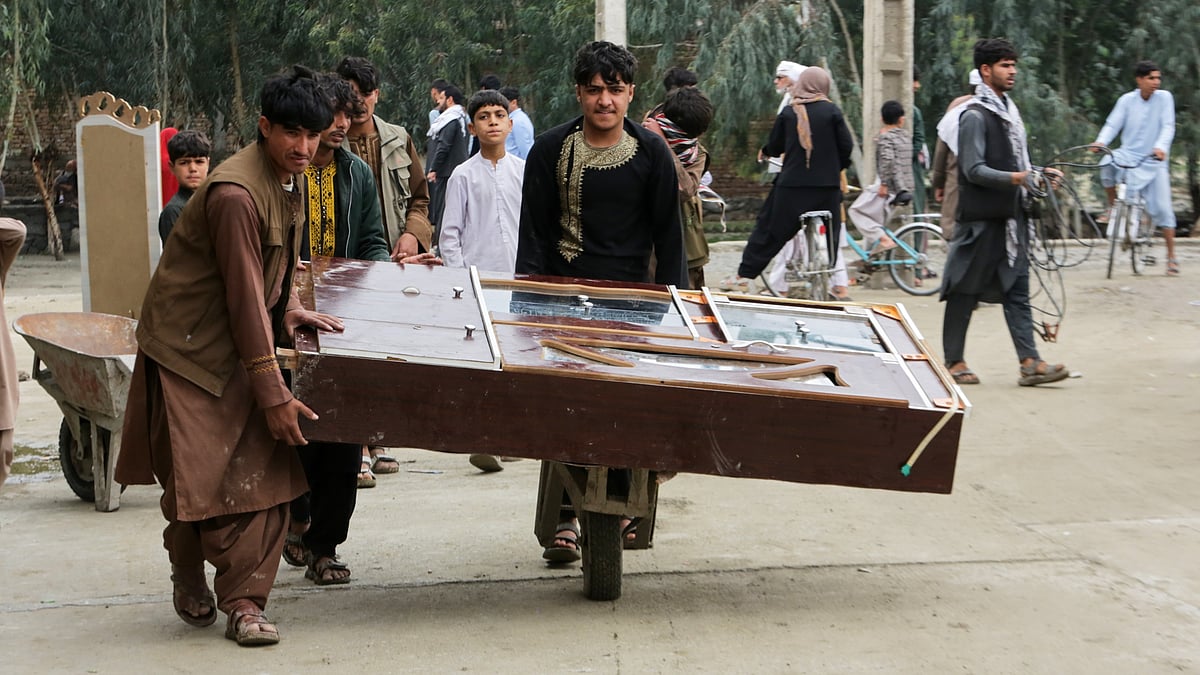
Severe seasonal flooding has battered Afghanistan over the past two weeks, leaving a trail of destruction across multiple provinces and affecting tens of thousands of people, according to United Nations estimates cited by local media.
Heavy rains between 26 March and 6 April triggered widespread floods that inundated hundreds of villages, impacting more than 73,000 residents. The disaster has caused extensive damage to homes, agriculture and infrastructure, raising serious concerns about livelihoods and food security.
Reports indicate that over 9,000 houses have been damaged, while more than 15,500 acres of farmland have been destroyed. The loss of over 500 livestock has further deepened the crisis for rural communities that rely heavily on farming and animal husbandry for survival.
The human toll has also been significant. Earlier this week, at least 110 people were reported killed and around 160 injured due to a combination of floods, landslides, lightning strikes and structural collapses over a 12-day period. Authorities said at least seven people remain missing, with fears that the death toll could rise amid forecasts of further rainfall.
Separate incidents underline the scale of the devastation. In Khost province, three women were killed and two children injured after a weakened wall collapsed in Gingini village following heavy rains. In Nangarhar province, at least 10 people died and six others were injured when roofs caved in under the pressure of continuous downpours, with areas such as Jalalabad, Sherzad and Khogyani among the worst affected.
Infrastructure has also taken a severe hit. Authorities reported that 958 homes were completely destroyed and another 4,155 partially damaged, leaving thousands of families in urgent need of shelter. More than 325 kilometres of roads have been damaged, while irrigation systems, businesses and drinking water sources have also suffered significant losses.
With fresh rainfall predicted, humanitarian agencies and local authorities are bracing for further deterioration of the situation, as affected communities struggle to cope with the scale of the disaster.
With IANS inputs
Join our official telegram channel (@nationalherald) and stay updated with the latest headlines