World
42 US lawmakers call for sanctions on Pak officials over rights crackdown
The group seeks sanctions under the Global Magnitsky Act as rights concerns deepen
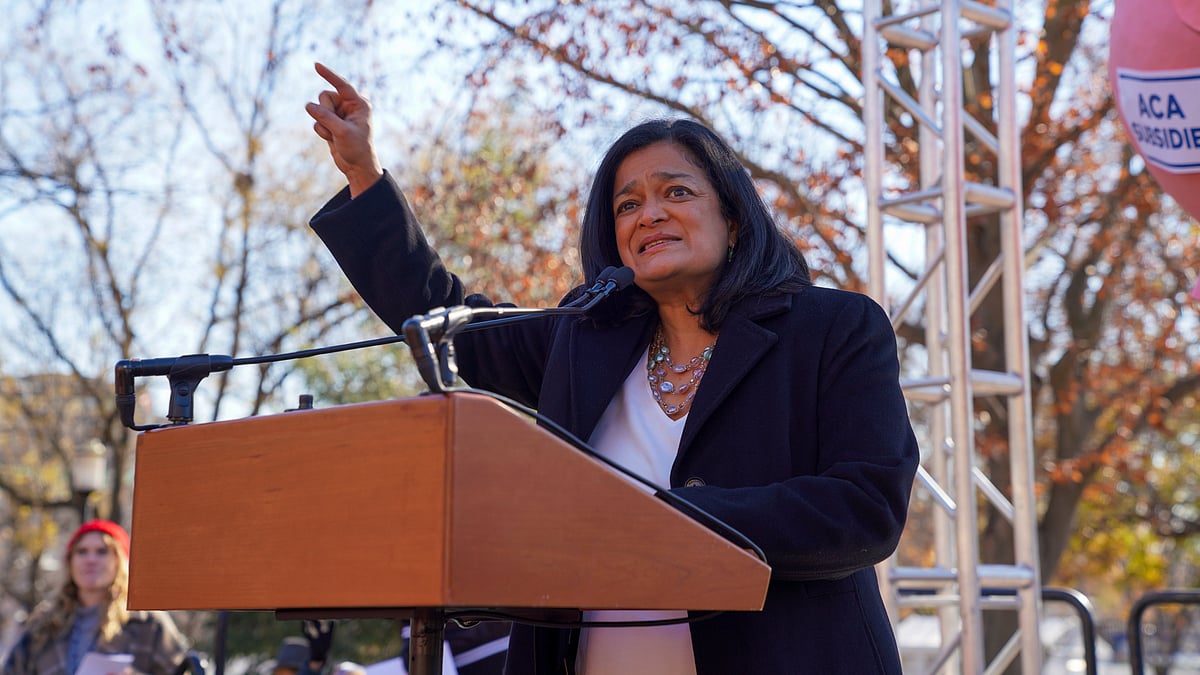
A group of 42 influential members of the US Congress has urged secretary of state Marco Rubio to take firm action against what they describe as a deepening pattern of human rights abuses and “transnational repression” by Pakistan’s military establishment.
The legislators, led by Indian American Congresswoman Pramila Jayapal and Congressman Greg Casar, warned that Pakistan was experiencing an “escalating crisis of authoritarianism”, with democratic checks and balances eroding and critics of the military increasingly targeted both at home and abroad.
In a letter dated 3 December, the group called on the administration to impose visa restrictions and freeze assets belonging to officials accused of orchestrating widespread repression. They argued that Washington had a responsibility to respond decisively, particularly in cases involving US citizens and residents who have faced intimidation for speaking out.
The lawmakers cited instances in which members of the Pakistani diaspora in the United States were allegedly threatened or had relatives abducted in Pakistan after criticising military leaders. Among the cases highlighted was that of Virginia-based investigative journalist Ahmed Noorani, whose brothers were reportedly abducted and assaulted in Islamabad after he published material on alleged corruption within the military.
They also referenced Pakistani American musician Salman Ahmad, who has said his family was threatened in both countries, with a relative allegedly detained without charge until US authorities intervened.
The letter accuses Pakistan’s security establishment of dismantling democratic structures, detaining opposition figures without due process, targeting journalists, and curbing free expression online. Minority communities, particularly in Balochistan, were said to face heightened vulnerability.
The signatories argued that the February 2024 elections, criticised by civil society groups and flagged by the US State Department, had entrenched military influence behind a civilian façade. They also raised concerns about Pakistan’s Supreme Court permitting the trial of civilians in military courts, a move they said had effectively undermined judicial independence.
The lawmakers specifically questioned the role of Army Chief General Asim Munir, who they contend sits at the centre of the crackdown. They asked the administration to clarify whether human rights issues were raised when President Donald Trump met Prime Minister Shehbaz Sharif in September and later held discussions with Munir in July.
They further pressed the State Department to outline what conditions would trigger sanctions under the Global Magnitsky Act and how Washington intended to protect US-based individuals facing threats linked to Pakistani authorities.
The letter also calls for the release of former prime minister Imran Khan and other political detainees, arguing that such steps would demonstrate US commitment to human rights and help stabilise the region.
The signatories include several prominent lawmakers such as Ro Khanna, Raja Krishnamoorthi, Rashida Tlaib, Jamie Raskin, Ilhan Omar and Maxine Waters. International rights groups and UN experts have similarly raised alarms over the treatment of political activists and the broader decline of civilian oversight in Pakistan.
With IANS inputs
Join our official telegram channel (@nationalherald) and stay updated with the latest headlines