World
Global defence firms ride war-driven boom as new conflicts fuel surge in spending
Ukraine war windfall expands as West Asia tensions drive fresh orders and massive US funding push
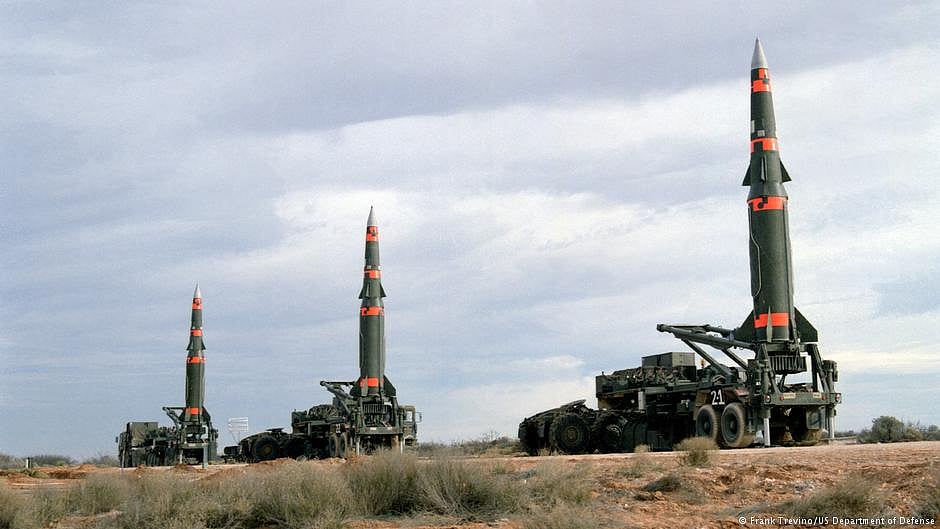
Defence contractors across the United States and Europe are experiencing an unprecedented surge in demand, as prolonged conflict in Ukraine and escalating tensions in the West Asia drive a new wave of military spending and arms production.
Financial Times reported that since the outbreak of the Ukraine war in 2022, defence companies have seen order books swell and revenues climb to record levels, fundamentally reshaping the industry’s growth trajectory. The sustained conflict has prompted governments, particularly in Europe, to replenish stockpiles and increase long-term defence commitments, delivering strong cash flows and shareholder returns.
Major defence groups have rewarded investors handsomely, with billions returned through dividends and share buybacks. Companies such as Rheinmetall have reported exceptional earnings on the back of rising orders, reflecting a broader sector-wide upswing.
This momentum is now being reinforced by instability in the West Asia, where the risk of a prolonged confrontation involving Iran is triggering further military expenditure. The United States and its allies are moving quickly to rebuild depleted inventories, particularly after extensive weapons transfers to Ukraine.
At the centre of this effort is a proposed $200 billion supplemental funding request from the Pentagon. The package is intended to finance ongoing military operations, replenish munitions stockpiles and significantly expand production capacity. This comes in addition to the Department of Defense’s already substantial annual budget of $838.7 billion approved earlier this year.
The funding push follows mounting concerns over ammunition shortages. Intensive support for Ukraine, combined with the early stages of the Iran conflict, has strained reserves and exposed supply chain limitations. In response, the US is seeking to dramatically scale up output of key systems, including 155mm artillery shells, advanced air-to-air missiles and missile defence interceptors.
Production capacity has already been expanding since 2022, with new facilities coming online and output rising steadily. However, industry executives remain cautious about over-investing in infrastructure amid uncertainty over how long elevated demand will persist.
The financial stakes are underscored by the high cost of modern warfare. In the opening phase of the US campaign against Iran, launched under Operation Epic Fury, hundreds of precision-guided Tomahawk missiles were deployed within days. Each missile carries a price tag of roughly $3.5 million, contributing to an estimated $1.2 billion in strike costs in less than a week, the Guardian reported.
When factoring in broader operational expenses, including combat losses and logistics, the total cost of the first six days of the conflict is estimated at $12.7 billion. Daily expenditures are believed to be approaching $2 billion, fuelling debate in Washington over the long-term sustainability of such spending.
Despite these concerns, political momentum in favour of increased defence funding remains strong. Lawmakers have emphasised the need to maintain robust stockpiles and ensure readiness amid rising geopolitical risks. Additional proposals under consideration could push total defence spending even higher in the coming years.
Meanwhile, competition within the defence sector is intensifying. Established US contractors are competing not only with European rivals but also with emerging firms seeking to capitalise on shifting procurement priorities and technological innovation.
As conflicts continue to reshape global security dynamics, the defence industry appears set for a prolonged period of elevated demand. However, questions remain over how long the current boom can be sustained — and what the long-term economic and geopolitical consequences of this surge in military spending will be.
Join our official telegram channel (@nationalherald) and stay updated with the latest headlines