World
Iran eyes progress towards US nuclear talks as tension eases
Tehran says it is reviewing regional initiatives to ease tensions with Washington
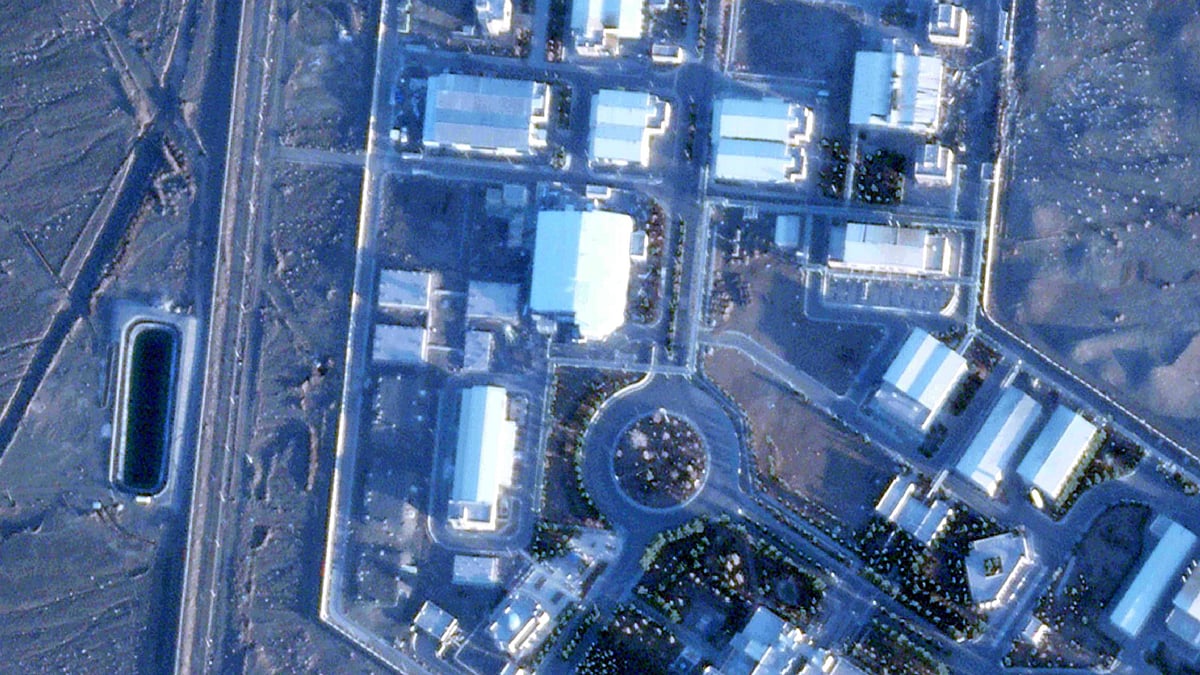
Iran on Monday signalled a cautious thaw in its long-frozen standoff with the United States, expressing hope that a framework to revive stalled nuclear negotiations could take shape in the coming days, even as unverified reports suggested President Masoud Pezeshkian has given the green light for talks to resume, the Al Jazeera reported.
Tehran said it is weighing a series of diplomatic initiatives floated by regional powers aimed at easing tensions with Washington, a statement that comes amid growing indications that both sides are stepping back from the brink of military confrontation. “Several points have been addressed, and we are examining and finalising the details of each stage in the diplomatic process,” foreign ministry spokesman Esmaeil Baghaei said, adding that Iran hopes to conclude this phase “in the coming days.”
According to the Reuters news agency, citing unnamed Iranian and US officials, indirect talks are expected to take place on Friday in Istanbul, bringing together US Special Envoy Steve Witkoff and Iranian foreign minister Abbas Araghchi. AFP, quoting an unnamed regional official, reported that a “potential meeting” in Türkiye was being shaped by quiet shuttle diplomacy involving Qatar, Türkiye, Egypt and Oman.
The diplomatic stir follows months of escalating rhetoric and military posturing. Earlier this year, US President Donald Trump dispatched warships to the Middle East after Iranian authorities violently suppressed mass protests in January. Thousands were killed as demonstrations — sparked by economic hardship and the collapse of the national currency under the weight of sanctions — spiralled into a direct challenge to the ruling establishment.
Yet the tone from Washington has since shifted. On Sunday, Trump said the United States was “talking with Iran”, a claim Tehran has now echoed. Baghaei confirmed that indirect negotiations are under way, with regional countries acting as intermediaries in the exchange of messages, though he declined to disclose specifics.
Iran’s state news agency IRNA reported that Araghchi has been actively consulting counterparts in Saudi Arabia, Egypt and Türkiye to discuss the evolving diplomatic landscape. Adding to the sense of momentum, the Fars news agency — citing an unnamed source — said President Pezeshkian had ordered the resumption of nuclear talks, a report also carried by the government daily Iran and the reformist Shargh newspaper.
Tasnim news agency later reported that Araghchi is expected to meet US envoy Witkoff as part of the negotiating effort, though neither Tehran nor Washington has officially confirmed that such a meeting has been scheduled. Meanwhile, a White House official said Witkoff would arrive in Israel on Tuesday for talks with Prime Minister Benjamin Netanyahu, underscoring the delicate regional choreography unfolding alongside the Iran-US outreach.
The reports of impending negotiations come at a moment of acute tension, with US aircraft carriers and fighter jets positioned in the Indian Ocean, within range to support a potential strike on Iran. Trump has repeatedly warned Tehran in recent months, even as he pivoted from threats to calls for a renewed nuclear deal following the collapse of earlier talks.
Negotiations had been revived in Oman in June, but the process unravelled after Israel launched strikes on Iran, followed by US attacks on Iranian nuclear facilities. Since then, the United States and its European allies have voiced growing concern that Iran is edging toward developing nuclear weapons — an accusation Tehran vehemently denies, insisting its nuclear programme is strictly for civilian purposes.
Iranian sources told Reuters that Washington has set stiff preconditions for restarting talks, including an end to uranium enrichment, limits on Iran’s missile programme, and a halt to support for allied armed groups across the region. While Tehran has previously shown flexibility on the nuclear file, its missile capabilities and regional alliances have long been treated as red lines.
Whether Iran is prepared to soften those positions remains uncertain, even as the country grapples with a battered economy and the urgent need for sanctions relief to avert renewed unrest. For now, the diplomatic signals suggest a fragile opening — one shadowed by warships, warnings and deeply entrenched mistrust.
As Trump put it on Sunday, Iran was “seriously talking” with the United States — even as he cautioned, “We have very big, powerful ships heading in that direction.” Iran’s supreme leader Ayatollah Ali Khamenei, meanwhile, struck a defiant note, warning that any attack would ignite a “regional war”.
Join our official telegram channel (@nationalherald) and stay updated with the latest headlines