World
Iran eyes Strait of Hormuz breakthrough as diplomatic winds shift
Esmaeil Baqaei says talks focus on establishing safe shipping routes through Strait of Hormuz, a key global energy corridor
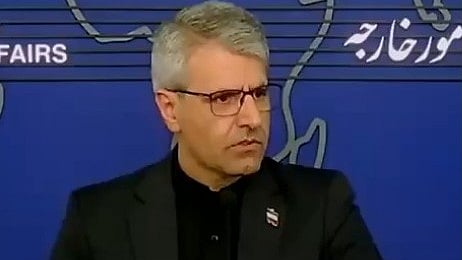
Iran has struck an optimistic note over efforts to restore normal shipping through the Strait of Hormuz, signalling that negotiations with Oman are making steady progress and raising hopes that diplomacy may finally ease tensions surrounding one of the world's most critical maritime chokepoints.
Positioning itself at the heart of the regional dialogue, Tehran said discussions with Muscat have advanced positively, with both sides working to chart a framework that safeguards navigation while respecting the sovereignty and security concerns of the two Gulf nations.
Foreign ministry spokesperson Esmaeil Baqaei said the talks are centred on establishing safe return routes for vessels transiting the Strait of Hormuz, a strategic waterway through which a significant share of the world's energy supplies passes.
"These negotiations are being pursued as a dialogue between the two coastal countries of the Strait of Hormuz, focusing on determining safe return routes for ships; a route that, while ensuring sovereign rights, also takes into account national security considerations of Iran and Oman," Baqaei said, according to Iran's Tasnim News Agency.
Describing the discussions as constructive, Baqaei said the negotiations have yielded positive results at both the technical and political levels. He added that Iran, in coordination with Oman, is working to establish the mechanisms needed for future arrangements to manage maritime traffic through the strategically vital passage. The final outcome, he said, will be announced once the talks conclude.
The positive signals from Tehran have found an echo in Washington. US secretary of state Marco Rubio acknowledged that negotiations were making "progress", while treasury secretary Scott Bessent suggested that a breakthrough could be just around the corner.
"We are in talks with the Iranians, and I think there is a chance we may have a deal today or tomorrow to open the strait and move towards a more normalised position in this conflict," Bessent said in an interview with CNBC, as quoted by Xinhua News Agency.
Iran, however, has so far remained silent on Bessent's timeline, refraining from publicly commenting on his remarks.
Meanwhile, Qatar confirmed that its mediation efforts between Tehran and Washington remain active. Majed Al Ansari, adviser to the Qatari Prime Minister and spokesperson for the Ministry of Foreign Affairs, said draft proposals continue to be exchanged through mediators, even though no direct US-Iran talks are currently scheduled. Doha expressed hope that the ongoing back-channel diplomacy would soon pave the way for formal negotiations.
Yet, despite the renewed diplomatic momentum, the region remains on edge. An Indian commercial vessel was attacked in the Red Sea near Yemen, though all 14 crew members were rescued safely by the Yemeni coastguard. The incident serves as a stark reminder that while diplomacy gathers pace, the security challenges confronting the region remain far from over.
With agency inputs
Join our official telegram channel (@nationalherald) and stay updated with the latest headlines