World
Iran open to compromises for nuclear deal if US discusses sanctions relief: Deputy FM
Tehran says “ball is in America’s court” as indirect talks continue; Washington maintains Iran is slowing progress
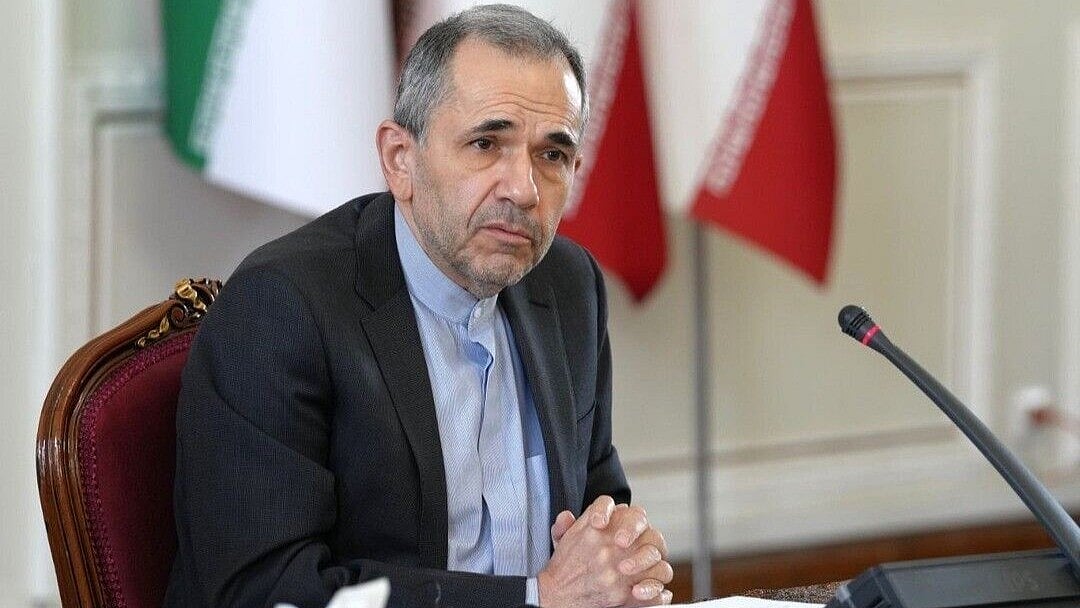
Iran is ready to consider compromises to reach a nuclear agreement with the United States if Washington is willing to discuss lifting sanctions, Iranian deputy foreign minister Majid Takht-Ravanchi said in an interview, even as US officials maintained that Tehran was delaying progress in negotiations.
Speaking to the BBC in Tehran, Takht-Ravanchi said the responsibility now lay with Washington to demonstrate seriousness about diplomacy. “The ball is in America’s court to prove that they want to do a deal. If they are sincere, I’m sure we will be on the road to an agreement,” he said.
His remarks come amid renewed diplomatic activity following indirect talks between the two sides in Oman earlier this month. A second round of negotiations is expected to take place in Geneva on Tuesday. Takht-Ravanchi described the earlier discussions as moving “more or less in a positive direction”, though he cautioned it was too early to draw conclusions.
US Secretary of State Marco Rubio said on Saturday that President Donald Trump preferred a deal but acknowledged that reaching one with Iran remained “very hard”. Trump has also warned of possible strikes against Iran if negotiations fail, while the US has increased its military presence in the region.
Takht-Ravanchi pointed to Tehran’s willingness to dilute its stockpile of uranium enriched to 60 per cent — close to weapons-grade level — as evidence of flexibility, although he did not specify whether Iran would ship out its reserves as it did under the 2015 nuclear agreement.
“We are ready to discuss this and other issues related to our programme if they are ready to talk about sanctions,” he said, declining to clarify whether Iran seeks partial or full sanctions relief.
Iran has insisted that negotiations focus solely on the nuclear programme and not extend to its ballistic missile capabilities or regional activities — key demands from Washington and Israel. “The issue of zero enrichment is not an issue anymore… it is not on the table,” Takht-Ravanchi said, contradicting recent comments by Trump that the US wanted no uranium enrichment.
Tehran has also raised concerns over Washington’s mixed messaging, noting that private diplomatic communications conveyed interest in peaceful resolution while public remarks sometimes hinted at regime change.
The deputy foreign minister warned that further military escalation would destabilise the region, saying any large-scale conflict would be “traumatic” and affect all sides. He added that Iran would respond if it perceived an existential threat.
Regional mediators, including Oman and Qatar, have been involved in facilitating contacts between the two countries. While both sides have described recent talks as constructive, observers remain sceptical about whether a comprehensive deal can be achieved amid continuing disagreements over sanctions, enrichment levels and security issues.
Join our official telegram channel (@nationalherald) and stay updated with the latest headlines