World
Iran retaliates after renewed US aggression; Gulf tensions deepen
Escalating conflict sends oil prices up more than 9 per cent amid fears of supply disruptions
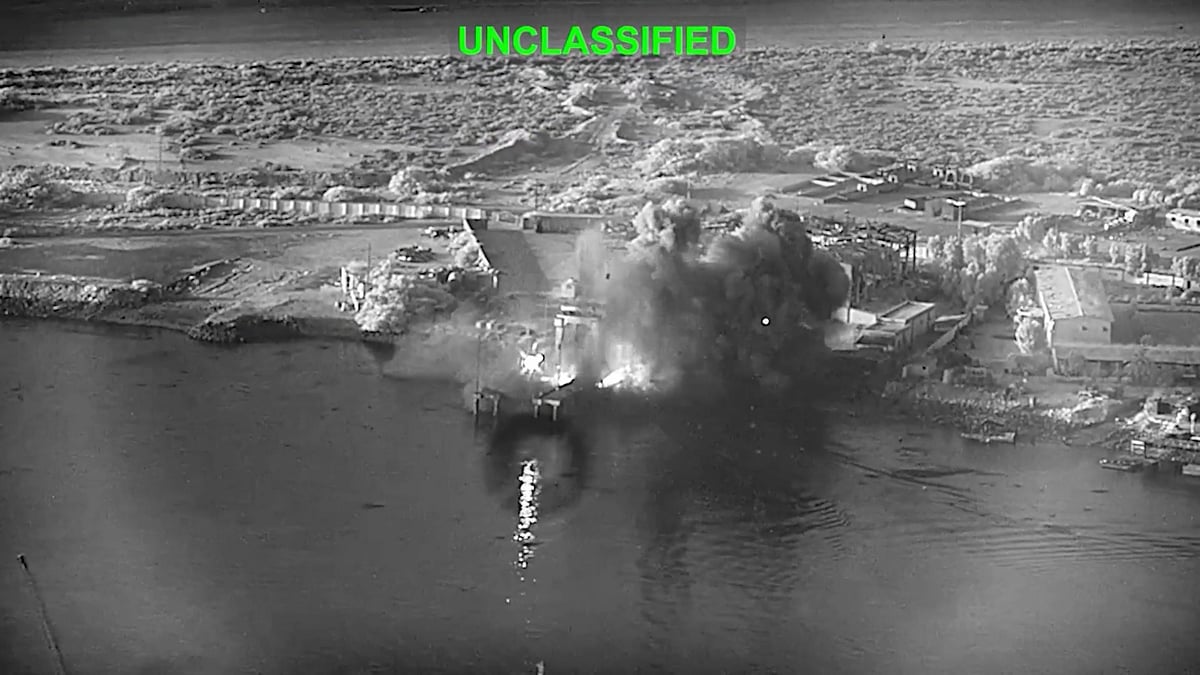
Iran and the United States moved deeper into open confrontation early Tuesday (14 July 2026), as a fresh wave of US airstrikes hit Iranian territory, prompting swift retaliation from Tehran and raising fears of a wider regional conflict.
The latest US attacks struck areas in southern Iran's Bushehr province, according to Iran's Nournews, marking another escalation in the renewed hostilities. Despite the military offensive, US President Donald Trump maintained that diplomacy had not been abandoned.
"We're going to hit them very hard tonight, and we're going to hit them hard tomorrow," Trump told conservative radio host Hugh Hewitt on Monday, while adding that a deal with Tehran remained "possible".
Tehran responded with force. Iran's Islamic Revolutionary Guard Corps (IRGC) announced that it had launched missile and drone strikes on Bahrain, targeting what it described as American military infrastructure in the Gulf kingdom. Iranian state television IRIB quoted the Guards as saying that "several weapons support warehouses, a satellite communications center and the residential building for US forces in Bahrain" had been struck. The attacks came after Bahrain urged residents to take shelter as missile warning sirens echoed across the country.
Iran also signalled that it was prepared to raise the stakes in one of the world's most strategically vital waterways. The IRGC warned that any cooperation with the "aggressor enemy" in the Strait of Hormuz would delay the reopening of the maritime corridor and risk triggering a global energy crisis. Iranian media later reported that the Guards had struck and disabled two "offending supertankers" in the Strait, threatening further disruption to a route through which a significant share of the world's oil passes.
The rapidly escalating conflict sent shockwaves through global markets, with oil prices surging more than 9 per cent amid fears that the fighting could imperil energy supplies and destabilise the wider Gulf region.
The renewed confrontation has also cast a long shadow over diplomacy in neighbouring Iraq. Iraqi Prime Minister Ali al-Zaidi arrived in Washington for his first foreign visit since taking office and is scheduled to meet Mr. Trump on Tuesday. His week-long visit comes as Washington intensifies pressure on Baghdad to curb Iranian influence, placing Iraq once again at the centre of the decades-long rivalry between its two most powerful allies. Successive Iraqi governments have struggled to balance ties with both Washington and Tehran, even as their rivalry has repeatedly spilled onto Iraqi soil.
With agency inputs
Join our official telegram channel (@nationalherald) and stay updated with the latest headlines