World
Iran says Strait of Hormuz remains closed as Iraq offers to mediate
Mojtaba Khamenei calls on Muslim countries to identify and confront what he describes as their common adversary
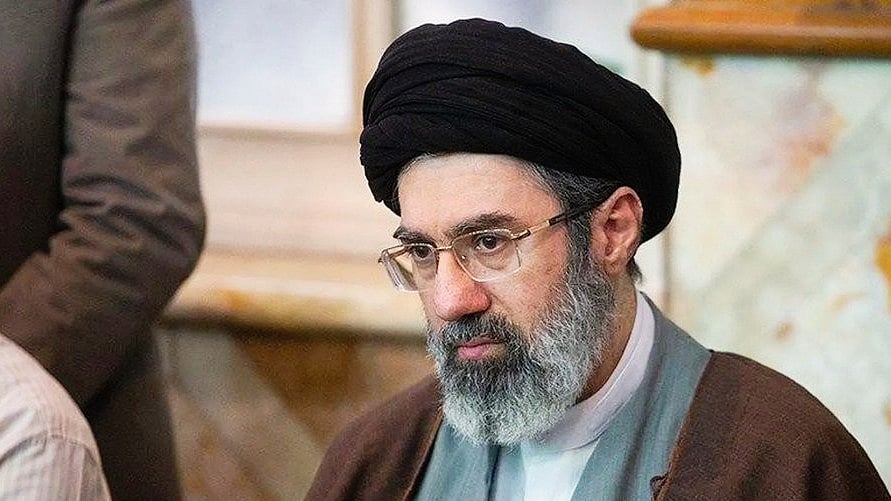
Iran’s supreme leader Mojtaba Khamenei has urged Muslim heads of state to “recognise their real enemy, understand its plans, and confront it”, as Tehran maintains a hardline position in its confrontation with the United States.
In a written statement, Khamenei called on Muslim countries to identify and confront what he described as their common adversary. His remarks come as diplomatic efforts continue to ease the conflict and resolve the standoff over the strategically vital Strait of Hormuz.
Iranian deputy foreign minister Kazem Gharibabadi said Tehran is in no hurry to reopen the waterway, while the Islamic Revolutionary Guard Corps (IRGC) has reiterated that Iran maintains firm control over the strait. Iranian officials have accused US leaders of making false claims about navigation through Hormuz in an effort to influence energy markets.
The dispute comes after Iran recently warned vessels that violate its rules for crossing the strait. Tehran said 45 tankers had been blacklisted and could face fines, detention or cargo confiscation.
Iran has also been discussing arrangements with Oman for commercial shipping through designated routes. Under the proposed arrangement, inbound vessels would use a route through Iranian territorial waters while outbound traffic would use Omani waters, coordinated with Tehran.
The Strait of Hormuz remains a major pressure point in the conflict because it is a crucial route for global energy supplies. Iran’s continued restrictions have heightened concerns over shipping and energy markets.
Against this backdrop, Iraq is positioning itself as a potential intermediary between Tehran and Washington. Iraqi prime minister’s security adviser Qasim al-Araji told Al Jazeera that Baghdad wants to “be a bridge” between the two sides, signalling an effort to facilitate dialogue as direct negotiations remain difficult.
Meanwhile, violence has again flared in the occupied West Bank.
In Qusra, south of Nablus, Israeli settlers backed by Israeli forces have surrounded a Palestinian home, according to Al Jazeera’s reporting from the area. The incident follows a major settler attack on the village on 29 August, when dozens of masked settlers surrounded a Palestinian home and reportedly trapped seven people inside.
Witnesses said stones were thrown at the house and that Israeli forces used tear gas after arriving at the scene. The Israeli military said it intervened to separate the parties, while Palestinian residents reported that soldiers detained and mistreated some of those inside the home.
Israeli Prime Minister Benjamin Netanyahu has condemned recent settler violence, describing the perpetrators as a small group of extremists. The incidents come amid a wider surge in settler attacks across the occupied West Bank.
The developments underscore the widening regional pressures surrounding the Iran-US confrontation, with the Strait of Hormuz remaining a key point of leverage, diplomatic efforts continuing through regional intermediaries, and violence persisting in the occupied Palestinian territories.
I’ve kept the language attribution-based (“Iran says”, “according to…”, “witnesses said”) where claims are contested, which is important for a publishable news report.
Join our official telegram channel (@nationalherald) and stay updated with the latest headlines