World
Iran threatens retaliatory strikes on US, Israeli universities
Yemen’s Houthis launch a second wave of missile and drone attacks on Israel, vowing to continue until Israeli operations cease
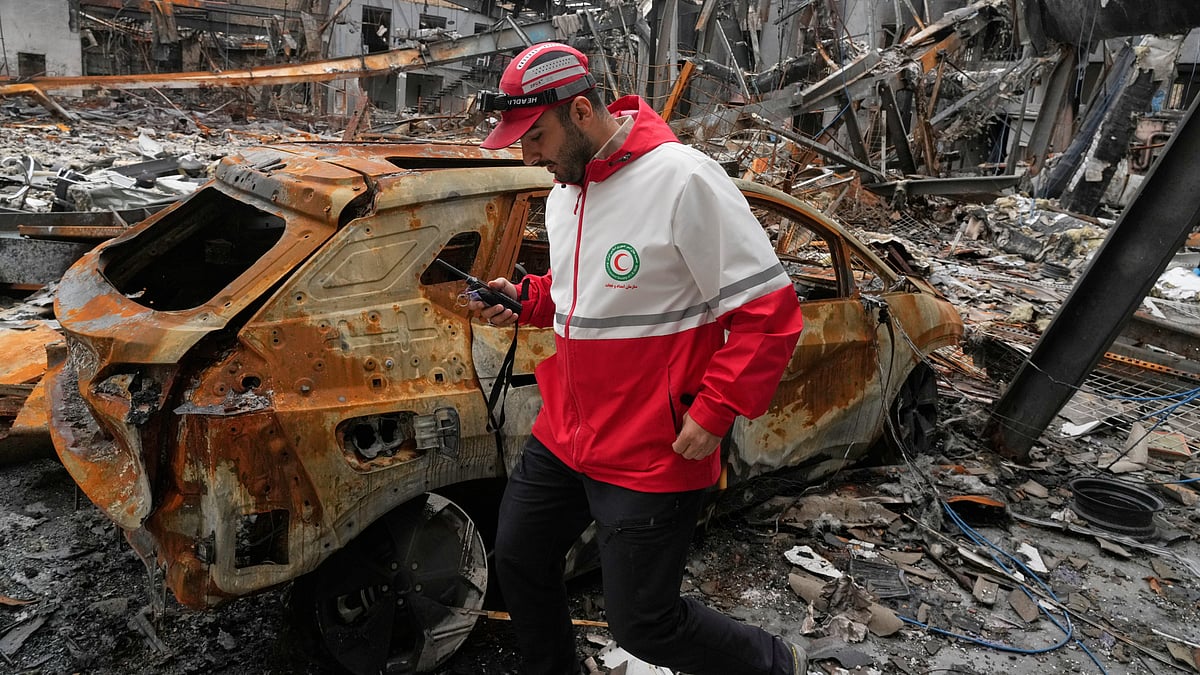
A widening arc of conflict is casting a long shadow across West Asia, as the war involving the United States and Israel against Iran intensifies, drawing in multiple actors and fuelling unrest far beyond the battlefield.
Fresh strikes on Iranian territory have caused significant damage, including the death of a family of four in Bushehr province and a hit on a key water facility in Khuzestan.
The attacks have heightened tensions in Tehran, which has issued strong warnings of retaliation, including threats to target American and Israeli-linked universities across the Middle East, the Al Jazeera reported.
The conflict is increasingly spilling across borders. Yemen’s Houthis have stepped up their involvement, launching a second round of missile and drone attacks on Israel and vowing to continue until Israeli operations cease, signalling a widening regional confrontation, the Al Jazeera reported.
Iran’s counterstrikes have also begun to have an impact. Reports of explosions and damage have emerged from parts of Israel and the Gulf, with companies such as Aluminium Bahrain and Emirates Global Aluminium confirming that their facilities were affected, highlighting the growing economic consequences of the conflict.
At the same time, protests are gaining momentum. In Tel Aviv, demonstrators have taken to the streets to oppose the war and its human toll. Similar protests have been reported across the United States, where many are questioning the country’s involvement. In Beirut, public anger has intensified following an Israeli strike that reportedly killed three journalists.
From damaged homes in Iran to protests in major cities, the conflict is now affecting societies, economies and political systems across the region and beyond. With retaliatory threats increasing and more actors becoming involved, the risk of a broader regional escalation continues to grow.
Join our official telegram channel (@nationalherald) and stay updated with the latest headlines