World
Iran to announce restricted zone outside Strait of Hormuz, says Mohsen Rezaei
Iran says ships entering restricted zone without coordination will face insurance and passage sanctions
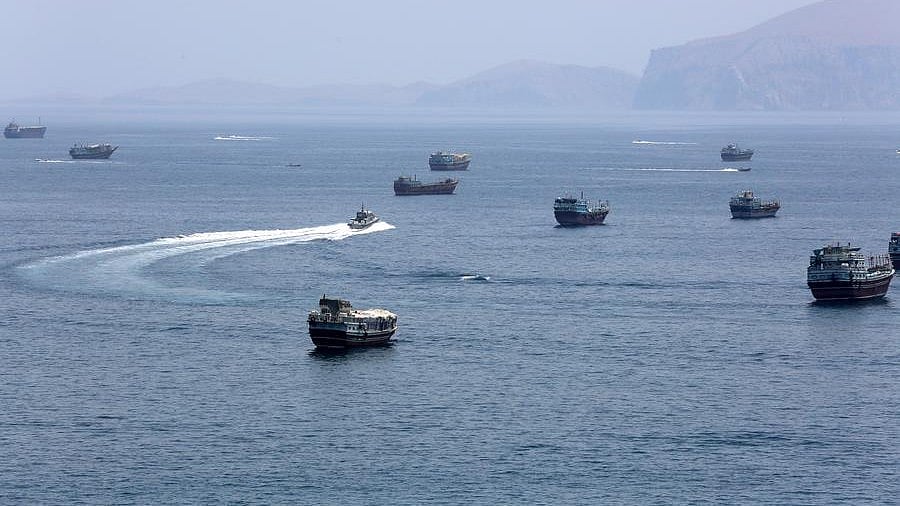
Iran is preparing to announce a restricted maritime zone outside the Strait of Hormuz in the coming days, with vessels entering the area without prior coordination potentially facing sanctions that could affect their insurance coverage and future passage through the strategic waterway, Iran's Supreme National Security Council secretary Mohsen Rezaei has said.
Speaking in an interview with state-run IRIB TV broadcast on Sunday night, Rezaei said the proposed zone would stretch from what he described as the point where the US naval blockade begins toward the Strait of Hormuz, extending into the Persian Gulf on the opposite side of the strait.
According to Rezaei, ships attempting to enter the restricted area without coordinating with Iranian authorities would face measures targeting their insurance and their ability to use the waterway in the future.
The announcement represents what Rezaei described as part of a broader change in Iran's military and diplomatic strategy, with Tehran seeking to increase pressure on Washington amid heightened tensions in the region.
Rezaei also rejected US assertions that commercial vessels and oil tankers continue to pass through the Strait of Hormuz.
He said the waterway was "completely closed" and dismissed claims that ships were routinely crossing the strait as false.
Rezaei acknowledged that some vessels had attempted to use a route closer to Oman's territorial waters to move through the area. He claimed that some of these ships had switched off their navigation systems in an effort to avoid detection.
"Most of them receive blows," Rezaei said, without providing details about the number of vessels allegedly targeted or the nature of the incidents.
He added, however, that Iran was not currently seeking to sink such vessels, citing concerns about the potential environmental consequences of a major maritime incident.
In another significant claim, Rezaei said Iran had test-fired a domestically developed anti-destroyer missile over a US aircraft carrier approximately 48 hours before the interview.
He described the test as a warning to Washington that the US naval blockade could be challenged and claimed the missile had caused what he called a "hell" for American forces, prompting them to retreat.
Iran has not publicly provided independent evidence supporting the details of the alleged missile test, and the claims could not be independently verified.
The reported development comes amid heightened military tensions between Iran and the United States and follows repeated warnings from Tehran that it has the capability to disrupt maritime traffic in and around the Strait of Hormuz.
Rezaei said Iran would continue to restrict passage through the Strait of Hormuz until the United States takes what Tehran considers practical steps to meet its obligations under a peace memorandum of understanding reportedly signed by the two countries in June.
He did not provide a detailed timeline for when the waterway could reopen fully, instead tying any change in the current restrictions to US compliance with the terms of the agreement.
At the same time, Rezaei said Iran and Oman were preparing a new international maritime corridor through the Strait of Hormuz.
He said details of the corridor would be announced in the coming days and stressed that the route would operate under Iranian management.
The Strait of Hormuz is one of the world's most strategically important maritime chokepoints, connecting the Persian Gulf with the Gulf of Oman and the wider Arabian Sea. A substantial share of global oil and liquefied natural gas shipments normally passes through the waterway.
Any prolonged disruption to shipping through the strait could therefore have significant consequences for international energy markets, maritime insurance costs and global supply chains.
The latest statements come against the backdrop of the escalating regional confrontation that followed US-Israeli strikes on Iran on February 28. Tehran subsequently imposed restrictions on passage through the Strait of Hormuz, while US forces established what Iran describes as a naval blockade targeting vessels travelling to and from Iranian ports and coastal areas.
Rezaei's comments indicate that Tehran intends to use control over access to the waterway as both a military and diplomatic instrument, potentially placing additional pressure on shipping companies and international operators while keeping the possibility of a controlled maritime corridor open.
However, the claims concerning the closure of the strait, attacks on vessels, the alleged missile test and the proposed international corridor remain subject to independent verification.
With IANS inputs
Join our official telegram channel (@nationalherald) and stay updated with the latest headlines