World
Iran–Israel escalation strains US strategy as Hormuz shutdown raises stakes
Trump warns of further US strikes, saying Iran has “taken too long” on a deal and will “pay the price”
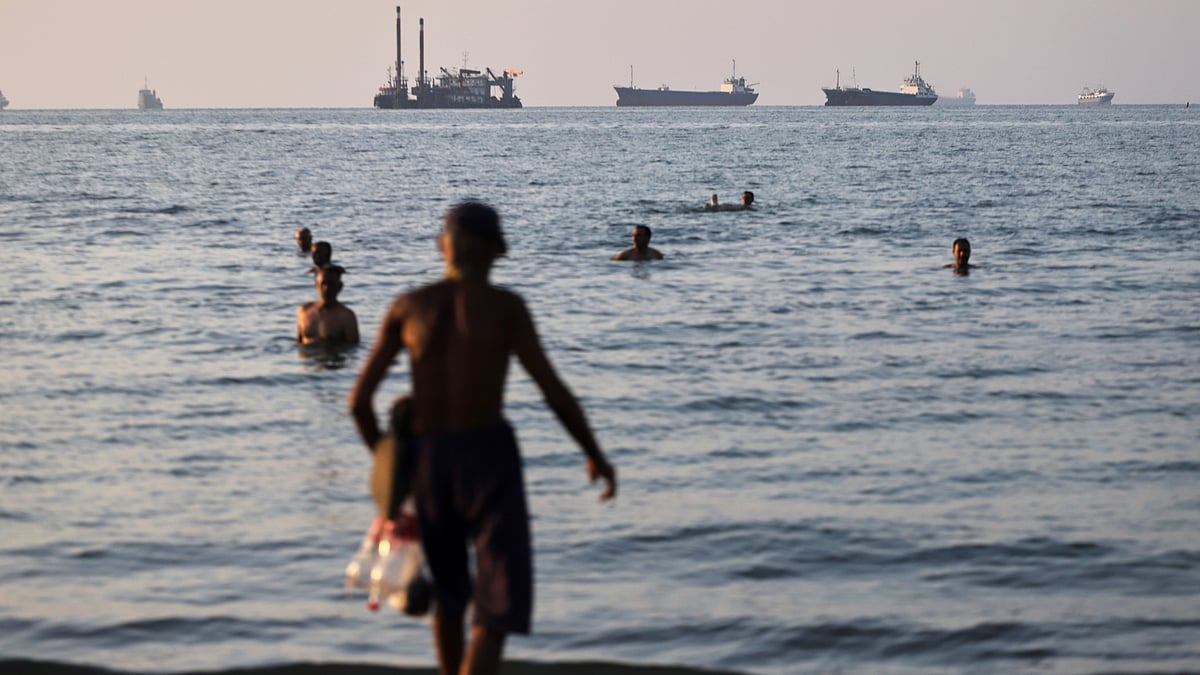
Tensions in West Asia surged sharply as Iran’s Islamic Revolutionary Guards Corps (IRGC) claimed retaliatory strikes against US forces in the region, with Iranian state media citing American bases in Kuwait and Bahrain.
The claims followed US Central Command (CENTCOM) reports of strikes on “multiple targets in Iran”, which Washington described as self-defence and a response to “Iran’s unwarranted and continued aggression”, the Al Jazeera reported.
Explosions were reported across multiple Iranian locations, including Bandar Abbas, Qeshm Island, Sirik, and Minab, with Iranian sources also reporting activation of air defence systems in western Tehran amid heightened alert.
In a major escalation, Iran’s Mehr news agency said the military had ordered the full closure of the Strait of Hormuz to all vessels, including oil tankers and commercial shipping — a move that, if enforced, could severely disrupt global energy flows.
US President Donald Trump warned of further military action, saying US forces were preparing additional strikes. He said Iran had “taken too long to negotiate a deal that would have been great for them” and would “now have to pay the price”.
Meanwhile, the Iran–Israel confrontation showed further signs of widening, with continued Israeli strikes reported across southern Lebanon and the Bekaa Valley, areas long linked to Iran-backed Hezbollah positions. Israeli operations in these regions have intensified in recent weeks, triggering retaliatory threats from Tehran-aligned groups and raising fears of a broader regional war.
Regional monitors say the sustained exchange between Israel and Iran-linked forces has already driven civilian casualties higher and expanded the conflict beyond Gaza, with Hezbollah activity along Israel’s northern border remaining a key flashpoint.
Casualty reports persist, with the death toll from Israeli bombardments since March reaching 3,696.
As multi-front escalations intensify across Iran, Israel, and US forces, concerns are growing that overlapping conflicts could merge into a wider regional confrontation, further destabilising an already volatile West Asia.
Join our official telegram channel (@nationalherald) and stay updated with the latest headlines