World
Israel to reopen Gaza border crossing with Egypt after nearly two years
Rafah crossing is expected to allow Palestinians to enter and exit the Gaza Strip
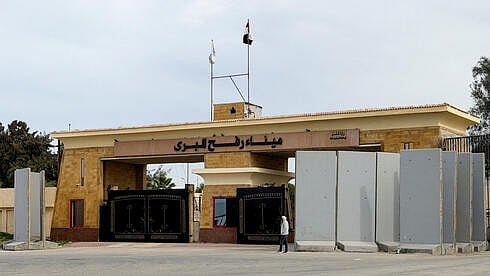
Israel has announced that it will reopen the Rafah border crossing with Egypt for limited pedestrian movement after nearly two years of closure, a development tied to the implementation of a fragile ceasefire and broader political pressures. The crossing — Gaza’s main gateway to the outside world and its civilian lifeline — has been largely sealed since Israeli forces took control of the Gazan side in May 2024 amid the Israeli crackdown on Hamas and civilians.
On Sunday, the Rafah crossing is expected to allow Palestinians to enter and exit the Gaza Strip, although strict vetting by Israeli and Egyptian authorities will remain in place and movement will be limited initially to people rather than goods. European Union border patrol agents are likely to help supervise operations at the crossing as part of international monitoring arrangements agreed under a broader peace plan framework.
The decision to reopen Rafah follows the recovery of the remains of the last Israeli hostage, police master sgt Ran Gvili, whose body was found in northern Gaza after an extensive Israeli military search. This recovery fulfilled a key condition of the US-brokered ceasefire plan, and cleared the way for the next phase of its implementation.
The ceasefire, initially agreed in October 2025 under the auspices of US President Donald Trump’s peace initiative, aimed to halt hostilities between Israel and Hamas after more than two years of intense conflict that erupted following Hamas' 7 October 2023 attack on Israel. Thousands of civilians were killed in Gaza, and the blockade of crossings like Rafah contributed to severe humanitarian distress.
Despite the truce, fighting and tensions continue in some parts of Gaza, and aid delivery remains insufficient compared with needs. International agencies and humanitarian groups have repeatedly called for a sustained and expanded reopening of crossings to allow for medical evacuations, essential travel and delivery of supplies.
Egypt has also been a key player in the Rafah negotiations. Cairo has pushed for a fully bidirectional opening without restrictions, arguing that Palestinians living in Egypt should also be able to return to Gaza freely. It has opposed proposals that might lead to forced displacement or restrictions that disproportionately allow exits over entries.
Hamas has echoed demands for a fully open Rafah crossing “without restrictions,” while Israeli officials continue to emphasise security vetting and inspection mechanisms at the border. There are also broader diplomatic discussions underway about the future governance of Gaza, the possible role of an international force, and reconstruction plans for the devastated territory.
The reopening of the Rafah crossing is seen by many Palestinians and observers as a symbolic step toward breaking Gaza’s isolation, but it remains part of a complex and fragile political process. How freely Gazans will be able to travel, obtain medical care outside the enclave, or engage in commerce in the months ahead will depend heavily on how the ceasefire’s next phases unfold and whether international guarantees are upheld.
With AP/PTI inputs
Join our official telegram channel (@nationalherald) and stay updated with the latest headlines