World
Japan’s lower house approves record ¥122 trillion budget amid opposition criticism
Government pushes fiscal 2026 spending plan through parliament despite complaints over shortened debate
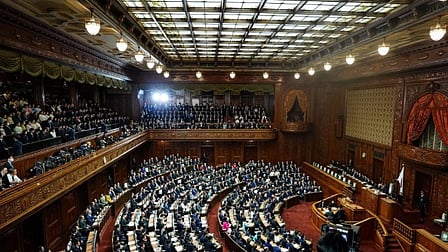
Japan’s lower house of parliament has approved a record-breaking national budget for the 2026 fiscal year, with the ruling coalition securing passage of the bill despite sharp criticism from opposition parties over the speed and manner of its deliberation.
The draft budget, worth more than ¥122.31 trillion (about $769 billion), represents the largest initial state budget in the country’s history. It also includes a defence allocation exceeding ¥9 trillion for the first time, setting another record and drawing attention amid ongoing debate over Japan’s security spending.
The budget was passed in the House of Representatives of Japan with the backing of the ruling coalition led by the Liberal Democratic Party. The bloc’s parliamentary supermajority enabled the bill to move forward despite objections from opposition groups.
Critics argue that the government forced the legislation through without sufficient scrutiny. Japanese media reported that deliberations on the budget lasted only around 59 hours in the lower house — the shortest discussion time for such a bill since 2000.
Opposition leaders said the limited debate prevented lawmakers from properly examining how public funds would be allocated under the spending plan.
Junya Ogawa, leader of the Centrist Reform Alliance, described the ruling party’s parliamentary tactics as “highly abnormal” and accused Prime Minister Sanae Takaichi of showing political arrogance in pushing ahead with the measure.
Meanwhile, Yuichiro Tamaki, head of the Democratic Party for the People, said a budget of such unprecedented scale should have been examined more thoroughly by lawmakers. He argued that the shortened deliberation process raised “serious problems” for parliamentary oversight.
Tomoko Tamura, chair of the Japanese Communist Party, also criticised the ruling bloc’s approach, describing it as an example of “power politics”.
Following its passage in the lower chamber, the budget bill will now move to the House of Councillors for further debate from Monday. The ruling coalition, which includes the LDP and the Japan Innovation Party, does not hold a majority in the upper house, raising the prospect of more intense parliamentary scrutiny.
Political observers note that deliberations on the national budget traditionally provide an important opportunity for both government and opposition lawmakers to question fiscal priorities and ensure transparent use of public funds. The process also serves as a key channel for the public to understand the government’s policy direction and spending plans.
With IANS inputs
Join our official telegram channel (@nationalherald) and stay updated with the latest headlines