World
‘Make a deal or face very traumatic consequences’: Trump warns Iran
India relies on West Asian oil and a large diaspora; any US-Iran escalation disrupts energy markets and regional stability
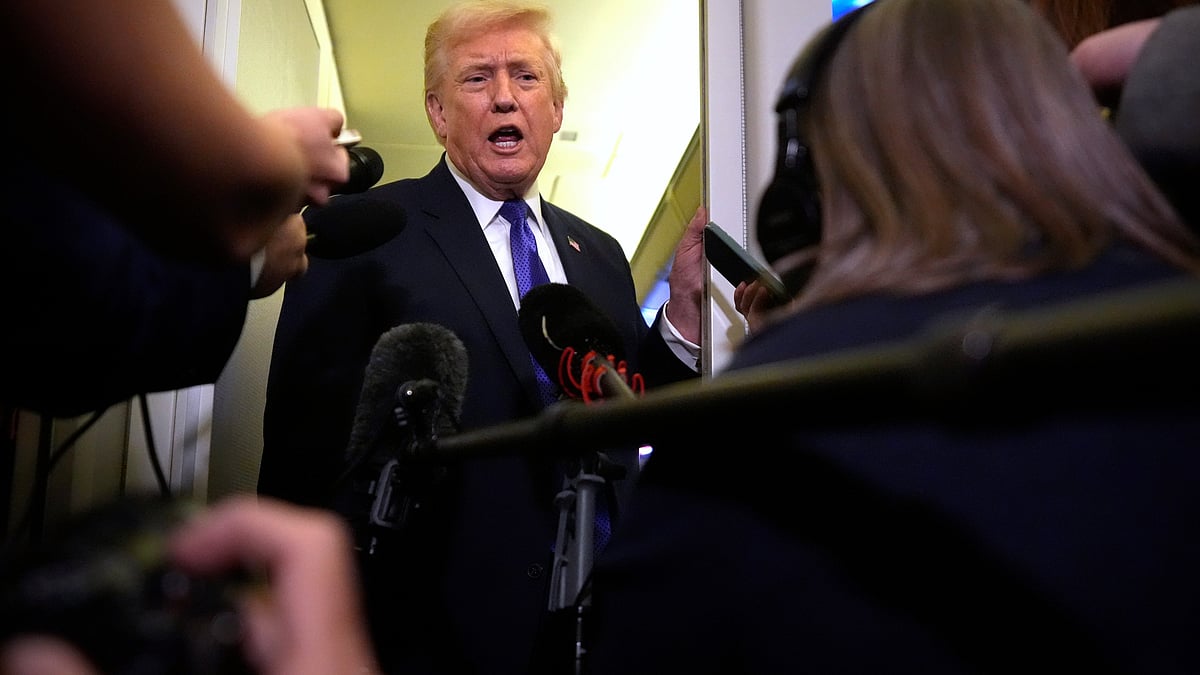
US President Donald Trump issued a stern warning to Iran, urging Tehran to swiftly reach a nuclear agreement or face consequences he described as “very traumatic”. Speaking to reporters at the White House, Trump conveyed a sense of urgency, emphasising that time was of the essence.
“We have to make a deal, otherwise it’s going to be very traumatic, very traumatic,” he said, his words underscoring the high stakes of the negotiations. “I don’t want that to happen, but we have to make a deal.” Pressed on a timeline, Trump indicated that progress should be rapid. “I guess over the next month, something like that — shouldn’t take, I mean, it should happen quickly. They should agree very quickly,” he said, signaling his expectation of swift resolution.
Trump also hinted at the gravity of the consequences if diplomacy falters. “If they don’t make a deal, then it’ll be a different story,” he warned, adding, “If the deal isn’t a very fair deal and a very good deal with Iran, then it’s going to be, I think, a very difficult time for them.” While he did not spell out the specifics, he alluded to a “Phase 2” that would be “very tough” on Tehran.
These remarks came a day after Trump’s high-profile meeting with Israeli Prime Minister Benjamin Netanyahu, reflecting the ongoing interplay of regional alliances and strategic considerations. “We had a very good meeting yesterday with Bibi Netanyahu and he understands, but it’s ultimately up to me,” Trump said, reiterating that the negotiations remain under his control.
Iran’s nuclear ambitions have remained a persistent flashpoint in West Asia, particularly since the United States withdrew from the 2015 nuclear deal during Trump’s first term. Since then, tensions over uranium enrichment, regional security, and diplomatic brinkmanship have continued to simmer.
For countries like India, the stakes are substantial. Stability in the Gulf is not only a matter of regional security but also of economic significance. India relies heavily on West Asian crude oil and sustains a sizeable expatriate population across the region. Any escalation between Washington and Tehran could ripple through energy markets and influence the broader strategic landscape.
Despite the sharp rhetoric, history suggests that US-Iran relations often oscillate between intense pressure and cautious diplomacy. Even amid warnings of “traumatic” outcomes, channels of negotiation have traditionally remained open, leaving room for potential breakthroughs even in turbulent times.
With IANS inputs
Join our official telegram channel (@nationalherald) and stay updated with the latest headlines