World
Man who assassinated former Japanese prime minister Shinzo Abe jailed for life
Court hands down sentence more than three years after killing that stunned Japan
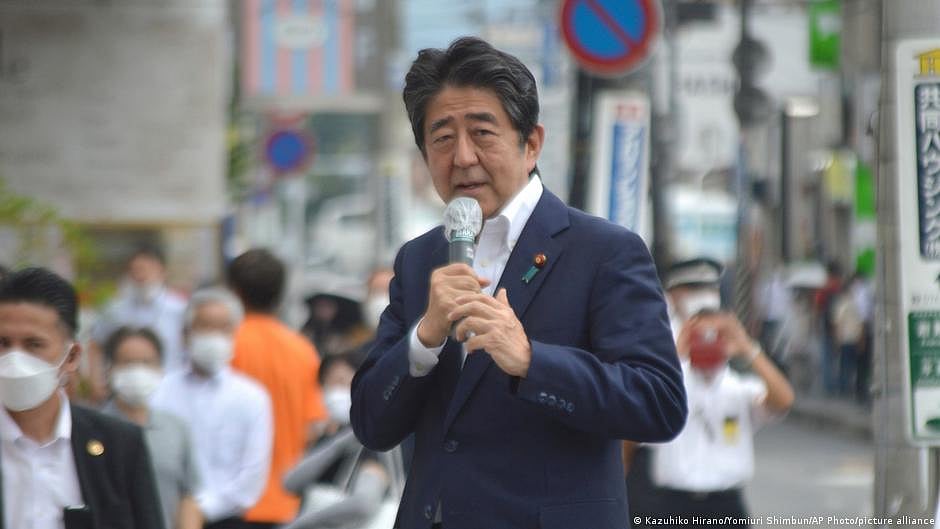
The man who shot dead Japan’s former prime minister Shinzo Abe has been sentenced to life imprisonment, bringing to a close a trial that revisited one of the most shocking crimes in the country’s post-war history.
Al Jazeera reported that Tetsuya Yamagami, 45, was convicted on Wednesday by a court in Nara, where Abe was killed during an election campaign speech in July 2022. The presiding judge, Shinichi Tanaka, imposed a life sentence, a penalty that in Japan allows for the possibility of parole, although many inmates never secure release.
Prosecutors had sought life imprisonment, describing the assassination as an unprecedented act that had profound consequences for Japanese society. They argued that the killing had shaken public confidence and exposed vulnerabilities in a country where gun crime is exceptionally rare.
During the trial, Yamagami admitted to the shooting and said he targeted Abe because of the former leader’s perceived links to the Unification Church. Prosecutors said Yamagami believed that killing such a prominent figure would draw attention to the organisation and intensify public criticism of it.
Defence lawyers had urged the court to limit any sentence to a maximum of 20 years, citing the hardship endured by Yamagami’s family, including financial difficulties after his mother donated substantial sums to the church. The court rejected that argument.
Public interest in the case remained intense, with people lining up on Wednesday morning for tickets to enter the courtroom. The assassination prompted widespread scrutiny of ties between politicians in the long-ruling Liberal Democratic Party (LDP) and the Unification Church, which many in Japan regard as a cult.
An internal LDP inquiry later found that more than 100 lawmakers had some form of contact with church-linked groups, fuelling public anger and contributing to a decline in support for the party, which has governed Japan for most of the period since the second world war.
Japanese media reported that Yamagami told the court he had directed his anger at Abe after the former prime minister sent a video message to an event organised by an affiliate of the church.
Founded in South Korea in 1954, the Unification Church is known for its mass wedding ceremonies and has long relied on Japanese followers as a major source of funding.
Abe, who served as prime minister for a total of 3,188 days across two terms, was a polarising figure at home but highly influential abroad. He was among the few world leaders to forge a close personal relationship with US president Donald Trump, becoming the first foreign leader to meet him after his election in 2016.
Although Abe stepped down in 2020 for health reasons, his political legacy continues to shape Japan. His former protégé, Sanae Takaichi, now leads the country and the LDP, though the party’s hold on power has weakened after losing its majorities in both houses of parliament.
Join our official telegram channel (@nationalherald) and stay updated with the latest headlines