World
Migrant influx overwhelms Spanish enclave of Ceuta, 34 dead
Human trafficking and legal rulings fuel migrant surge in Spanish territory
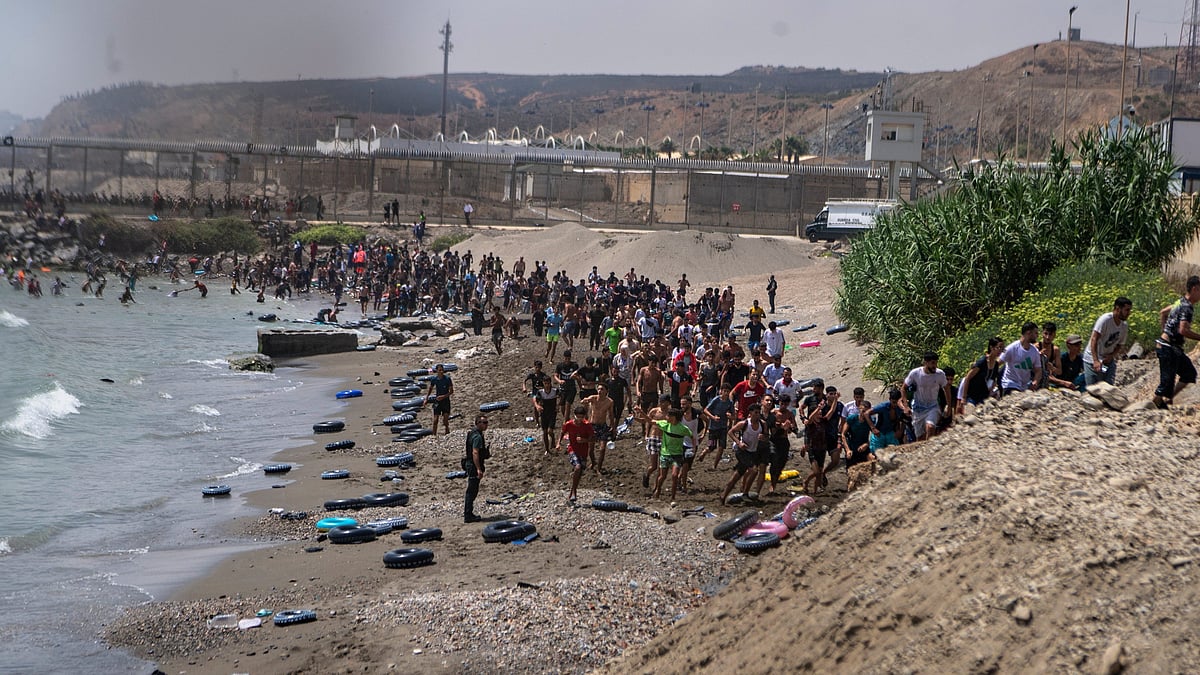
In a sudden and unprecedented border breach, approximately 60,000 migrants crossed into the Spanish territory of Ceuta from neighbouring Morocco in the last 24 hours. This is equal to about 70 per cent of the city’s normal population. At least 34 migrants have lost their lives in the perilous attempt, mostly due to drowning and crowd surges on the border fence at Tarajal beach.
Ceuta, a small Spanish exclave situated on the northern coast of Africa, has been a point of migration for years, serving as a gateway to Europe. Its historically mixed population of Spanish and Moroccan residents has generally coexisted peacefully. However, the recent surge has pushed local authorities and humanitarian systems to their limits.
Ceuta’s president Juan Jesús Vivas described the situation as “absolutely unsustainable”, highlighting the enormous strain on the city’s resources and infrastructure. Spanish Prime Minister Pedro Sánchez condemned the incident as “a violation of Spain’s territorial integrity,” attributing the crisis to human traffickers who exploit vulnerable migrants, many of whom are young and desperate for better opportunities.
Eyewitness accounts and live footage revealed Moroccan security forces blocking migrants with tear gas and water cannons on the Moroccan side, though many still managed to swim or cross on foot. Human rights activists reported thousands of migrants, including unaccompanied minors, now sleeping outdoors in the city, creating a burgeoning humanitarian crisis.
Authorities believe the surge was partly fuelled by a recent Spanish Supreme Court ruling protecting migrants arriving by sea from immediate deportation—a regulation human smugglers allegedly misinterpreted as an opportunity to flood the border en masse.
Morocco’s ambassador to Spain expressed hope the migrants would eventually return, but officials in both Ceuta and Madrid warn the situation remains volatile as more migrants continue to attempt crossing despite heightened security measures.
Ceuta is one of two Spanish territories on the North African coast (the other being Melilla) that serve as European Union borders with Africa. Due to their geographical location, they are often flashpoints in migration flows from Africa to Europe.
The current crisis underscores the complex and enduring challenges of migration in the region, blending humanitarian, political and security concerns.
Join our official telegram channel (@nationalherald) and stay updated with the latest headlines