World
Nepal: Fresh avalanche leaves 10 missing, revives Rasuwa trauma
Latest avalanche comes weeks after devastating glacier collapse and floods as scientists warn warming is destabilising the Himalayan landscape
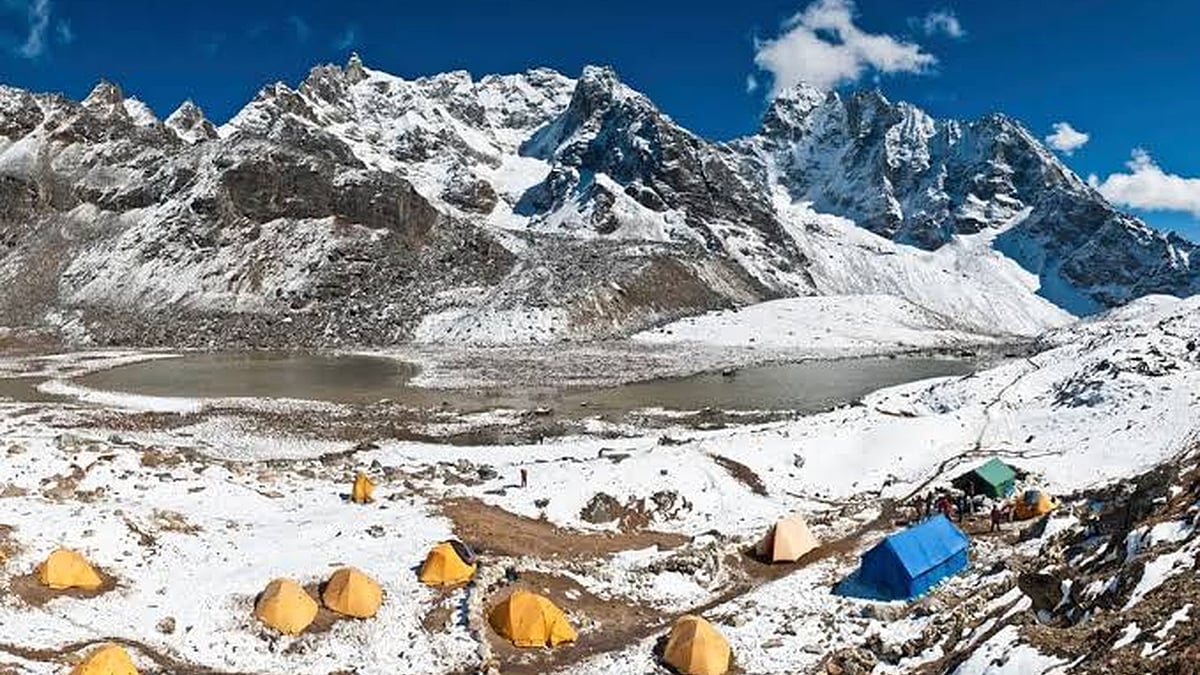
Ten climbers and support staff are missing after an avalanche struck the base camp of 7,126-metre Himlung Himal in Nepal’s Manang district
The incident comes weeks after a massive rock-and-ice collapse in Nepal triggered catastrophic flooding that killed more than 1,400 people and left thousands missing
Scientists have linked the August disaster to warming-driven glacier thinning and permafrost thaw, highlighting growing climate risks in the Himalayas
Ten climbers and support staff are missing after an avalanche struck the base camp of Himlung Himal in Nepal’s Manang district, the latest in a series of disasters to hit the Himalayan nation amid increasingly volatile weather and growing climate risks.
The avalanche struck the base camp of the 7,126-metre peak in the Nar Phu area, burying tents and cutting off contact with 10 people, according to the Expedition Operators Association Nepal. Eight of those missing are associated with Himalayan Holidays Nepal and two with Imagine Nepal.
Ram Krishna Lamichhane, director general of the Department of Tourism, said authorities were monitoring the situation and working to gather details and locate those unaccounted for. Their identities have not yet been established. Persistent rain and snowfall have affected several of Nepal’s mountain districts in recent days, with authorities warning of avalanche and flash-flood risks.
The incident comes barely a month after a far deadlier mountain disaster in Nepal. On 26 August, a massive rock-and-ice collapse on the Langtang Lirung mountain triggered a high-speed debris flood that swept through communities and infrastructure in the Rasuwa district and across the Nepal-China border.
More than 1,400 people have been reported dead in that disaster, while thousands remain missing. Nepal’s disaster authorities have reported extensive damage to homes, hydropower infrastructure and other facilities along the affected corridor.
The August disaster has since been linked to climate change by an international group of scientists. A World Weather Attribution assessment found that long-term warming had contributed to glacier thinning, permafrost degradation and increased meltwater, helping destabilise the mountain landscape. Researchers stressed that the disaster resulted from a combination of climatic and geological factors rather than a single cause.
Scientists and climate experts have warned that warming is increasing risks across the Himalayas. Higher temperatures can accelerate glacier retreat and thaw frozen ground that helps stabilise mountain slopes, while changes in precipitation can add further stress to already fragile terrain. The result is a greater potential for cascading hazards involving avalanches, landslides, glacial collapses and floods.
The latest Himlung Himal avalanche does not, on its own, establish a direct link to climate change. However, it comes against the backdrop of persistent warming and a succession of extreme mountain disasters in Nepal this year, making the vulnerability of the Himalayan region increasingly difficult to ignore.
The scale of the August catastrophe has also prompted Nepal to seek greater international support for climate adaptation and disaster resilience, as the country faces the consequences of climate change despite contributing relatively little to global greenhouse gas emissions.
Join our official telegram channel (@nationalherald) and stay updated with the latest headlines