World
Nepal plans flood warning systems, glacial lake mitigation after deadly floods
Government will invest $49.9 million in a 2026–2033 project to lower water levels in four high-risk glacial lakes and reduce GLOF risks
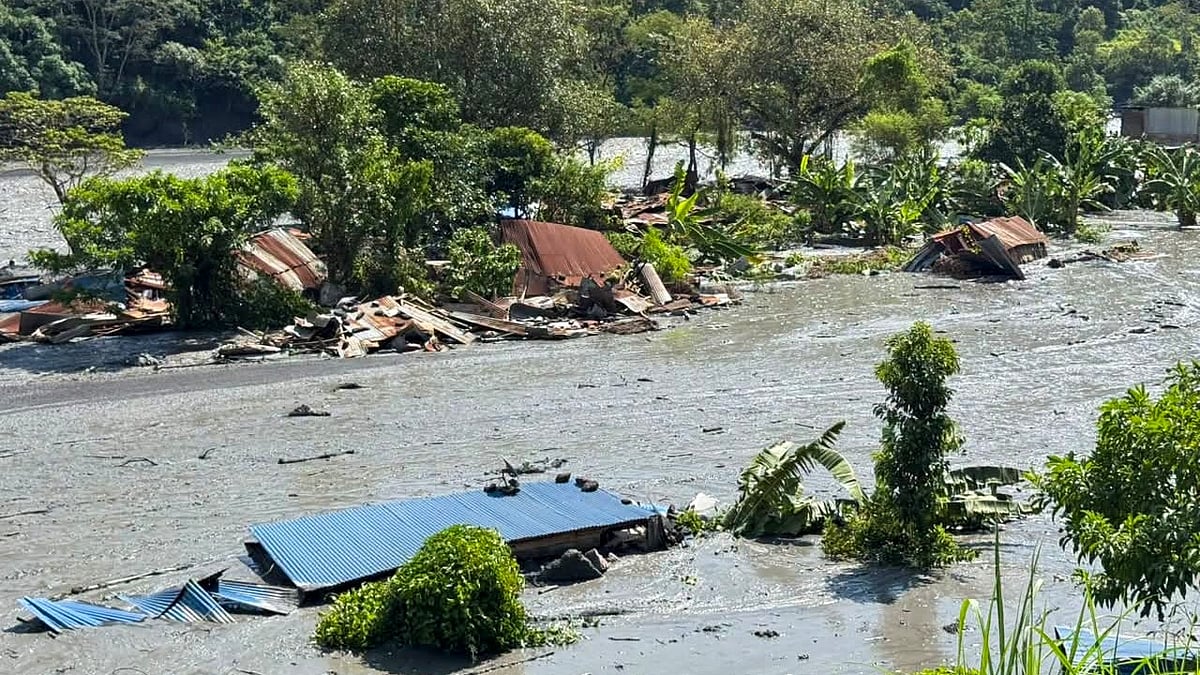
Nepal plans to install flood early warning systems across six major river basins, with round-the-clock forecasting during the monsoon season
The government will invest $49.9 million in a 2026–2033 project to lower water levels in four high-risk glacial lakes and reduce GLOF risks
Nepal will prioritise AI, machine learning and high-performance computing to improve flood forecasting and disaster preparedness amid rising climate risks
The Nepali government plans to expand flood early warning systems across six major river basins and reduce water levels in four high-risk glacial lakes as part of efforts to strengthen disaster preparedness following the devastating floods of 26 August.
The initiatives come amid growing concerns over climate-related disasters in the Himalayan region, where rising temperatures are accelerating glacier melt and increasing the risks of glacial lake outburst floods (GLOFs).
According to the government's preliminary Rapid Damage and Needs Assessment (RDNA), the recent floods claimed around 1,500 lives, while more than 5,000 people remain missing. The disaster also caused an estimated $1.81 billion in damage to physical assets.
The floods severely affected the Bhotekoshi and Trishuli river basins, damaging hydropower projects, solar energy facilities, electricity transmission infrastructure and transport networks. The energy sector, particularly hydropower, was among the hardest hit.
According to a government white paper, the government will install flood early warning systems across six river basins under the Priority River Basin Flood Risk Management Project. Running from 2022 to 2028, the project has an investment of $7.54 million.
The project covers the Mawa-Ratuwa, Bakraha, Lakhandehi, East Rapti, West Rapti and Mohana-Khutiya river basins.
The government also plans to provide round-the-clock flood forecasting and early warning services from mid-May to mid-October, covering the country's principal monsoon season.
In a parallel initiative, Nepal will implement the Glacial Lake Outburst Flood (GLOF) Sanjeevani Project to reduce water levels in four high-risk glacial lakes: Thulagi in Manang district, Lower Barun in Sankhuwasabha district, and Lumding Tsho and Hongu-2 in Solukhumbu district.
Scheduled to run from 2026 to 2033, the project has an estimated budget of $49.9 million. It aims to reduce the threat posed by unstable glacial lakes, which can release large volumes of water and debris downstream, threatening communities and critical infrastructure.
Nepal has previously undertaken similar risk-reduction measures at Tsho Rolpa in Dolakha district and Imja Lake in Solukhumbu district, where water levels were lowered to mitigate the threat of glacial lake outburst floods.
Meanwhile, the Department of Hydrology and Meteorology plans to prioritise artificial intelligence, machine learning and high-performance computing to improve the accuracy and reliability of weather forecasts and flood warnings.
Together, the planned measures are intended to strengthen Nepal's capacity to anticipate and respond to floods and other climate-related hazards, particularly in vulnerable Himalayan communities and river basins.
With IANS inputs
Join our official telegram channel (@nationalherald) and stay updated with the latest headlines