World
Nepal’s hydropower gamble laid bare by deadly floods as experts call for energy diversification
Almost all of Nepal’s electricity comes from hydropower, but catastrophic flooding has damaged more than 10% of its generation capacity
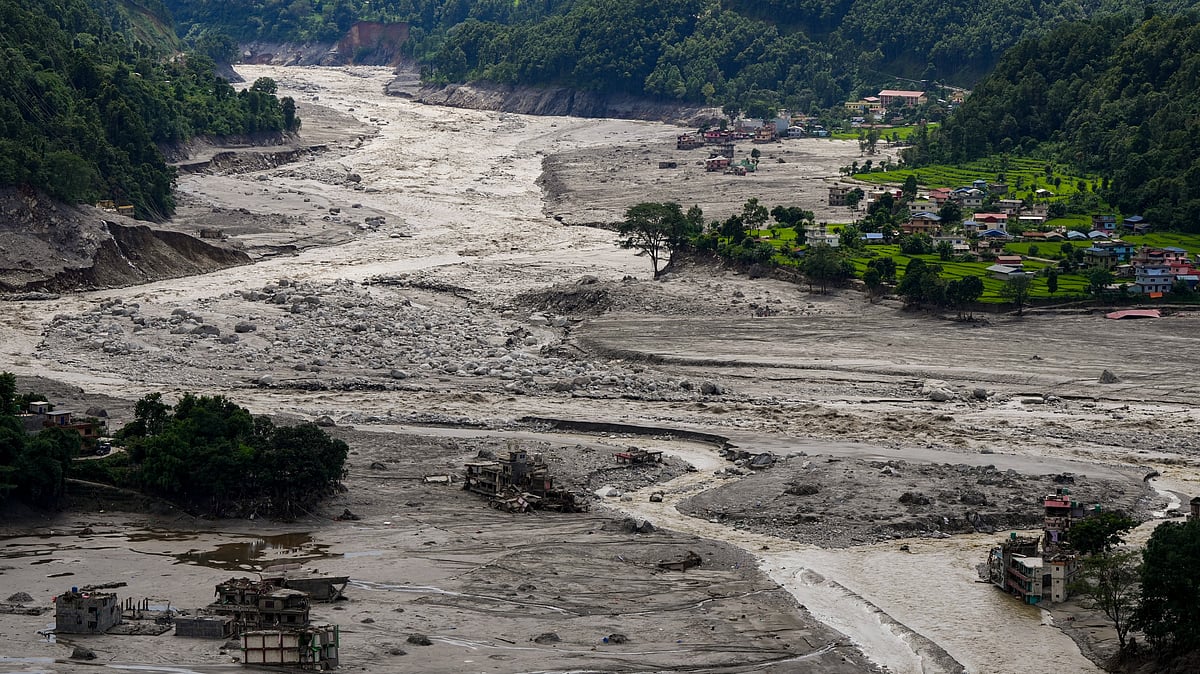
Nepal’s decades-long push to harness its rivers for electricity has transformed the country’s power supply, but devastating floods have exposed the risks of relying so heavily on hydropower in a rapidly warming Himalayan environment.
Almost 100% of Nepal’s electricity comes from hydropower, and the country now earns nearly $200 million a year by exporting electricity to India and Bangladesh. But last week’s catastrophic floods severely damaged 12 hydropower plants in the Trishuli River basin, wiping out more than 10% of the country’s total power generation capacity. Operators are still uncertain when some of the facilities can resume operations.
The disaster killed more than 1,300 people and left thousands missing, while entire villages near the Nepal-Tibet border were destroyed.
The state-owned Nepal Electricity Authority (NEA), which owns six of the 12 damaged plants, has assured households that electricity supplies remain adequate. But its spokesman Rajan Dhakal acknowledged that the increasing frequency of climate-related disasters means Nepal needs to reconsider its hydropower strategy.
“the time has come for a rethink of our hydropower policy”, Dhakal said.
From power shortages to hydropower dependence
Nepal’s dependence on hydropower grew out of a severe electricity shortage.
In 2010, only around two-thirds of the population had access to electricity, while even connected households could face power cuts lasting up to 16 hours a day. Expansion of hydropower, combined with efforts to tackle corruption and increased electricity imports from India, helped transform the situation.
By 2018, most of Nepal was receiving round-the-clock electricity.
Today, the country has 225 hydropower plants with more than 3,900MW of installed capacity, enough to supply around three million households simultaneously. Hundreds of additional projects are under construction or in the pipeline.
But many of these plants are located high in the mountains, close to fast-flowing rivers and glaciers.
Those same areas are experiencing rapid warming. High-altitude parts of the Himalayas are warming at about 50% faster than the global average, while preliminary investigations into the latest floods have pointed to a collapsed glacier and its bedrock as a possible trigger. Scientists, however, say it is too early to establish a definitive link between the disaster and climate change.
Plants and workers exposed to extreme risks
The recent floods have highlighted not only the vulnerability of power infrastructure but also the risks faced by people working and living around hydropower projects.
Potentially hundreds of labourers, engineers and residents are believed to have been trapped inside mud-filled tunnels since the floods struck.
Former Energy Minister Kulman Ghising said the disaster should prompt changes in the way plants are designed and where they are located.
“We need to design the plants [to be more] resilient to the floods and, most importantly, adopt early-warning systems as well as robust emergency evacuation measures,” he told Mongabay.
One possible change could involve greater use of reservoir-based plants that can store water and release it when required. Such facilities would not necessarily have to be built high in the mountains, although they would carry their own economic and environmental costs.
Calls to diversify beyond hydropower
The scale of the damage has renewed calls for Nepal to diversify its electricity mix.
Renewable energy expert Kushal Gurung said the country should not rely almost entirely on a single source of power.
“We should not be putting all our eggs in one basket in these dangerous times,” he said, arguing for greater investment in solar and wind power.
Researcher Vivek Shastry of Columbia University’s Center on Global Energy Policy similarly described additional wind and solar capacity as a resilience measure that could reduce the risk of widespread electricity failures.
A report by the German aid agency GIZ estimates that Nepal’s technical potential for solar power generation is around 10 times greater than its hydropower potential.
However, hydropower remains Nepal’s major competitive advantage, according to energy researchers. Puspa Sharma of the National University of Singapore’s Institute of South Asian Studies said diversification into other renewable sources would only go so far because of the country’s enormous hydropower potential.
A warning from past disasters
The Trishuli basin has experienced repeated extreme events in recent years.
In September 2024, an unprecedented cloudburst over the Trishuli and Bhote Koshi river basins triggered flash floods in Rasuwa, Nuwakot and Dhading. In July 2025, a glacial lake in Tibet’s Gyirong county burst, sending floodwaters down the same river system into Nepal, killing at least 11 people and damaging critical infrastructure.
The repeated disasters have raised questions about whether existing climate risk assessments are being adequately reflected in the design and operation of hydropower projects.
Dhakal acknowledged that even where risk assessments had been carried out, plants may not have been designed accordingly.
“Clearly we will need to improve in the way we build and operate our hydropower plants,” he said.
Private operators are also facing growing financial pressures. Insurers have paid around $40 million for flood-related damage to more than 20 privately owned hydropower plants over the past three years, with rising insurance premiums now threatening to make some projects economically unviable.
For Nepal, the challenge is therefore no longer simply how to generate more electricity from its rivers, but how to build an energy system capable of withstanding the increasingly unpredictable environment in which those rivers flow. As climate risks cross borders, Nepal’s climate negotiators say the country cannot be expected to manage them alone.
Join our official telegram channel (@nationalherald) and stay updated with the latest headlines