World
NYT sues Pentagon over US defence secretary Pete Hegseth's media rules
Paper says new Pentagon rules curb press freedom and let Hegseth bar journalists he dislikes
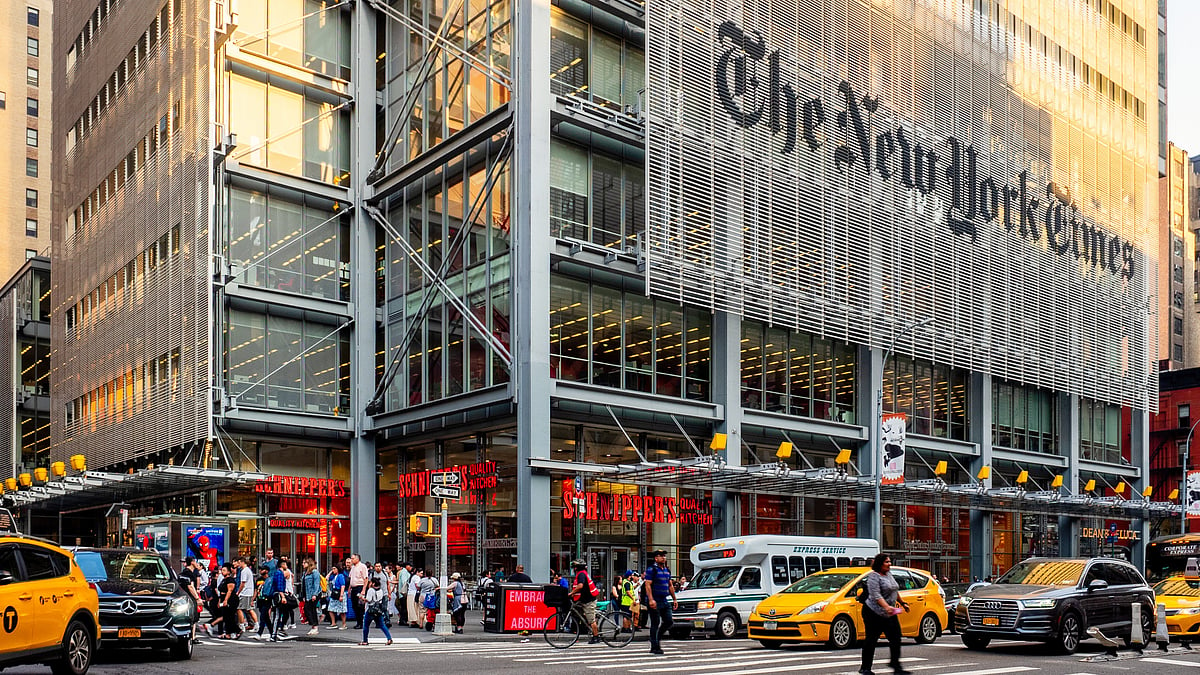
The New York Times has taken the extraordinary step of dragging the Pentagon to court, seeking to strike down a controversial set of media-access rules imposed by US defence secretary Pete Hegseth — rules that have, in effect, emptied the building of most mainstream news outlets.
In a complaint filed in the US District Court in Washington, the newspaper argues that Hegseth’s policy flouts constitutional guarantees of free speech and due process by handing a single cabinet official sweeping authority to decide, unilaterally, which journalists are allowed through the door. Rather than sign off on the new access terms, outlets including the Times packed up and left the Pentagon press corridor altogether.
What remains is a media landscape inside the defence department that looks markedly different: the briefing room is now dominated by conservative organisations that acquiesced to the rules. Those same outlets were invited to Tuesday’s on-camera briefing with Hegseth’s press secretary, while the legacy press watched from the outside.
“This policy is nothing more than an effort to control coverage the government finds uncomfortable,” said Times spokesperson Charles Stadtlander. The Pentagon, for its part, had nothing to say immediately about the lawsuit.
Locked out or not, the excluded organisations have continued reporting aggressively on defence issues from beyond the Pentagon’s walls. Over the past week, they have been at the forefront of scrutiny over Hegseth’s involvement in US strikes on vessels suspected of drug smuggling — including a second strike launched after survivors had been sighted.
Still, the Times argues that being barred from the building materially harms its ability to cover the military. Because the new rules empower Hegseth to strip credentials from any reporter working on a story he dislikes — even if no classified information is involved — the policy creates a clear chilling effect, the lawsuit contends. The newspaper’s lawyers warn that similar access restrictions could easily spread to other federal departments if left unchallenged.
The Pentagon insists the policy merely lays out “common-sense” safeguards to prevent the release of information that could endanger service members. At Tuesday’s briefing, press secretary Kingsley Wilson dismissed the absence of mainstream media entirely.
“The American people don’t trust these propagandists — they stopped telling the truth,” Wilson declared. “We’re not begging the old gatekeepers to return, and we’re certainly not rebuilding a broken model just to satisfy them.”
Major outlets with national reach — including the Associated Press, Washington Post and CNN — requested access to Wilson’s briefing. Their requests were rejected on the grounds that the session was reserved for credentialled reporters.
The Times is now pointing to Wilson’s “propagandists” remark as proof that the Pentagon is discriminating on the basis of viewpoint. That line of argument mirrors the AP’s separate legal battle to stop US President Donald Trump from blocking its journalists from Oval Office and Air Force One events — though AP reporters still retain general White House access, unlike Times journalists now shut out of the Pentagon entirely.
The lawsuit has been filed on behalf of the Times and one of its national security correspondents, Julian E. Barnes. The named defendants are the defence department, Hegseth himself, and Pentagon chief spokesperson Sean Parnell.
In a statement, the Pentagon Press Association welcomed the challenge, saying it was “encouraged by the Times’ effort to step up and defend press freedom. The Defence Department’s attempt to dictate how credentialled journalists gather information — and what they may publish — runs counter to the principles of a free press and is forbidden by the First Amendment”.
Although proceeding solo to expedite the case, the Times said it would gladly receive support from fellow news organisations as the legal fight unfolds.
With AP/PTI inputs
Join our official telegram channel (@nationalherald) and stay updated with the latest headlines