World
Pakistan emerging as conduit for China’s defence ambitions in West Asia, says report
The Middle East Forum argued that Pakistan’s deepening defence integration with China is allowing Beijing to widen its military footprint
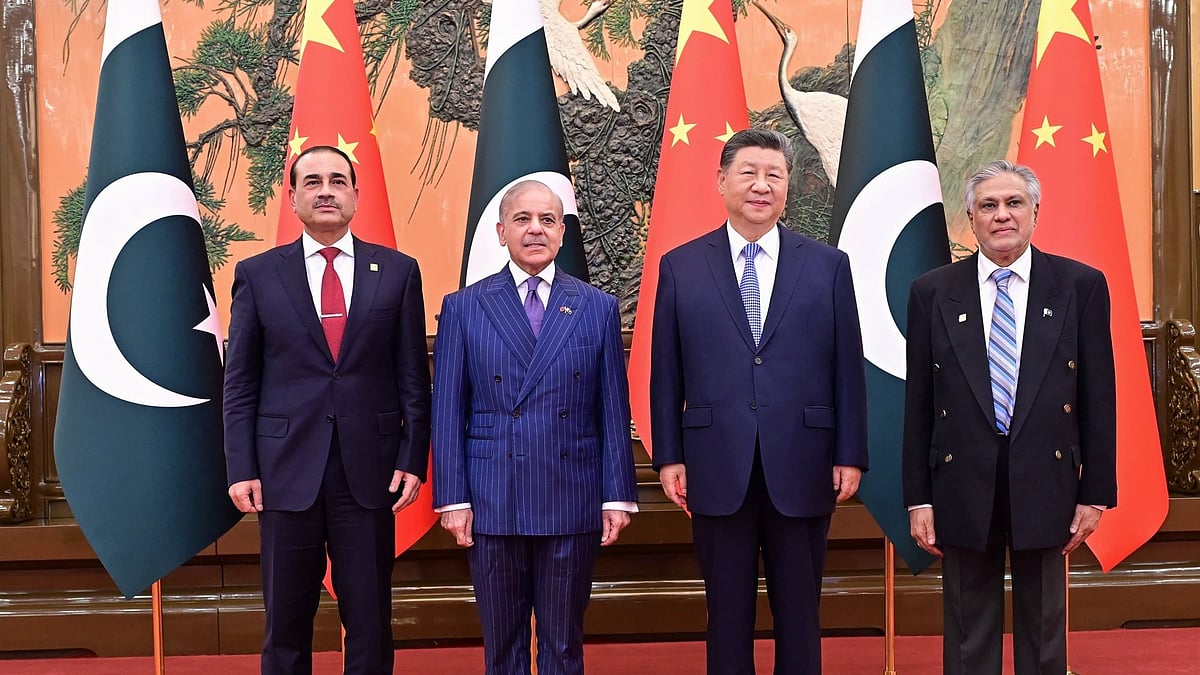
China is increasingly using Pakistan as a strategic channel to expand its defence presence in the West Asia and adjoining regions, according to a report by a US-based think tank, which points to Islamabad’s growing role in promoting Chinese-origin military platforms abroad.
The report, published by the Middle East Forum, argues that Pakistan’s deepening defence integration with China is allowing Beijing to widen its military footprint while remaining one step removed from direct diplomatic scrutiny. It cites a recent defence agreement between Pakistan and Libya’s Libyan National Army, involving 16 JF-17 fighter jets, training aircraft and a wider military package reportedly valued at more than $4 billion, as an example of this trend.
The proposed Libya deal has triggered concern because it could weaken the United Nations arms embargo, alter the balance in Libya’s conflict and intensify wider geopolitical tensions, the report says. It also raises questions about the legitimacy of the force receiving the equipment.
According to the think tank, defence, intelligence and security cooperation between China and Pakistan has expanded sharply in recent years. Citing data from the Stockholm International Peace Research Institute, it notes that more than 80 per cent of Pakistan’s arms imports between 2021 and 2024 came from China, underlining Islamabad’s increasing reliance on Chinese military hardware.
While Pakistan still operates some US-made platforms, including F-16 fighter jets, the report says the bulk of its current inventory is now Chinese in origin. It argues that Islamabad is actively marketing the JF-17 fighter aircraft, which it co-produces with China, alongside other Chinese systems such as drones, air defence platforms including the HQ-9, and associated military equipment.
The report also points to a wider pattern of defence outreach by Pakistan across the region. It says recent media reports indicate discussions or proposed military deals with countries including Iraq, Bangladesh, Indonesia, Saudi Arabia, Libya, Morocco, Nigeria, Sudan and Ethiopia.
Published: undefined
Chinese media reports, it adds, have suggested that Pakistan may be close to concluding multiple JF-17 export agreements with some of these countries. The aircraft is also being showcased more aggressively through defence exhibitions, military diplomacy and broader security engagement across the region.
One possible arrangement flagged in the report involves Saudi Arabia acquiring JF-17s from Pakistan under a financial understanding linked to the $2 billion support extended by Riyadh to Islamabad. However, it notes that no such agreement has yet been finalised, largely because of concerns over the quality of Chinese weapons, compatibility with existing US-origin systems and broader financial constraints.
Even so, the report argues that China’s strategy is becoming clearer: to use Pakistan as an entry point into regional defence markets. “Pakistan’s promotion of these systems supports China’s broader defence-industrial presence and strategic objectives,” it says.
The report further suggests that shifting security equations in the Middle East, particularly after the recent US-Iran memorandum of understanding, could create fresh openings for Chinese-origin systems marketed through Pakistan. It points to Pakistan’s dispatch of defence equipment, troops and JF-17 fighter jets to Saudi Arabia under bilateral defence commitments after the ceasefire as a sign of how Chinese military hardware could gain greater visibility in the region.
With IANS inputs
Published: undefined
Join our official telegram channel (@nationalherald) and stay updated with the latest headlines
Published: undefined