World
Asif’s Kolkata threat probed; agencies suspect terror incitement in Bengal
A senior official says any cross-border terror attack from Pakistan will be treated as an act of war
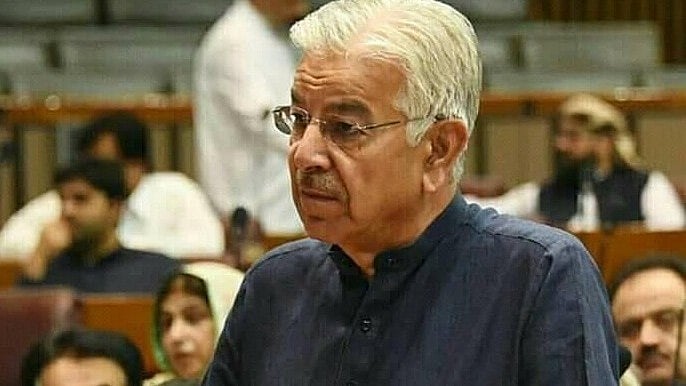
India’s security agencies are closely scrutinising recent remarks by Pakistan’s defence minister Khawaja Asif, who referenced Kolkata while warning of retaliation in the event of any alleged “false flag operation” by India.
“If India tries to stage any false flag operation this time, then God-willing, we will take it to Kolkata,” Asif said, triggering concern within Indian security circles. A false flag operation refers to a covert act carried out to appear as though it was executed by another party, often used to justify retaliation or shape public perception.
Officials and analysts in India interpret Asif’s remarks as part of a broader attempt to project a defensive posture while portraying India as the aggressor on the global stage.
A senior official said New Delhi’s position remains unchanged: any cross-border terror attack originating from Pakistan would be treated as an act of war. “The doctrine is clear. If Pakistan indulges in any misadventure, India will respond decisively, as it did during Operation Sindoor,” the official said, adding that dialogue would only resume once Islamabad dismantles terror infrastructure.
Another official linked the timing of Asif’s statement to the ongoing election process in West Bengal, suggesting it could be an attempt to incite extremist groups to disrupt polling. Intelligence inputs indicate that outfits such as Harkat-ul-Jihad Islami (HuJI) and Jamaat-ul Mujahideen Bangladesh (JMB) may be exploring plans to carry out attacks in poll-bound regions, including West Bengal and Assam.
According to intelligence sources, Pakistan has been attempting to activate networks linked to Bangladesh-based terror groups, with the aim of destabilising the region and straining ties between India and Bangladesh. Recent improvements in bilateral cooperation — particularly on security and curbing illegal infiltration — have reportedly frustrated Islamabad.
Officials also warned that Asif’s explicit reference to Kolkata could indicate a broader strategy to build a narrative of Indian aggression, thereby justifying any potential hostile action. “He is running a narrative to legitimise an attack while shifting blame onto India,” a senior official said.
The remarks come against the backdrop of internal challenges within Pakistan, including ongoing conflicts with groups such as Tehreek-e-Taliban Pakistan (TTP) and Balochistan Liberation Army (BLA), as well as pressure from extremist outfits seeking operational backing. Officials said Pakistan’s establishment may be looking to orchestrate a high-impact incident to boost morale among such groups.
While Islamabad has not formally escalated its position beyond Asif’s statement, Indian agencies remain on high alert, monitoring potential threats and cross-border linkages as election-related security concerns intensify in eastern and northeastern regions.
With IANS inputs
Join our official telegram channel (@nationalherald) and stay updated with the latest headlines