World
Rubio cites India’s energy needs, US ties to defend Russia sanctions waiver
US secretary of state says countries cannot replace Russian supplies overnight, warns of economic fallout from overlapping sanctions and tariffs
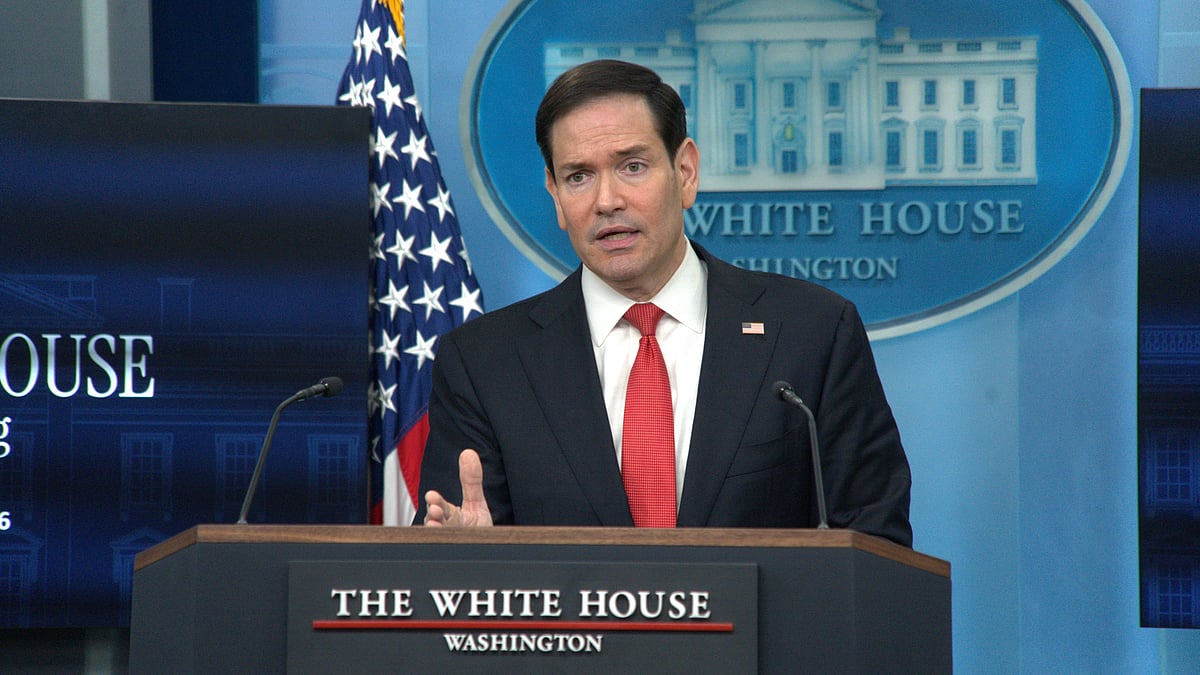
Marco Rubio defended a 60-day waiver on Russia-linked sanctions, citing India’s importance to Washington and its continued reliance on Russian energy.
The US secretary of state warned that enforcing sanctions and tariffs together could compound pressure on the global economy.
His remarks followed criticism from Republican Senator Ted Cruz, who argued that the waiver would benefit Vladimir Putin.
US Secretary of State Marco Rubio has defended President Donald Trump’s decision to grant a 60-day waiver from Russia-linked sanctions, pointing to India’s energy requirements and its importance as a partner to Washington.
Speaking to reporters at Joint Base Andrews on Saturday, Rubio said the administration needed time to assess how sanctions and associated tariffs would affect energy-importing countries and the wider global economy.
His comments came after Republican Senator Ted Cruz criticised the waiver as a mistake that would benefit Russian President Vladimir Putin.
Rubio argued that the measures extended beyond Russia because they also included tariffs affecting countries such as India. Enforcing both simultaneously, he suggested, required careful consideration of their combined economic consequences.
He acknowledged that India had taken steps to broaden its energy sources but said replacing Russian supplies could not happen immediately.
Countries such as India had “voluntarily diversified their energy portfolio”, Rubio said, but continued to obtain substantial supplies from Russia because an abrupt switch was difficult. He described India as an important US ally and partner.
The secretary of state linked the decision to mounting uncertainty across international energy markets. He cited the conflict involving Iran, disruption around the Strait of Hormuz, Houthi attacks on Saudi Arabia and damage to energy infrastructure during the Russia-Ukraine war.
Together, these developments were putting pressure on oil and diesel prices and complicating decisions about when and how to enforce sanctions, he said.
Rubio said Trump intended to use the waiver period to determine an appropriate combination of measures, arguing that the legislation’s waiver provisions allowed time to examine their consequences.
Asked whether the waiver and a separate arrangement involving Russian diesel amounted to concessions to Putin, Rubio rejected the suggestion that restricting American access would keep those supplies off international markets. Russian diesel would find buyers regardless, he argued.
He also pointed to an earlier 60-day waiver involving Russian oil during difficulties affecting shipping through the Strait of Hormuz.
Rubio acknowledged that Americans were facing higher energy costs, but said some other countries were experiencing substantially greater economic strain as conflicts increasingly affected global trade and supplies.
India has maintained that its energy purchases are determined by domestic requirements, affordability and security of supply. Russian crude became a significant part of its imports following the disruption to global energy markets after Russia invaded Ukraine in February 2022.
With IANS inputs
Join our official telegram channel (@nationalherald) and stay updated with the latest headlines