World
Six killed in Qom airstrikes as Trump pauses attacks on Iran energy sector till 6 April
Senior Iranian official told Reuters that a US proposal aimed at ending the conflict had been received but described it as “one-sided and unfair”
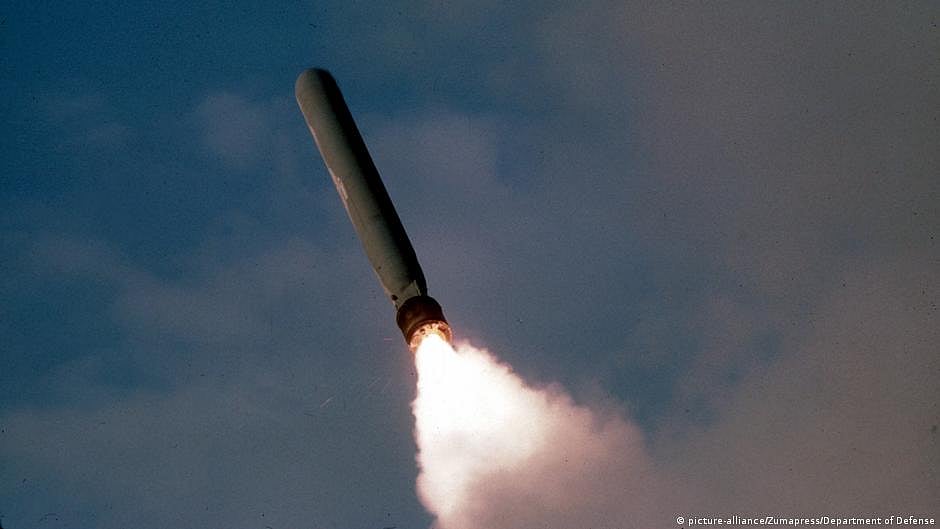
US President Donald Trump has delayed planned strikes on Iran’s energy infrastructure for 10 days, signalling a temporary pause in escalation while insisting that negotiations with Tehran are progressing positively despite continued violence across the region.
In a social media post on Thursday, Trump said the United States would hold off on targeting Iranian energy facilities until 6 April, extending a deadline tied to Washington’s demand that Iran reopen the Strait of Hormuz, a critical artery for global oil shipments. The move came hours after he warned during a cabinet meeting that the US could intensify pressure if Tehran failed to agree to terms.
“Talks are ongoing… and they are going very well,” Trump said, pushing back against reports suggesting negotiations had stalled. However, his optimistic assessment appeared at odds with signals from Tehran. An unnamed senior Iranian official told Reuters that a US proposal aimed at ending the conflict had been received but described it as “one-sided and unfair”, indicating little immediate prospect of a breakthrough.
The diplomatic manoeuvring has unfolded against a sharply deteriorating security backdrop. Iran’s Revolutionary Guards said on Friday that they had carried out a wave of missile and drone strikes the previous day targeting sites in Israel as well as military facilities in Gulf countries hosting US forces, including the United Arab Emirates, Qatar, Kuwait and Bahrain.
According to statements carried by Iranian state news agencies, the operation involved long- and medium-range missiles alongside what were described as “destructive and roaming drones”. Among the targets cited was a maintenance facility associated with the US-made Patriot air defence system in Bahrain, underscoring the direct risks to American military assets in the region.
The widening scope of the conflict reflects an increasingly complex and volatile regional picture. Israel has stepped up its ground operations in southern Lebanon against Hezbollah, the Iran-backed militant group, deploying additional troops in a move that raises fears of a broader confrontation along its northern border.
At the same time, the United States has reinforced its military presence in nearby areas, with thousands more troops reportedly moving towards the region in anticipation of further escalation. These deployments have heightened concerns of a direct confrontation between US and Iranian forces.
Iran, meanwhile, has tightened its grip on the Strait of Hormuz, through which a significant portion of the world’s oil supply passes. Any disruption to shipping in the narrow waterway has immediate global consequences, and energy markets have already reacted with rising prices amid fears of prolonged instability.
The current phase of the conflict began on 28 February, when the United States and Israel launched coordinated strikes after negotiations over Iran’s nuclear programme collapsed without agreement. Since then, the violence has spread beyond its initial flashpoints, drawing in multiple countries and resulting in thousands of casualties.
Despite the mounting toll and expanding theatre of operations, both Washington and Tehran appear entrenched in their positions. Trump has maintained that pressure will continue until a deal is reached, while Iranian officials have signalled resistance to what they view as unfavourable terms.
The decision to pause strikes on Iran’s energy sector may offer a narrow window for diplomacy, but with military activity intensifying and trust between the two sides in short supply, the path to de-escalation remains uncertain.
With PTI, IANS inputs
Join our official telegram channel (@nationalherald) and stay updated with the latest headlines