World
South Korea: President orders sweeping probe into religious links of politicians
President Lee Jae-myung targets alleged church–politics nexus as bribery claims roil Seoul’s post-crisis landscape
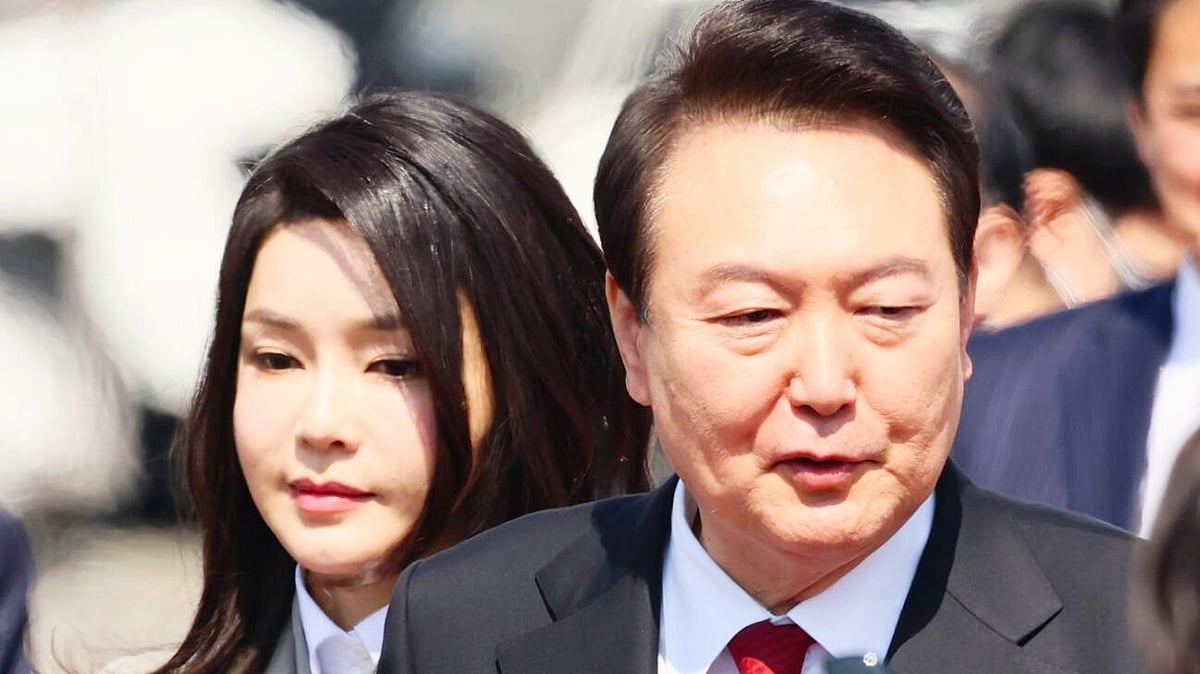
South Korean President Lee Jae-myung has instructed his administration to launch a comprehensive probe into alleged unlawful links between political figures and a religious organisation, his office announced on Wednesday. The directive comes as the country continues to reckon with the upheaval triggered by last year’s constitutional crisis and as questions mount over how money and influence have circulated through its political system.
Lee made clear that the inquiry must be applied uniformly, “no matter whether (a politician is from the) ruling or opposition party, a high or low position”, according to the presidential statement. Officials stopped short of identifying the religious group in question, but the order lands at a time when special prosecutors are already digging into suspected bribery networks and political interference spanning both the previous Yoon Suk-yeol era and earlier governments.
In a cabinet meeting broadcast live on Tuesday, Lee said he had tasked ministers with examining mechanisms to “disband religious groups that meddle in politics and do strange things with illegal funds”, while also seeking clarity on how South Korea’s dissolution procedures differ from Japan’s. His spokesperson later underlined that no specific organisation was being targeted by name.
Nonetheless, political analysts argued that the remarks unmistakably evoked the Unification Church. Its leader, Han Hak-ja, is currently facing trial over accusations that she provided illicit payments to former first lady Kim Keon-hee in exchange for political favours.
These allegations are now tangled with the raft of investigations launched after ousted president Yoon imposed martial law in December 2024. Han has consistently refuted the charges.
The scandal deepened this week after South Korean media reported claims from a former Unification Church official, who allegedly told a special prosecutor that certain lawmakers aligned with Lee’s ruling party had also received funding from the church.
The disclosures have inflamed partisan tensions, with critics accusing the government of selective outrage. According to Yonhap News Agency as cited in a Reuters report, police have been directed to scrutinise any interactions between ruling party figures and the organisation.
The Unification Church strongly rejected the widening allegations. “Our religious group has never colluded with political powers in an organised manner, nor have we ever attempted to gain benefits by supporting any particular political party,” it said in a statement issued on Wednesday.
The dispute unfolds against the backdrop of the church’s legal battle in Japan, where a Tokyo district court moved in March to dissolve the organisation following an official probe into its fundraising methods — a landmark decision now under appeal. The case is being watched closely in Seoul, where policymakers are weighing whether similar steps may be necessary as pressure grows to curb religious entities accused of political interference.
With agency inputs
Join our official telegram channel (@nationalherald) and stay updated with the latest headlines