World
Talks ended without deal due to ‘excessive demands’ made by US: Iran
Iran says talks cover nuclear programme, sanctions relief, war reparations, regional issues, and control of Strait of Hormuz
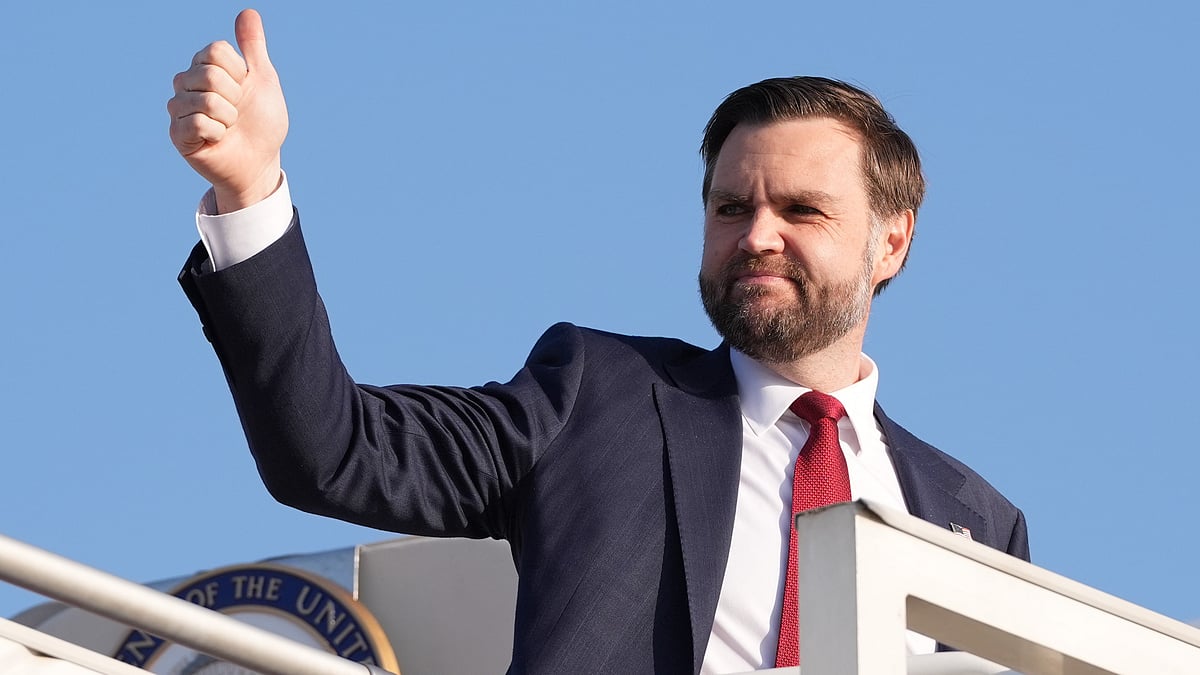
Talks between Iran and the United States in Pakistan ended without an agreement on Sunday, with Tehran blaming “excessive demands” by the American side even as both countries signalled that diplomatic efforts would continue.
Iranian foreign ministry spokesperson Esmaeil Baqaei said the negotiations failed to yield a deal despite some areas of convergence. “Finally, the talks did not reach an agreement,” he said, while stressing that “diplomacy never ends.”
Baqaei noted that while consensus was reached on certain issues, differences persisted over “two to three important matters”. He added that the intensive negotiations, mediated by Pakistan, involved multiple exchanges of messages and draft texts over nearly 24 hours.
According to the Iranian side, discussions covered a wide range of issues, including the nuclear programme, sanctions relief, war reparations, the situation in the region, and control of the Strait of Hormuz — a key global energy route.
He said the success of future talks would depend on “seriousness and good faith” from Washington, urging it to avoid “unlawful requests” and recognise Iran’s “legitimate rights and interests”. Baqaei also pointed out that the negotiations took place after 40 days of what he described as an “imposed war”, in an atmosphere of “mistrust and suspicion”.
“It is natural that we should not have expected… to reach an agreement within one meeting,” he said, adding that Iran remains wary given past “breaches of promise” by the US.
On the American side, vice-president J.D. Vance said the talks failed primarily because Iran did not agree to forgo its nuclear ambitions. He said Washington had presented its “final and best offer”, but Tehran chose not to accept it.
Pakistan, which hosted and mediated the talks, described the engagement as “intense and constructive”. Deputy prime pinister and foreign minister Ishaq Dar said Islamabad facilitated several rounds of discussions and would continue efforts to support dialogue between the two sides.
The Iranian delegation, led by speaker Mohammad Baqir Ghalibaf, arrived in Islamabad on Friday night, while the US delegation headed by Vance reached on Saturday morning. The meeting marked the first direct, high-level engagement between the two countries since the 1979 Islamic Revolution.
The talks followed weeks of heightened tensions after US and Israeli strikes on Iran on 28 February, which disrupted global energy markets and trade. Tehran had entered negotiations with a 10-point plan, including demands for sanctions relief, withdrawal of US forces from West Asia, and control over the Strait of Hormuz.
The failure to reach an agreement has raised concerns over the durability of the fragile ceasefire in place and cast uncertainty over efforts to stabilise the region and reopen critical energy routes.
With PTI inputs
Join our official telegram channel (@nationalherald) and stay updated with the latest headlines