World
Ted Turner, founder of CNN and pioneer of 24-hour television news, dies at 87
Media entrepreneur transformed global television journalism with launch of CNN in 1980; also known for philanthropy, environmental activism and sports ventures
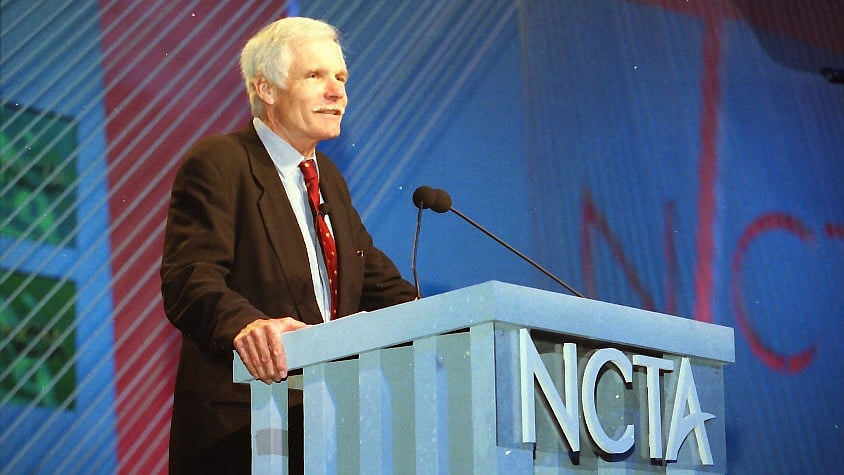
Ted Turner, the outspoken American media mogul who founded CNN and reshaped global television journalism through the world’s first 24-hour news channel, died peacefully on Wednesday surrounded by family members, according to a statement issued by Turner Enterprises. He was 87.
Turner, widely known as the architect of continuous television news coverage, launched CNN on 1 June 1980 despite widespread scepticism within the media industry. The network went on to revolutionise real-time broadcasting and became one of the most influential news organisations in the world.
Born in Cincinnati, Ohio, on 19 November 1938, Turner built a sprawling media empire that eventually included cable television networks, film libraries, sports franchises and international broadcasting ventures. His outspoken personality earned him the nickname “The Mouth of the South”.
CNN Worldwide chairman and chief executive Mark Thompson described Turner as the “presiding spirit” of CNN.
“Ted was an intensely involved and committed leader, intrepid, fearless and always willing to back a hunch and trust his own judgement,” Thompson said in a statement.
Turner is survived by his five children, 14 grandchildren and two great-grandchildren.
Built CNN into global news force
Turner entered the media business after taking charge of his father’s billboard company, Turner Outdoor Advertising, following his father’s death in 1963. He later acquired radio stations before moving into television broadcasting through the purchase of a struggling Atlanta television station in 1970.
In 1976, Turner transformed the station into cable television’s first “superstation” by transmitting its signal nationwide through satellite distribution. The move dramatically expanded his reach and laid the foundation for his larger ambitions in broadcasting.
He subsequently acquired the Atlanta Braves baseball team and the Atlanta Hawks basketball franchise, partly to secure long-term programming for his television operations.
Turner’s biggest gamble came with the launch of CNN, a dedicated round-the-clock news channel at a time when most television news was limited to scheduled evening bulletins. Critics initially dismissed the venture, but Turner argued there was a growing audience unable to watch traditional broadcasts due to work schedules.
CNN later expanded globally through the launch of CNN International in 1985 and additional networks such as Headline News, later known as HLN. Turner also expanded into entertainment broadcasting with channels including Turner Network Television, Turner Classic Movies and Cartoon Network.
Gulf War coverage established CNN’s dominance
CNN’s global influence expanded sharply during the 1990–91 Gulf War, when it became the first television network to broadcast live coverage from Baghdad during the conflict. The coverage established the network as a major international news platform and demonstrated the power of continuous live broadcasting.
In 1991, TIME named Turner its “Man of the Year”, citing his influence on global media and international communication.
In 1996, Turner sold his media empire to Time Warner in a deal valued at nearly USD 7.5 billion, though he continued to serve as vice-chairman for several years.
However, the later merger between Time Warner and AOL turned into one of the most criticised corporate mergers in US history after the collapse of the dot-com boom. Turner eventually resigned from the company in 2003 after losing operational influence and suffering major financial losses linked to declining stock valuations.
Personal struggles and philanthropy
Turner’s personal life was marked by multiple family tragedies, including the suicide of his father and the prolonged illness and death of his sister. Friends and associates often described those experiences as central to shaping his personality and relentless drive.
He married actor and activist Jane Fonda in 1991. The couple divorced after a decade together but remained close friends.
Beyond media, Turner became known internationally for philanthropy, environmental activism and wildlife conservation. In 1997, he pledged USD 1 billion to support United Nations-related initiatives and later established the United Nations Foundation.
He also founded organisations focused on nuclear disarmament, endangered species conservation and environmental education, including the Captain Planet Foundation.
Turner eventually became one of the largest private landowners in North America, owning vast ranch properties across several US states and Argentina. He also played a major role in reviving bison populations in the American west through one of the world’s largest private bison herds.
In 2018, Turner disclosed that he had been diagnosed with Lewy body dementia, a progressive neurological disorder. Earlier in 2025, he was hospitalised with pneumonia before later recovering at a rehabilitation facility.
Join our official telegram channel (@nationalherald) and stay updated with the latest headlines