World
Trump signals imminent Hormuz reopening as Iran-Oman talks advance
US president signals progress in Iran-Oman talks as shipping attacks continue and negotiations over the strategic waterway near conclusion
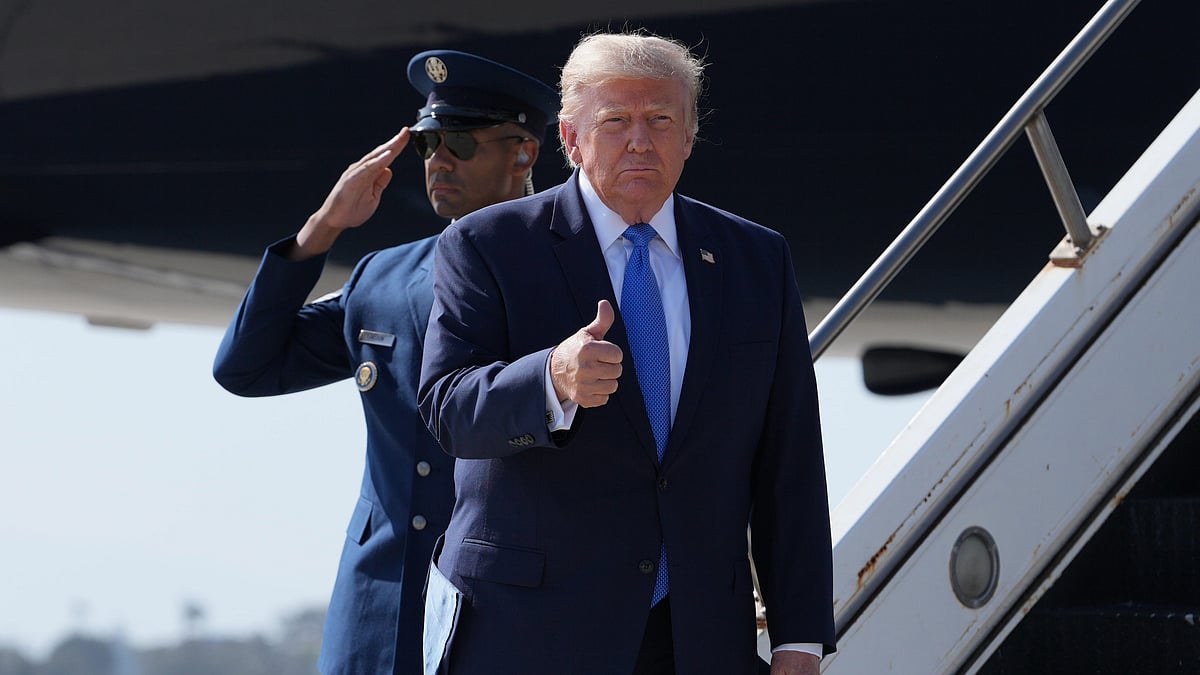
US President Donald Trump said a deal to reopen the Strait of Hormuz could be announced as early as Wednesday, signalling progress in negotiations involving Iran and Oman aimed at restoring shipping through one of the world's most critical energy corridors.
Speaking to reporters in California on Tuesday evening, Trump said an agreement could be reached "tomorrow or the next day" after being asked about reports that an announcement was imminent.
"It could happen. Tomorrow or the next day. A lot of progress has been made," Trump said.
The Strait of Hormuz, through which roughly one-fifth of the world's oil and natural gas trade previously passed, has remained largely closed since the conflict between the US, Israel and Iran escalated earlier this year. The disruption has driven up global fuel prices and increased pressure on supply chains.
Oil prices briefly eased following Trump's remarks before edging higher again. Brent crude was trading at around $80 a barrel on Wednesday, well below the peaks seen earlier during the conflict.
According to two regional officials familiar with the negotiations, the emerging proposal would allow ships entering the Persian Gulf to use an Iranian-controlled route and depart through a route managed by Oman. The arrangement would include service fees for maritime security and environmental protection.
The officials cautioned that negotiations remain ongoing and the final agreement could differ from the current proposal. They also said any deal could be linked to easing the US blockade on Iranian ports.
The Trump administration has previously opposed any arrangement that would effectively place the strategic waterway under Iranian control.
"I'm not going to let them charge. Anybody's going to charge, we'll charge," Trump said earlier this week, referring to reports that Iran could levy transit fees.
Iranian Foreign Ministry spokesperson Esmail Baghaei said discussions with Oman were focused on establishing secure shipping lanes that balanced sovereign rights with the security interests of both Iran and Oman. He said details would be announced once negotiations conclude.
US Secretary of State Marco Rubio also confirmed that progress had been made but stressed that no final agreement had yet been reached.
Despite the diplomatic momentum, attacks on commercial shipping continued across the region.
Iran-backed Houthi rebels claimed responsibility for firing ballistic missiles at a Saudi oil tanker, Wafa, in the Red Sea near the Saudi port of Yanbu. Saudi authorities did not immediately comment on the claim.
The Houthis have also declared the Bab el-Mandeb Strait closed to Saudi-linked shipping, adding further strain to maritime trade after the Strait of Hormuz disruptions.
Separately, an Indian-flagged commercial vessel sank off Yemen after being struck by an explosive-laden boat, with all crew members rescued. Earlier on Tuesday, another cargo ship reported being struck by an unidentified projectile near Oman's port of Al Khasab in the Strait of Hormuz.
The conflict began on February 28 after the US and Israel launched military operations against Iran, citing Tehran's nuclear programme and broader security concerns. Since then, disruption to maritime trade has become a central feature of the conflict, while Trump faces growing domestic pressure to bring the war to an end ahead of US midterm elections.
Separately, UN High Commissioner for Human Rights Volker Türk criticised Iran over a recent wave of executions, saying the use of capital punishment in the country remained deeply concerning.
Join our official telegram channel (@nationalherald) and stay updated with the latest headlines