World
Verify before alleging drone attack on Mecca, Iran and Houthis tell Riyadh
Fighting between Yemen and Saudi Arabia continues to rage as Houthis deny Mecca drone attack
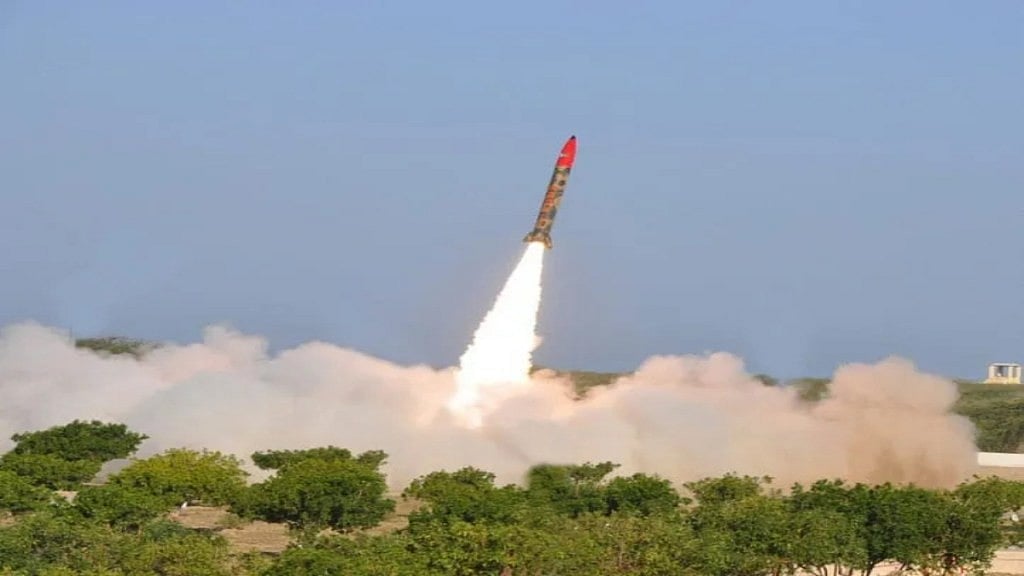
Saudi Arabia reportedly foiled a drone attack, fuelling anger and calls for retaliation against the Houthis
Clashes intensified around the strategic Kahbub mountains, alongside Saudi-led airstrikes in Taiz and Hajjah
Tehran cautioned against escalation and cited possible “false flag” operations, while Riyadh reportedly seeks air-defence support
Reports of a drone attack on Mecca foiled by Saudi Arabia have fuelled suspicion, anger and calls for retaliation against the Houthis. Saudi Arabia had bombed the airport at Sanaa, the capital city of Yemen, on 13 August 2026, triggering the current conflict. It provided Ansar Allah the justification for attacking Saudi Arabia with missiles and drones. Since then, Ansar Allah has freed the entire Red Sea coast in Yemen from armed groups backed by Saudi Arabia and United Arab Emirates.
The fighting, reports say, intensified on Thursday for control of the strategic mountain range that overlook the strait of Bab-al-Mandeb. The Saudi and UAE backed group known as the ‘Giants Brigade’ continues to control some of the peaks. Fully securing these mountains would allow Ansar Allah to conceal a variety of their short-range ballistic missiles, including anti-ship missiles with a maximum range of under 150km.
Saudi-led coalition warplanes struck three telecommunications towers in Yemen’s Taiz province while two more strikes were reported from Hajjah province, which killed at least one civilian and destroyed houses and vehicles. As fighting continued around the strategic Kahbub mountains overlooking the Bab al-Mandab Strait and Mayyun Island, the Saudi and UAE backed forces claimed they repelled Ansar Allah infiltration attempts, Al Jazeera reported.
Analysts believe that Ansar Allah deliberately attacking Islam’s holiest cities is incompatible with the Houthis who operate in the name of Islam, despite political and ideological differences with Saudi Arabia and UAE, both the countries backing armed groups challenging the Houthis’ control of Yemen, which is confined to North-East Yemen. The 10-year-old conflict has divided Yemen into three parts, each controlled by different groups. The Saudi-backed groups which occupied the Red Sea coast have largely retreated during the last one month although fighting continues in the mountain ranges.
Iran’s foreign ministry spokesman Esmaeil Baquaei in a statement on Thursday said, “The Islamic Republic of Iran emphasizes the necessity of preventing the politicization of the issue of Islamic sanctities and their security, and of not using it as a tool to incite strife and escalate regional tensions. Nor should we forget that our region has witnessed numerous instances of "false flag" operations, particularly in recent months, aimed at diverting public opinion from the crimes committed by the Zionist entity and the United States in the region,
and at sowing discord among Islamic countries,” while underlining that any aggression against Islamic holy cities, pilgrims and neighbours would invite condemnation.
Tehran’s statement, however, points to ‘false flag’ operations in the region in the past to divide the Islamic world and polarise Muslims between Shias and Sunnis. While Saudi Arabia has a predominant Sunni Muslim population, the Ansar Allah is made of entirely Shia Muslims. When Egyptian President Gamal Abdel Nasser established the Yemen Arab Republic and attempted to bring Yemen under his control, Saudi Arabia had strongly resisted it, organized a Zaydi movement against it, provided full support, and equipped it with all kinds of weapons and money. Today, that same Zaydi organization or movement is known as Ansar Allah and stands in opposition to the Saudis.
In the civil war between 1962-72, Saudi Arabia provided full financial, military, and logistical support to the loyal Zaydi royalist supporters of Imam Muhammad al-Badr. Hussein Badr al-Din al-Houthi, after whom the modern Houthi movement is named, was born in 1959. The modern movement, which is a continuation of the 1960s Zaydi movement, re-emerged under Hussein al-Houthi's leadership in the 1990s—three decades later—and was organised under the name Ansar Allah.
Talmiz Ahmad, the veteran Indian diplomat who has worked in Yemen and was India’s ambassador to Saudi Arabia, significantly said in a podcast to Parvaiz Alam in London, “no outsider who has gone to fight in Yemen has succeeded…Egyptian soldiers learned that in the civil war: thousands dead, then withdrawal. The mountains, the tribal map, the uncertainty over who is friend and who is enemy — no conventional force wins there.”
Saudi Arabia is running low on missile interceptors and has asked France, Britain, Pakistan, and Egypt to deploy air-defense support against Ansar Allah missiles and drones. AP reported that Riyadh sought assistance because the United States, its main arms supplier, has also seen its interceptor stockpiles dwindle during the six-month war with Iran.
Join our official telegram channel (@nationalherald) and stay updated with the latest headlines