World
West Asia on edge: Israel pounds Lebanon as Gulf waters simmer with threats
IRGC warns any attack on Iranian tankers or commercial ships will trigger strikes on US bases and “enemy vessels” in the region
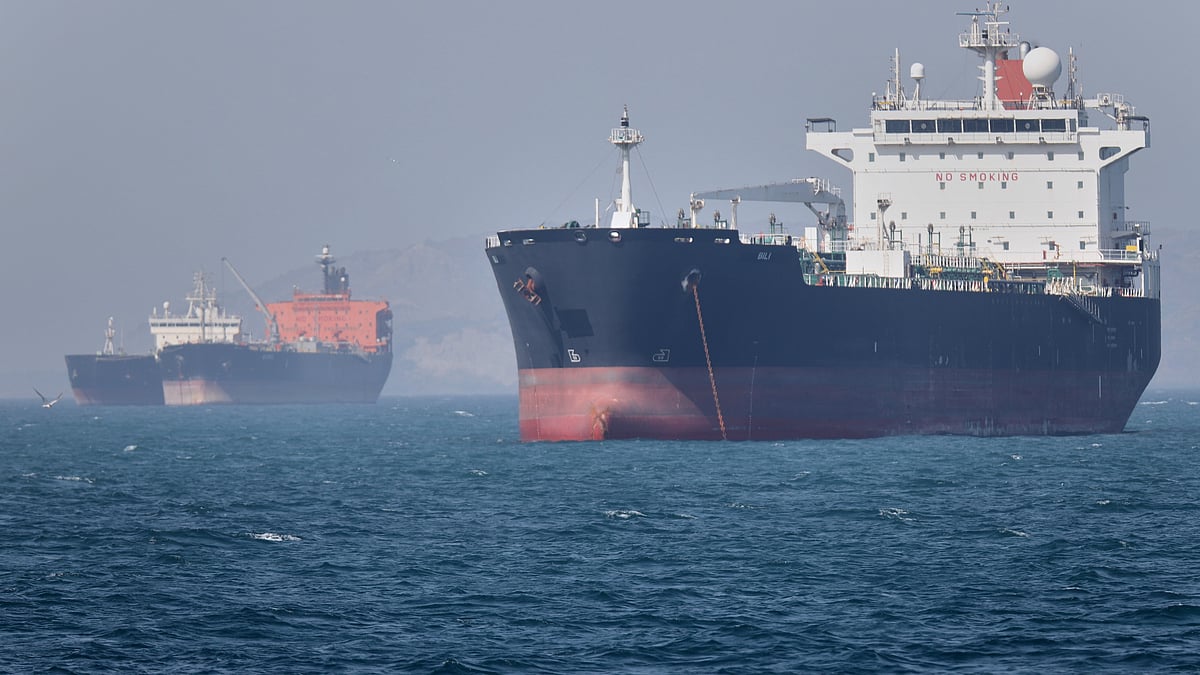
The shadow of conflict continues to darken West Asia, with violence intensifying across multiple fronts despite fragile diplomatic efforts to prevent a wider regional war.
Israel’s relentless bombardment of Lebanon showed no signs of easing on Saturday, as fresh strikes reportedly killed at least 24 people, deepening fears of further escalation along the volatile border, the Al Jazeera reported.
Meanwhile, the uneasy ceasefire between Iran and the United States continues to hold, though tensions remain dangerously high amid sporadic confrontations in the strategically crucial Strait of Hormuz — a key artery for global oil shipments.
In a sharp warning, Iran’s Islamic Revolutionary Guard Corps (IRGC) declared that any attack on Iranian oil tankers or commercial vessels would trigger retaliatory assaults on US military bases and what it termed “enemy ships” operating in the region, the Al Jazeera reported.
Despite the mounting rhetoric, Washington has signalled cautious optimism, saying it believes Tehran could respond positively to the latest American proposal aimed at ending hostilities and reviving negotiations.
At the same time, the US Central Command (CENTCOM) claimed it has “disabled” four vessels and blocked 58 commercial ships from entering or leaving Iranian ports since 13 April, underscoring the growing militarisation of Gulf waters.
As diplomacy struggles to keep pace with the spiralling tensions, the region remains perched on the edge, with every strike, warning and naval manoeuvre threatening to ignite a broader confrontation.
Join our official telegram channel (@nationalherald) and stay updated with the latest headlines