World
Xi Jinping chairs emergency meeting on Tibet-Nepal flood disaster
Chinese authorities order continued searches for missing nationals and foreigners as a newly formed barrier lake threatens downstream areas
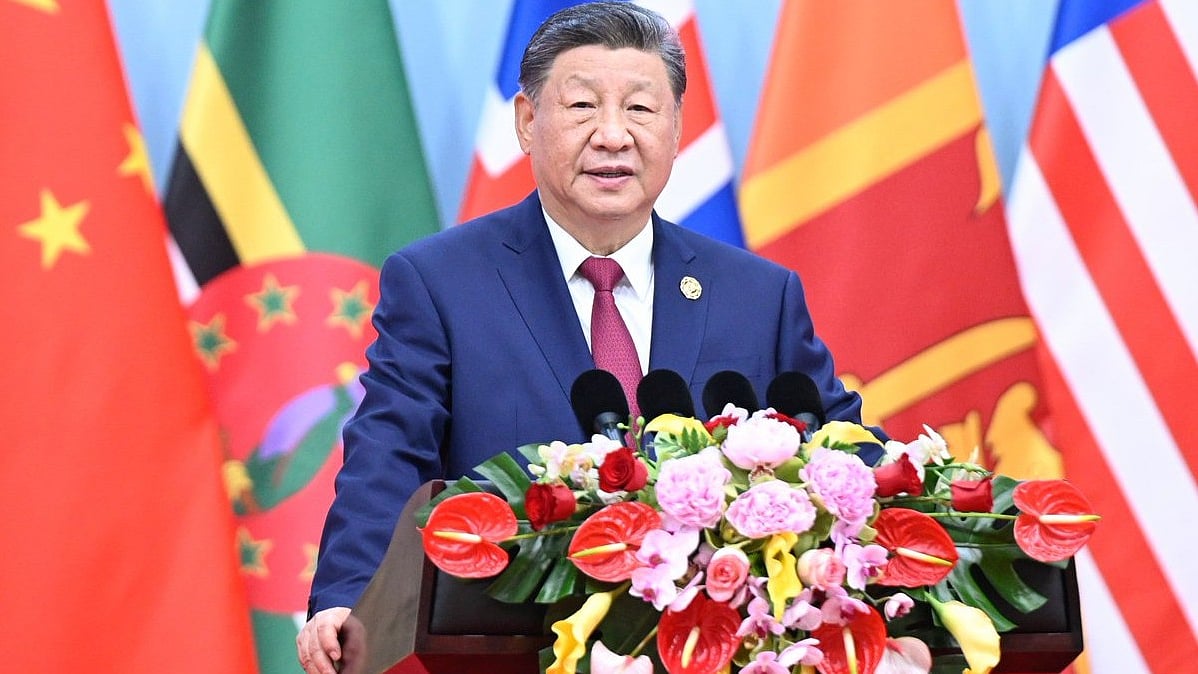
Chinese President Xi Jinping chaired a meeting of the ruling Communist Party on Friday to review rescue and relief operations following the devastating flash floods along the Tibet-Nepal border.
The meeting assessed the situation after floods struck Gyirong County in the Tibet Autonomous Region on Wednesday, killing hundreds across the border region and leaving many others missing.
Xi and other senior leaders observed a moment of silence for the victims at the start of the meeting, state-run Xinhua news agency reported.
Officials said emergency rescue operations had been launched swiftly and conducted in a coordinated manner. Efforts were also under way to relocate and provide assistance to people affected by the disaster.
The meeting called for scientifically planned search-and-rescue operations and directed authorities to make every effort to locate missing Chinese and foreign nationals.
The death toll in Nepal has risen to 469, while three people have been confirmed dead in Tibet. More than 550 people remain missing in Tibet, and about 100 Chinese nationals have yet to be traced in Nepal.
Chinese officials said around 1,000 people had been evacuated to safety, including 555 tourists. The nationalities of the tourists have not yet been disclosed.
Several Indian pilgrims undertaking the Kailash Mansarovar Yatra were also reportedly stranded after the floods disrupted roads and other infrastructure across the region.
Meanwhile, China has activated a Level-IV emergency response amid fears that a newly formed barrier lake could breach and inundate downstream areas.
The Ministry of Water Resources issued the alert on Thursday night over the lake, which formed near the confluence of the Chhochen Khola and Purepu Tsangpo rivers in Tibet.
Both rivers originate in Tibet and flow towards Nepal as part of the Bhote Koshi river system. Authorities have warned that a failure of the natural barrier could send another surge of water downstream.
China’s natural disaster emergency response mechanism has four levels, with Level-I representing the most severe response and Level-IV the lowest.
With PTI inputs
Join our official telegram channel (@nationalherald) and stay updated with the latest headlines