Nation
Amid students protests, Delhi extends police's NSA detention powers
Police say quarterly renewal was approved before the CJP protests and dismiss claims that the move is linked to the ongoing student agitation
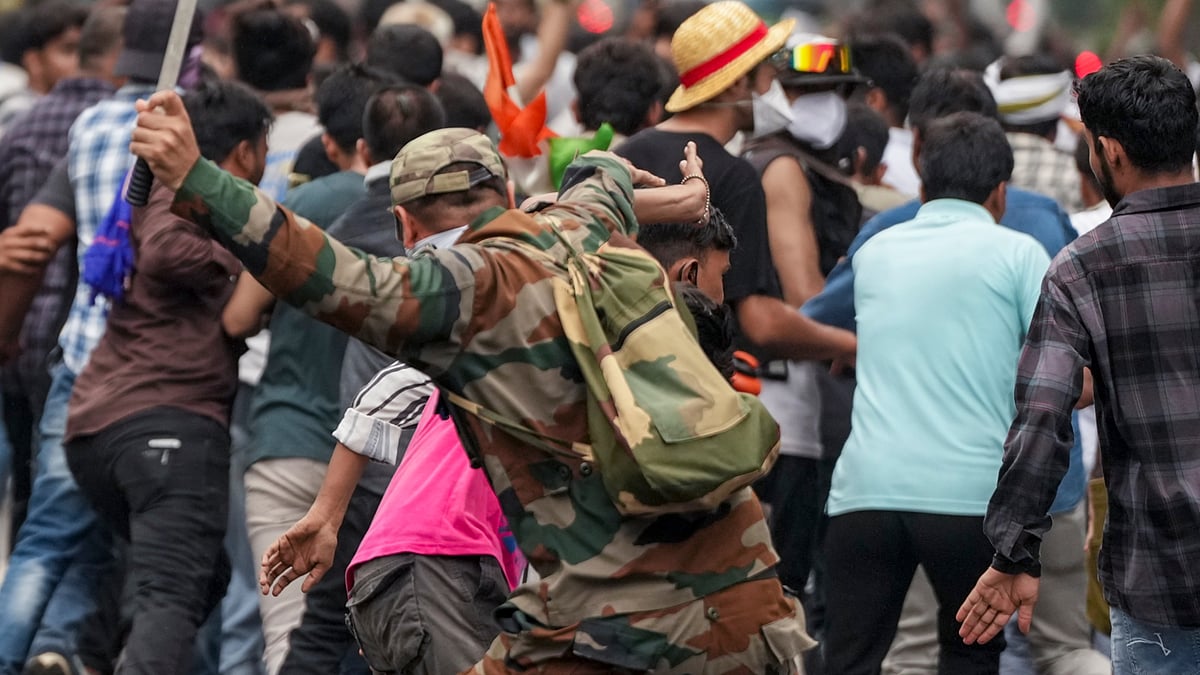
Delhi Lieutenant Governor V.K. Saxena has extended the Delhi Police Commissioner's powers of preventive detention under the National Security Act (NSA) till 18 October, with the police clarifying that the move is a routine administrative exercise unrelated to the ongoing Cockroach Janta Party (CJP)-led protests.
The extension, notified by the Delhi government's Home Department on 15 July, authorises the Police Commissioner to exercise powers under Section 3(2) of the NSA until 18 October.
The clarification comes amid speculation that the extension was intended to deal with the student protests, which began at Jantar Mantar on 20 June over the alleged NEET paper leak and demands for Union Education Minister Dharmendra Pradhan's resignation.
On 20 July, the CJP's "Chalo Sansad" march turned violent after thousands of protesters attempted to march towards Parliament, leaving several protesters and police personnel injured.
In a statement, Delhi Police rejected reports linking the NSA extension to the agitation.
"It is clarified that the said order is a routine extension/renewal of powers under the NSA, which is issued every three months," the police said.
It added that the current renewal was approved on 7 July for the period from 19 July to 18 October, before the escalation of the CJP protests.
"No specific request was made in the present context. The renewal is a routine administrative exercise and has been interpreted out of context by certain media reports," the statement said.
A Delhi government official also said the powers have been delegated to the Delhi Police Commissioner since the 1980s and are routinely renewed every quarter.
The National Security Act empowers the Centre and state governments to order preventive detention to stop individuals from acting in a manner considered prejudicial to the defence of India, national security or public order.
Detention under the Act can range from three months to one year and, unlike a regular arrest, does not require the detainee to be produced before a court immediately. The detention is subject to review by an advisory board headed by a former High Court judge.
Join our official telegram channel (@nationalherald) and stay updated with the latest headlines