Nation
Andhra stares at mounting water crisis as reservoirs run perilously low
As the kharif season begins, state's dwindling water reserves are raising alarm among officials and farmers
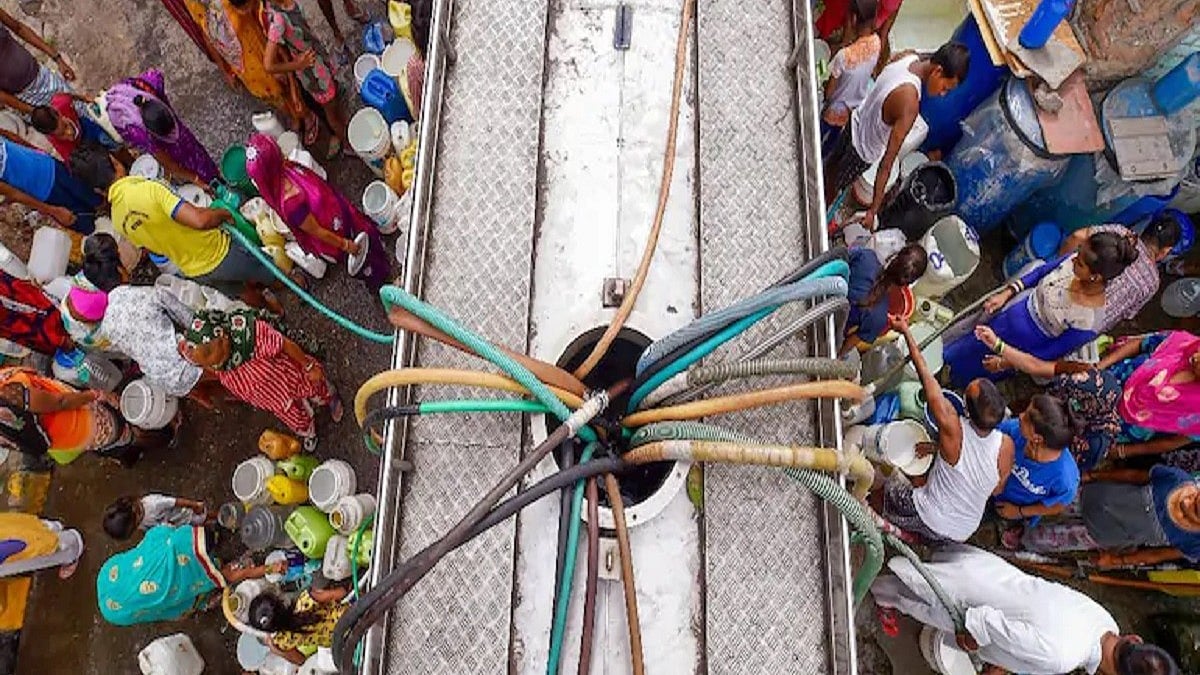
A deepening water crisis is casting a long shadow over Andhra Pradesh, where shrinking reservoir levels and a faltering southwest monsoon are threatening to disrupt both drinking water supplies and agricultural activity.
As the kharif season gathers momentum, the state's rapidly depleting water reserves have triggered alarm among officials, farmers and water management experts alike, The Times of India reported.
The prolonged dry spell, coupled with weak monsoon inflows, has left several of Andhra Pradesh's key reservoirs struggling to replenish, forcing the government to prioritise drinking water while scaling back irrigation releases in a bid to conserve the state's dwindling reserves.
According to data from the Water Resources Department, the state's major reservoirs have received a meagre 13.33 thousand million cubic feet (tmcft) of inflows so far, while 96.31 tmcft has already been released to meet drinking water and irrigation requirements. Live storage currently stands at just 221.03 tmcft, significantly below the seasonal average, raising fears that the crisis could deepen if rainfall remains deficient in the coming weeks.
The situation has turned particularly precarious across Kurnool, Nandyal, Anantapur, Kadapa, Sri Sathya Sai, Annamayya, Krishna, Guntur and Prakasam districts, where several reservoirs are hovering dangerously close to dead storage levels. Authorities have begun rationing available water by restricting irrigation releases while ensuring that drinking water supplies remain protected.
For thousands of farmers awaiting dependable monsoon rains, the drying reservoirs have become a source of mounting anxiety. Many fear that inadequate water availability could delay sowing, reduce cultivated acreage and dent agricultural output during the crucial kharif season, dealing another blow to rural livelihoods already grappling with erratic weather patterns.
Experts caution that unless the southwest monsoon stages a strong recovery soon, Andhra Pradesh could face not only an acute water shortage but also far-reaching economic consequences, particularly in its agriculture-dependent districts.
The unfolding crisis has once again highlighted the state's growing vulnerability to climate variability and uneven rainfall. Water management experts have called for more judicious reservoir operations, efficient irrigation practices and sustained investments in rainwater harvesting and long-term conservation measures to build resilience against recurring droughts.
With every passing day of sparse rainfall, Andhra Pradesh finds itself walking an increasingly fragile line — striving to secure drinking water for millions while preserving enough reserves to sustain the fields that underpin the state's agrarian economy.
Join our official telegram channel (@nationalherald) and stay updated with the latest headlines