Nation
Bhutan GLOF sparks flood alert in Bengal, Assam; authorities on high vigilance
Alipurduar, Cooch Behar, Jalpaiguri and Assam’s Dhubri are on alert, with residents near vulnerable riverbanks advised to move to safety
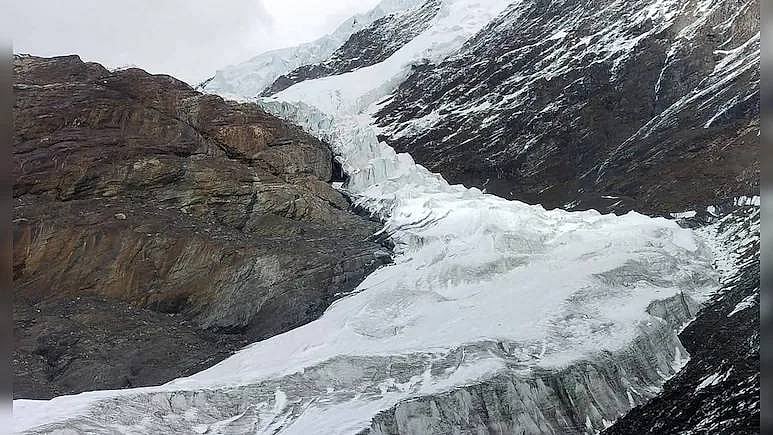
A GLOF at Bhutan’s Shintaphu Lake has triggered flood alerts in parts of West Bengal and Assam, with damage reported to roads and bridges in Bhutan
Alipurduar, Cooch Behar, Jalpaiguri and Assam’s Dhubri are on alert, with residents near vulnerable riverbanks advised to move to safety
Disaster response teams and river-monitoring agencies in both countries are tracking water levels amid fears of downstream flooding
A glacial lake outburst flood (GLOF) in Bhutan's Gasa district has raised fears of possible flooding in parts of West Bengal and Assam, prompting authorities to sound alerts, intensify river monitoring and issue precautionary advisories to people living along vulnerable riverbanks.
The outburst was reported at Shintaphu Lake, also spelt Sintaphu, near Wakila Mountain in northwestern Bhutan on Thursday evening. The sudden release of a massive volume of water surged through the Mo Chhu river system, raising concerns over a possible rise in water levels along the Sankosh River and its adjoining catchment areas in India.
The floodwaters reportedly swept through Srigang in Kabesa Gewog, around eight kilometres from Punakha Dzong. The surge left a trail of damage, affecting infrastructure at Gasa Tshachu, a popular hot spring destination, and covering a stretch of the Punakha-Gasa Highway with debris. Two Bailey bridges were also reportedly washed away. No casualties have been reported, as residents in the affected areas were evacuated ahead of the floodwaters.
In West Bengal, authorities have placed Alipurduar, Cooch Behar and Jalpaiguri under close watch as concerns grow over the possible impact on downstream areas. Residents living along the Sankosh River, particularly in vulnerable pockets of Kumargram and neighbouring localities, have been advised to move to safer locations as a precaution.
West Bengal Forest Minister Manoj Kumar Oraon urged people living near the river to remain vigilant and cooperate with the administration. Darjeeling MP Raju Bista also appealed to residents across the hills, Terai and Dooars to exercise caution, particularly those living in the Sankosh catchment and along its tributaries.
Meanwhile, disaster response personnel have been deployed in vulnerable locations, including Tufanganj and Boxirhat in Cooch Behar. The Central Water Commission has directed its monitoring stations at Barobisha, Sankosh LRP, Golakganj and Baladoba to keep a close watch on river levels and promptly report any significant changes.
In Assam, Dhubri and other vulnerable districts have also been placed on alert amid concerns over a possible rise in downstream water levels. Residents in areas close to riverbanks have been advised to remain alert and follow official instructions.
Across the border, Bhutan's National Centre for Hydrology and Meteorology is closely monitoring water levels along the Mo Chhu at Tashithang and Yebesa. Warning sirens have been activated in vulnerable locations to alert communities about the approaching floodwaters.
While the immediate damage in Bhutan has been reported, the extent of the potential impact downstream in India remains uncertain. Authorities on both sides of the border are continuing to monitor the situation as precautionary measures remain in place.
With agency inputs
Join our official telegram channel (@nationalherald) and stay updated with the latest headlines