Nation
Cauvery water dispute intensifies as TN CM flags violations in Mekedatu project
The long standing controversy deepens political stakes for Tamil Nadu’s ruling TVK-Congress alliance amid escalating tensions over water sharing dispute with Karnataka
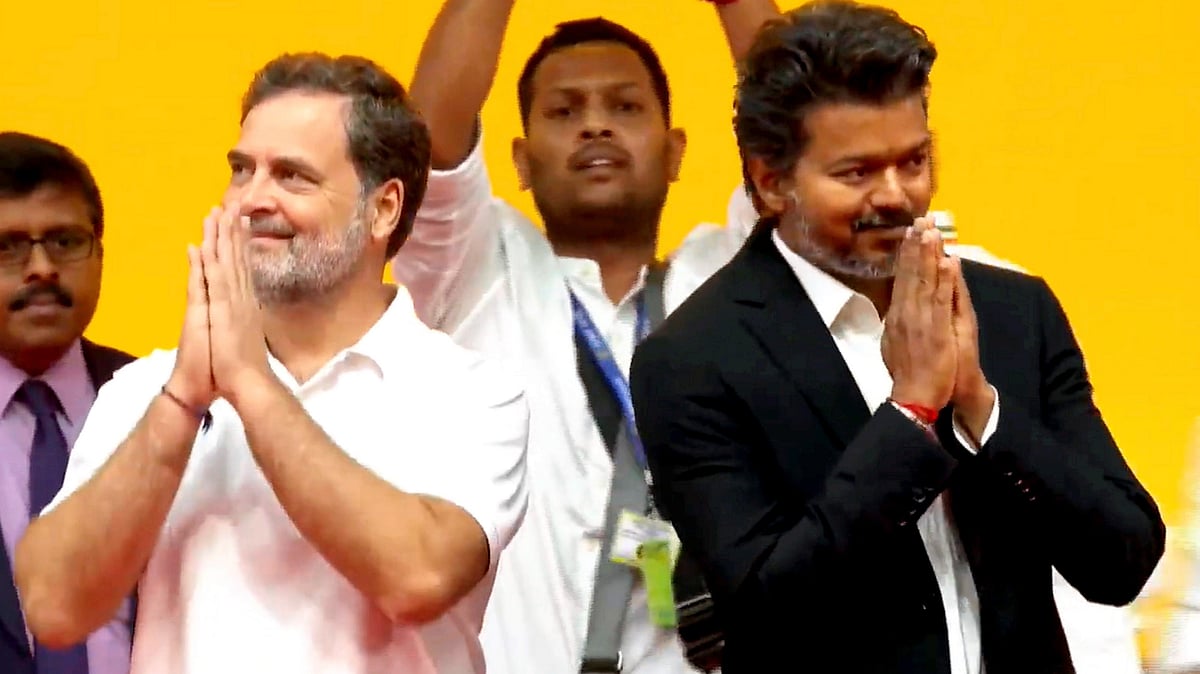
Tamil Nadu Chief Minister C. Joseph Vijay has formally urged Prime Minister Narendra Modi to reject the Detailed Project Report (DPR) by Karnataka for the Mekedatu reservoir project on the Cauvery river, underscoring significant legal and environmental concerns.
In a letter dated 26 May, Vijay expressed surprise that the Ministry of Jal Shakti and the Central Water Commission (CWC) were entertaining Karnataka’s proposal without adequately considering Tamil Nadu’s objections.
The Mekedatu project, according to the Tamil Nadu CM, blatantly violates the final award of the Cauvery Water Disputes Tribunal (CWDT) as well as the Supreme Court judgment dated 16 February 2018. Vijay emphasised that these legal decisions have been painstakingly implemented over the last few years following a long legal battle spanning about three decades.
The Mekedatu reservoir is not among the projects permitted by the tribunal, and since the Cauvery basin has already been classified as a deficit basin with its water allocations fully exhausted, there is “no scope for additional utilisation or for creating a huge storage reservoir.”
Vijay specifically pointed out that the proposed reservoir, with a storage capacity of 67.16 TMC, would be constructed just upstream of the Karnataka-Tamil Nadu border. This threatens Tamil Nadu’s water share by impacting the flows generated in the uncontrolled catchment area—one of the three sources of flows that the Tribunal has mandated must be maintained for Tamil Nadu’s benefit. “Tamil Nadu is of the firm view that by proposing a new Mekedatu Project… Karnataka is attempting to prevent the flows generated in the uncontrolled catchment,” Vijay wrote.
Further stressing the legal dimension, the Chief Minister reminded that the Supreme Court has clearly ruled that the upper riparian state (Karnataka) “shall not take any action so as to affect the scheduled deliveries of water to the lower riparian state” (Tamil Nadu). Consequently, proceeding with a new reservoir is “a clear violation of the said judgment.”
Vijay also raised environmental law concerns, claiming that Karnataka’s push to proceed with Mekedatu amounted to a “blatant violation of the existing environmental laws.”
In view of these serious apprehensions, the CM requested Prime Minister Modi to instruct the Ministry of Jal Shakti and the Central Water Commission to reject Karnataka’s DPR. He also appealed that Karnataka be advised not to commence any new projects without the “concurrence of co-basin states” and cautioned against violating the apex court’s verdict.
The controversy over Mekedatu bears political implications within Tamil Nadu, particularly for the coalition between Vijay’s party and the Congress. The issue stokes regional sentiment and farmer concerns, which can influence voter perceptions and affect the cohesion of the TVK-Congress alliance. By taking a strong stand against Karnataka’s project, Vijay positions the alliance as a defender of Tamil Nadu’s water rights and rural livelihoods, potentially consolidating their support base ahead of future polls.
The Mekedatu dispute highlights the sensitive dynamics of inter-state water sharing, judicial authority, and environmental governance—areas where legal compliance and political consensus must align to ensure equitable resource distribution and maintain regional stability.
(With agency inputs)
Join our official telegram channel (@nationalherald) and stay updated with the latest headlines