Nation
Congress raises fresh concerns over Great Nicobar project’s ecological impact
Former environment minister Jairam Ramesh says project is largely commercial in nature and threatens island’s fragile ecosystem
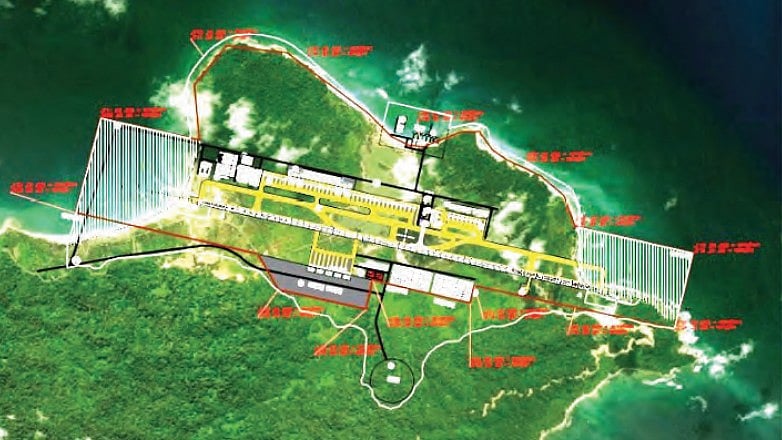
Senior Congress leader Jairam Ramesh has intensified his criticism of the proposed Great Nicobar Island development project, alleging that the initiative, as currently conceived, is primarily a commercial venture that poses serious risks to one of India's most ecologically sensitive regions.
In a letter to Union environment minister Bhupender Yadav, Ramesh challenged the basis on which environmental clearances were granted for the project and questioned the adequacy of studies undertaken to assess its ecological impact.
Responding to Yadav's recent communication on the issue, the former environment minister argued that the environmental impact assessment process had relied on limited data collection and failed to meet the standards required for a project of such scale and significance.
Ramesh contended that historical datasets and secondary information cited by government agencies could not replace project-specific field studies conducted at the site. According to him, primary data collection across different seasons is essential to understand the full ecological consequences of a project located in a biodiversity-rich island ecosystem.
The Congress leader also referred to previous rulings of the National Green Tribunal (NGT), arguing that they had identified deficiencies in the environmental clearance process and called for further examination of key issues.
A major point of contention raised by Ramesh relates to Galathea Bay, where port-related infrastructure has been proposed as part of the wider development plan.
Citing findings from studies conducted by the Indian Space Research Organisation's Space Applications Centre, he claimed that sections of the bay's eastern shoreline show evidence of erosion, warranting more extensive environmental investigations before any large-scale construction is undertaken.
He further argued that existing guidelines governing port projects in island territories require comprehensive environmental impact assessments, including modelling and seasonal studies, and questioned whether these requirements had been fully complied with in the case of the Great Nicobar project.
Seeking greater public disclosure, the Congress leader called on the government to release the report of the High-Powered Committee that reviewed the project. He questioned why aspects of the re-examination process had remained confidential despite project documents and planning records being available in the public domain.
The former minister further argued that the government's justification for the project has increasingly shifted from development objectives to strategic and national security considerations. He suggested that India's strategic interests in the region could be strengthened through the expansion of existing defence infrastructure, including INS Baaz and other facilities under the Andaman and Nicobar Command, rather than through the current development model.
Describing the project as "overwhelmingly a commercial enterprise", Ramesh maintained that its ecological costs could be substantial and urged the government to undertake a more rigorous and transparent review before proceeding further.
The Great Nicobar Island project has remained a subject of intense debate, with supporters highlighting its economic and strategic importance, while environmental groups and opposition leaders continue to warn about its potential impact on biodiversity, coastal ecosystems and indigenous habitats.
With PTI inputs
Join our official telegram channel (@nationalherald) and stay updated with the latest headlines