Nation
Delhi HC sets aside sexual harassment inquiry findings against former TERI chief Pachauri
Court refers the complaint to the district panel to assess whether proceedings can continue after Pachauri’s death
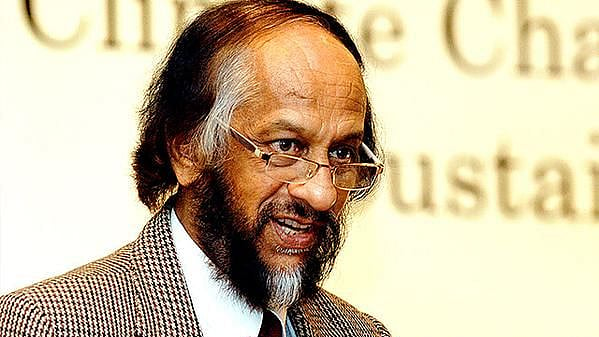
The Delhi High Court has quashed the 2015 internal complaints committee report against former TERI chief R.K. Pachauri and a 2023 Industrial Tribunal ruling upholding its findings
The court held that the complaint should have been examined by the district-level local committee under the POSH Act
The local committee will have to determine the feasibility of further proceedings following Pachauri’s death in February 2020
The Delhi High Court has set aside the findings of an internal inquiry that held former Energy and Resources Institute (TERI) director general R.K. Pachauri guilty of sexual harassment, ruling that the committee lacked jurisdiction to examine the complaint.
Justice Amit Mahajan also quashed the Industrial Tribunal’s July 2023 judgement upholding the inquiry findings and referred the matter to the competent district-level local committee for fresh consideration.
The order, passed on 17 November, was uploaded to the high court’s website on Monday night.
The court said the local committee would have to independently assess the complaint and available evidence, besides determining the legal implications of Pachauri’s death on the maintainability and feasibility of further proceedings.
Jurisdiction under the POSH Act
The case centred on whether TERI’s internal complaints committee (ICC) had the statutory authority to investigate allegations against the organisation’s director general.
The high court held that Section 6(1) of the Sexual Harassment of Women at Workplace (Prevention, Prohibition and Redressal) Act, commonly known as the POSH Act, requires complaints against an employer to be examined by a district-level local committee.
Since Pachauri headed TERI at the time of the complaint, he qualified as an employer under the legislation, the court observed.
The court directed the local committee to follow the prescribed legal procedure and principles of natural justice while reconsidering the matter.
Court stresses procedural fairness
Advocate Ashish Dixit, appearing on behalf of Pachauri’s legal representatives, argued that the internal committee had examined witnesses without providing their statements to Pachauri or allowing him an opportunity to cross-examine them.
The complainant’s counsel maintained that, given the sensitive nature of sexual harassment proceedings, cross-examination could not be claimed as an absolute right.
The high court acknowledged that cross-examination was neither an absolute entitlement nor a mandatory requirement in every sexual harassment inquiry. However, it observed that when adverse findings relied substantially on witness statements or documentary evidence, the person facing the complaint must receive a fair opportunity to examine and rebut such material.
Background to the case
The case dates back to February 2015, when a former TERI employee accused Pachauri of sexual harassment. An internal inquiry concluded in May that year that he was guilty of sexual harassment.
Pachauri consistently denied the allegations and challenged the committee’s findings before the Industrial Tribunal. Following his death in February 2020, his legal representatives pursued the challenge before the high court after the tribunal upheld the findings in July 2023.
The complainant, who was 29 at the time, subsequently resigned from TERI, citing mistreatment by the organisation. TERI rejected her claims.
Delhi Police had also registered a criminal case against Pachauri in February 2015 under various provisions of the Indian Penal Code relating to sexual harassment, molestation, stalking and criminal intimidation.
He was granted anticipatory bail in March 2015 and regular bail in July 2016. Police subsequently filed a chargesheet against him.
The high court’s latest ruling concerns the validity and procedure of the workplace inquiry. The complaint has been referred for fresh consideration, subject to the local committee’s assessment of whether proceedings remain legally maintainable following Pachauri’s death.
With PTI inputs
Join our official telegram channel (@nationalherald) and stay updated with the latest headlines