Nation
Delhi-NCR commuters face chaos after three-day strike call from 21 May by transport unions
Truckers warn of an indefinite shutdown if the government does not address concerns over ECC and proposed ban on BS-IV commercial vehicles
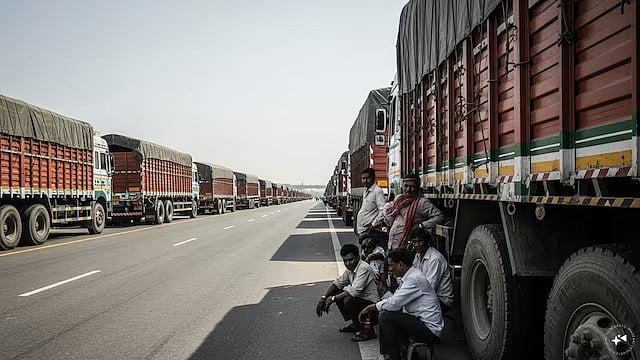
Commuters and supply chains across Delhi-NCR may face major disruption from 21 May as transporters, auto-rickshaw drivers and taxi unions prepare for a coordinated three-day strike against rising operational costs and government policies. Supply of essential items, including milk, fruits and vegetables is likely to be hit.
While the All India Motor Transport Congress (AIMTC) has called a shutdown over the hike in environment compensation cess (ECC) and the proposed ban on BS-IV commercial vehicles, auto and taxi unions are also set to stay off roads over long-pending demands related to permits, fares and regulatory policies.
The AIMTC said more than 68 transport unions in Delhi-NCR would suspend operations from Thursday, 21 May. The body, which claims to represent 95 lakh truckers and 26 lakh bus, taxi and maxi cab operators nationwide, described the measures as “unjust and unfair policies” imposed by the Commission for Air Quality Management (CAQM), courts and the Delhi government.
The protest comes amid growing tensions between transport operators and authorities over pollution-control measures in the National Capital Region. Last month, the Delhi government increased ECC rates on commercial vehicles by more than 50 per cent and introduced a 5 per cent annual fee hike.
Under the revised rates effective from 19 April, the fee for light commercial vehicles and two-axle trucks was raised from Rs 1,400 to Rs 2,000, while charges for three-axle and heavier trucks increased from Rs 2,600 to Rs 4,000.
Transporters are also opposing the CAQM proposal to ban the entry of BS-IV and older commercial vehicles into Delhi-NCR from 1 November 2026. The pollution watchdog has argued that the move is aimed at discouraging older vehicles from using Delhi as a transit corridor and diverting traffic to peripheral expressways.
AIMTC, however, said the proposed restrictions “lack scientific and legal rationale”. It argued that ECC was being imposed indiscriminately on all goods vehicles entering Delhi, including those carrying essential commodities and even empty trucks arriving for loading.
It further pointed out that ECC is also being levied on BS-VI vehicles, which are otherwise permitted even during stricter pollution-control measures under the Graded Response Action Plan (GRAP-IV).
“The three-day strike call is symbolic, but in the absence of a timely resolution, the discontent and agitation among the transport fraternity may escalate into an indefinite suspension of transport operations in Delhi-NCR,” the AIMTC said.
The organisation also questioned the utilisation of ECC funds, claiming that despite substantial collections since 2015, air quality in Delhi had shown little improvement.
Join our official telegram channel (@nationalherald) and stay updated with the latest headlines